
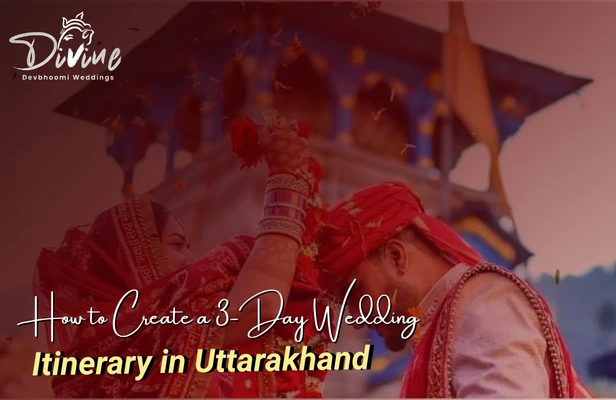
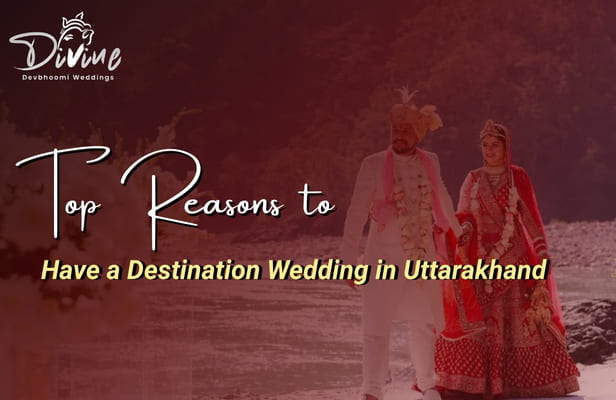
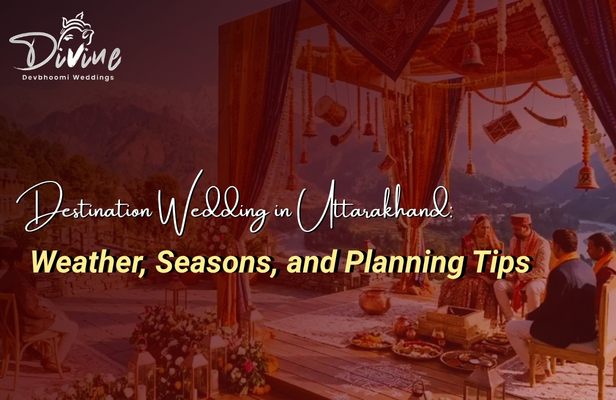
Planning an Uttarakhand Destination Wedding means working with mountains, weather, and travel logistics that a city wedding never has to consider. That is exactly why the state has become one of North India's most sought-after wedding destinations — couples get pine-covered hillsides, quiet river valleys, and centuries-old temples as a backdrop, all within a few hours of Delhi. A 3-day format has become the standard for a reason: it gives enough time for a proper welcome, a full slate of pre-wedding functions, and the main ceremony, without turning the celebration into a rushed, single-day event. This guide walks through exactly how to build that itinerary — day by day, function by function — so guests feel looked after and the couple gets to actually enjoy their own wedding.
Uttarakhand offers a combination that is hard to find elsewhere in North India: genuine Himalayan scenery, a strong spiritual and cultural identity, and enough infrastructure to host a large wedding comfortably. Towns like Rishikesh, Dehradun, Mussoorie, Nainital, and Jim Corbett all sit within easy reach of major cities, so guests are not looking at a punishing journey to attend. At the same time, the region's temples, riverside ghats, and mountain resorts give a wedding a sense of occasion that a banquet hall simply cannot replicate.
A well-structured Uttarakhand Destination Wedding also opens the door to experiences beyond the ceremony itself — sightseeing, short treks, river-side breakfasts, or a quiet morning at a temple — that guests remember long after the event. Key advantages include:
Before locking in a day-by-day schedule, a few foundational decisions need to be made. Getting these right early prevents most of the last-minute scrambling that derails destination weddings.
The venue decision shapes everything else. Look closely at the location relative to airports and railway stations, total guest capacity, on-site accommodation, and whether the property has both banquet and lawn space. Mountain weather can turn quickly, so confirm there is a proper indoor backup for every outdoor function, and check how easily the property can be reached by the vehicles you plan to use.
Guest count is the single biggest variable in a destination wedding budget. It directly affects how many rooms need to be blocked, how catering is priced, how many vehicles are required for transfers, what size venue makes sense, and how decor and overall budget get allocated. Finalizing this list early makes every other booking easier.
A common mistake is stacking too many major events into a single day. Spreading Mehendi, Haldi, Sangeet, and the wedding ceremony across three days keeps energy levels manageable for both guests and the couple, and gives vendors realistic setup and breakdown time between functions.
Transportation needs to be mapped out before invitations go out. This includes:
A destination wedding is also a mini-trip for most guests. Building in a little unstructured time for local sightseeing, a nearby temple visit, a short nature walk, or an evening bonfire turns the weekend into an experience rather than a checklist of ceremonies.
|
Day |
Morning |
Afternoon |
Evening |
Main Purpose |
|
Day 1 |
Guest arrivals |
Check-in & welcome lunch |
Welcome dinner / Mehendi |
Guest welcome |
|
Day 2 |
Haldi |
Rest & preparations |
Sangeet / Cocktail |
Pre-wedding celebration |
|
Day 3 |
Wedding preparations |
Main wedding ceremony |
Reception / Farewell |
Wedding & departure |
This structure is a starting point rather than a fixed template — it can flex around the venue, the season, and the couple's own priorities, but it works well as a default because it spaces out the heaviest events.
The first day should stay relatively light. Many guests will have travelled several hours, and a packed schedule right off the bat tends to backfire. Mornings are for airport or railway pickups, welcome drinks, and check-in with proper room allocation. In the afternoon, a relaxed welcome lunch gives guests time to settle in before optional local activities and Mehendi setup begins. By evening, the Mehendi celebration doubles as an informal welcome dinner — a good moment for family introductions and light entertainment, without the pressure of a full-scale event.
Day two carries most of the pre-wedding energy. The Haldi ceremony works best in the morning, with traditional decor, fresh floral arrangements, and full family participation — this is also when photographers typically get some of their best candid shots. The afternoon is deliberately left lighter, giving the bride and groom time to prepare and the venue team time to complete sound and lighting checks for the evening. The Sangeet itself should include a proper couple entry, family performances, music, and dinner. In a mountain venue, sound and temperature need extra attention — evenings can get cool quickly, so heating arrangements or shawls for guests are worth planning for.
The final day needs the most buffer time, since traditional Hindu wedding ceremonies often run longer than scheduled. Mornings should allow for an unhurried breakfast, bridal and groom preparation, and final decor touches ahead of the Baraat. The ceremony itself — Baraat, Jai Mala, Pheras, Kanyadaan, and blessings — typically takes up the bulk of the afternoon. In the evening, the reception brings the celebration to a close with couple photographs, dinner, and a proper farewell before guests begin their departure.
Rather than naming specific properties, it helps to think in terms of venue categories, since the right fit depends heavily on guest count and the kind of wedding being planned.
Well suited to large guest groups, multi-function celebrations, premium accommodation, and a mix of indoor and outdoor event spaces.
Ideal for scenic weddings, smaller and more intimate celebrations, and couples who want strong destination-photography backdrops.
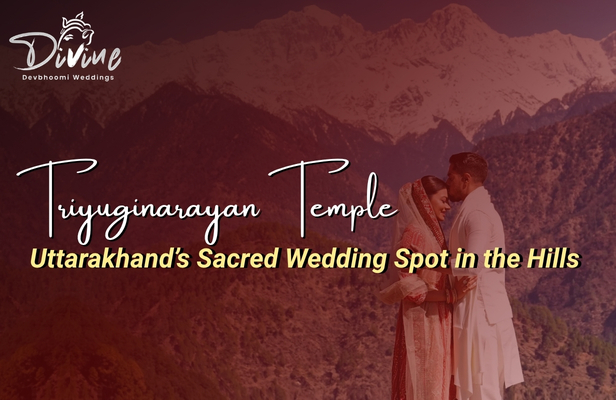
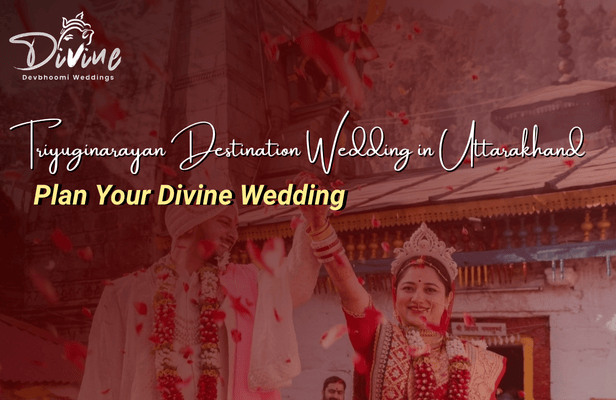
A natural fit for traditional Hindu ceremonies, spiritually-themed weddings, and close-knit family celebrations.
Best for smaller guest lists and couples looking for a personalized, private wedding experience away from larger crowds.
Whatever category is chosen, it is worth shortlisting Uttarakhand Wedding Venues early, since the best dates at popular properties get booked months in advance.
Most properties and planners offer bundled Uttarakhand Wedding Packages, but the inclusions vary widely. A complete package typically covers venue, rooms, meals, wedding decor, catering, photography, videography, transportation, entertainment, makeup, Mehendi, guest hospitality, and event coordination.
Before signing anything, confirm the following:
Total cost varies significantly based on guest count, venue choice, number of rooms booked, wedding dates, food menu, decor complexity, photography team size, transportation distance, and overall luxury level. Rather than fixed figures, it is more useful to think in relative budget bands across categories:
|
Expense |
Budget Level |
What Influences Cost |
|
Venue |
₹₹–₹₹₹ |
Property & season |
|
Accommodation |
₹₹–₹₹₹ |
Room category & nights |
|
Catering |
₹₹–₹₹₹ |
Menu & guest count |
|
Decor |
₹₹–₹₹₹ |
Theme & floral requirements |
|
Photography |
₹₹–₹₹₹ |
Team & coverage |
|
Transportation |
₹–₹₹₹ |
Distance & vehicles |
|
Entertainment |
₹–₹₹₹ |
Artists & production |
Treat these as directional rather than fixed — actual quotations will vary by venue, season, guest count, and exactly what is included in the package.
Accommodation is where destination weddings can quietly go wrong if it is not planned carefully. Room blocks should be finalized early, with clear allocation for couples, families, and elderly guests. Children travelling with parents may need connecting rooms, and check-in and check-out timing should be communicated well in advance. Small touches like welcome kits, noting meal preferences upfront, and having a plan for medical or emergency assistance go a long way. Wherever possible, choose accommodation close to the wedding venue — it cuts down on transfer time and makes the whole weekend feel less scattered.
Jolly Grant Airport in Dehradun serves as the key gateway for most Uttarakhand wedding destinations.
Depending on the exact wedding location, Dehradun, Haridwar, and Rishikesh are the most commonly used railway stations, along with other stations closer to specific hill destinations.
For local movement, plan a mix of dedicated guest vehicles, tempo travellers, and luxury coaches, along with reliable local drivers who know the mountain roads. Always build in extra buffer time — hill routes take longer than flat-terrain distances suggest.
A few practical tips:
Pleasant weather, lush landscapes, and strong conditions for outdoor photography.
Notably more comfortable than most plains locations during this period, which makes it a popular wedding season — early booking is strongly recommended.
Clear mountain views and pleasant temperatures make this one of the best windows for outdoor ceremonies and photography.
This season brings a higher risk of rain-related travel disruption and, in some mountain areas, landslide risk. Any Destination Wedding in Uttarakhand planned during monsoon months needs a solid indoor backup venue.
The difference between a good destination wedding and a forgettable one is usually in the small details:
Done well, the itinerary stops feeling like three consecutive event days and starts feeling like an actual wedding experience.
Coordinating venue selection, accommodation blocks, guest transportation, decor, catering, and vendor management across three days is a significant amount of moving parts for any couple to manage alone — particularly for NRI couples planning from overseas. This is where an experienced local wedding planner becomes genuinely useful. Devbhoomi Weddings works across venue coordination, itinerary planning, accommodation management, guest transportation, decor and catering coordination, photography and vendor management, local logistics, and on-ground event execution, with the kind of regional knowledge that helps anticipate weather and logistics issues before they become problems. For couples who want the experience of an Uttarakhand Destination Wedding without personally managing every vendor call, a local planning partner like this can make the three days run considerably smoother.
Uttarakhand's mix of Himalayan scenery, spiritual heritage, and genuine accessibility from major North Indian cities makes it one of the strongest choices for a multi-day wedding. A well-planned 3-day itinerary is what turns that natural advantage into an actual smooth experience — balancing wedding functions, travel, rest, and guest experiences instead of cramming everything into a rushed weekend. Working with an experienced planner to coordinate venue, accommodation, transportation, decor, catering, and ceremonies takes most of the operational pressure off the couple. Approached this way, an Uttarakhand Destination Wedding stops being just a event with a scenic backdrop, and becomes a genuinely memorable mountain experience for everyone who attends.
What should a 3-day wedding itinerary in Uttarakhand include?
At minimum, it should cover guest arrival and welcome on day one, Haldi and Sangeet on day two, and the main wedding ceremony with reception on day three — along with transportation, accommodation, and weather backup plans for each day.
What is the ideal number of guests for a destination wedding in Uttarakhand?
There is no universal number — it depends on the venue's capacity and the couple's budget. Boutique properties suit 50–150 guests well, while larger luxury resorts can comfortably host 300 or more.
How much does a 3-day destination wedding in Uttarakhand cost?
Costs vary widely based on venue, guest count, season, and inclusions, so it is best to get a detailed quotation from the venue or planner rather than relying on a fixed average figure.
Which are the best wedding venues in Uttarakhand?
This depends on the type of wedding — luxury resorts for larger celebrations, mountain resorts for scenic and intimate weddings, and temple venues for traditional spiritual ceremonies.
What should guests wear for a mountain wedding in Uttarakhand?
Layered outfits work best, since mountain evenings can turn cool even during warmer months. Guests should check the specific season and pack accordingly.
Which is the best season for a destination wedding in Uttarakhand?
Spring and autumn generally offer the most reliable weather and the best photography conditions, while monsoon months carry a higher risk of travel disruption.
How should transportation be planned for a destination wedding?
Airport and railway pickups, local transfers, and departure logistics should all be mapped out in advance, with a dedicated coordinator managing the schedule and buffer time built in for mountain roads.
Are luxury wedding packages available in Uttarakhand?
Yes, many resorts and wedding planners offer premium packages that bundle venue, accommodation, catering, decor, and vendor coordination for couples looking for a more curated experience.
Can Mehendi, Haldi and Sangeet be organized at the same wedding venue?
In most cases, yes — many Uttarakhand properties have multiple indoor and outdoor spaces designed specifically to host all pre-wedding functions on-site.
How early should couples book an Uttarakhand wedding venue?
Popular venues and peak-season dates get booked months in advance, so booking six months to a year ahead is generally advisable, especially for summer and autumn weddings.

















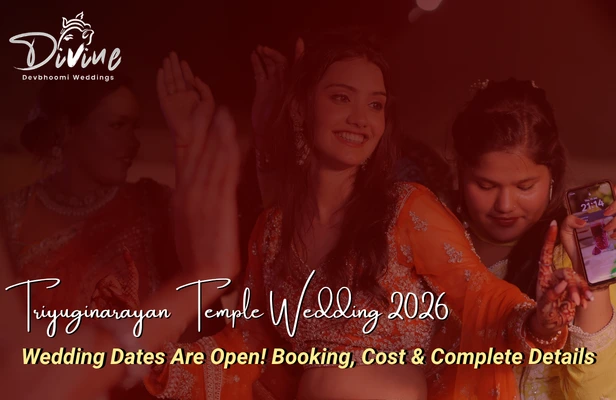
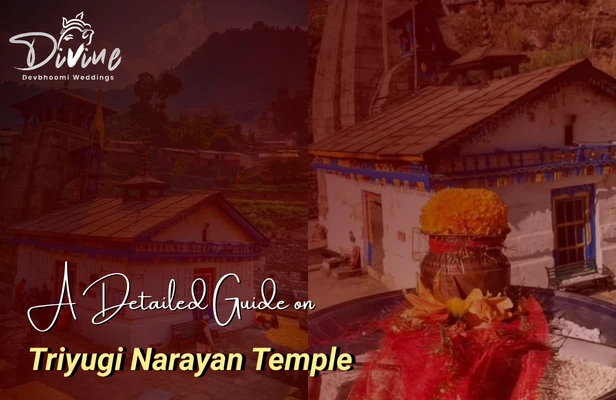
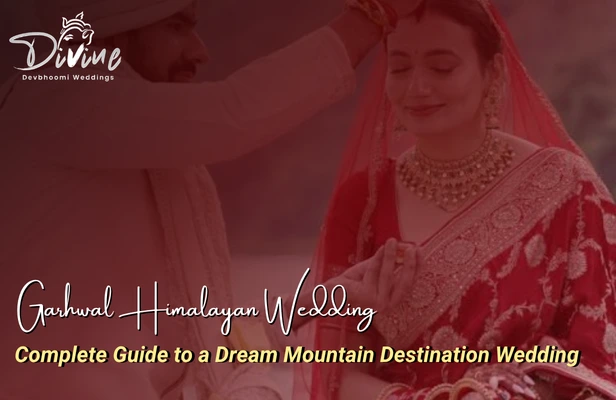
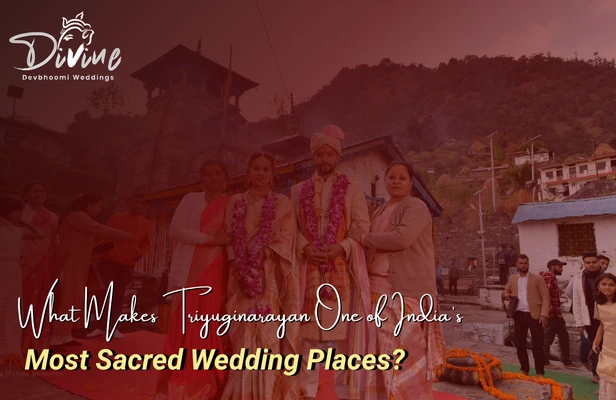







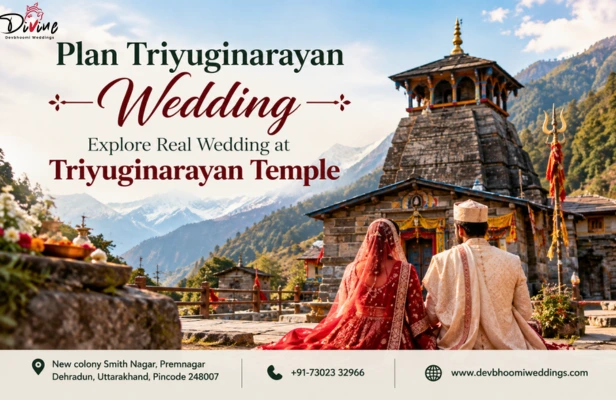
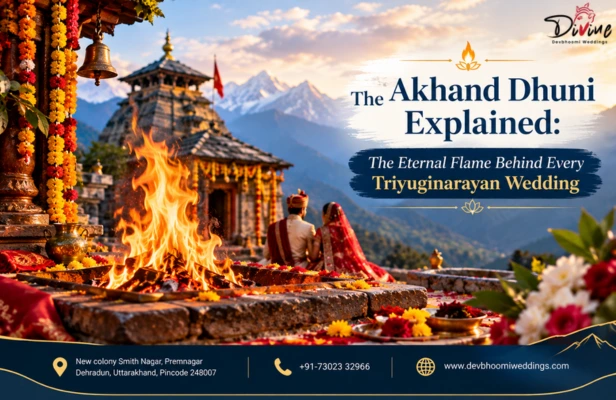
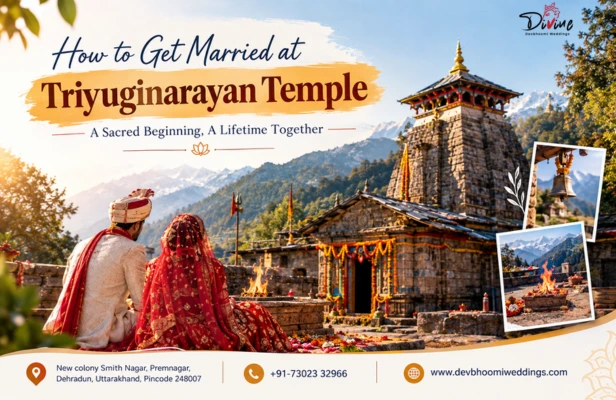
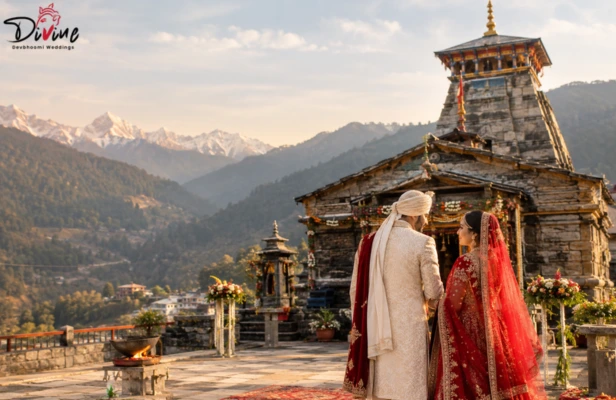
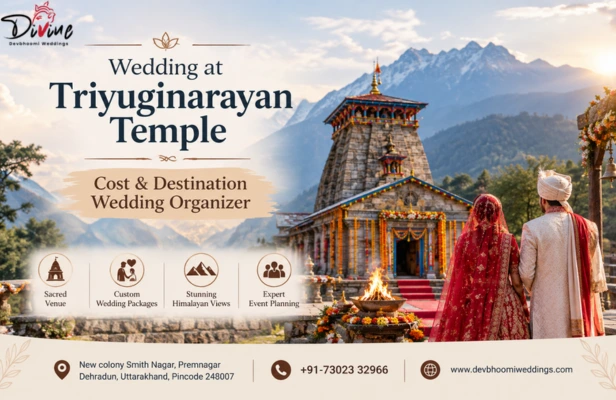
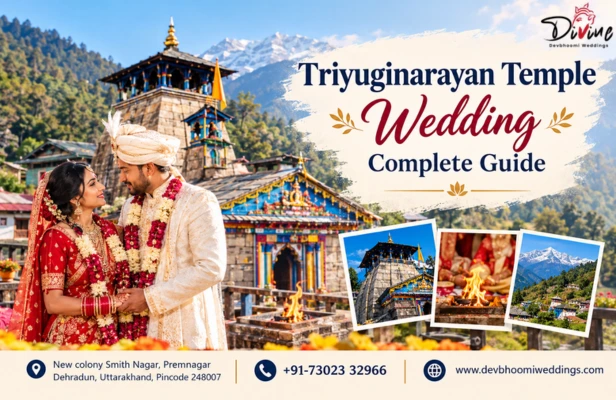

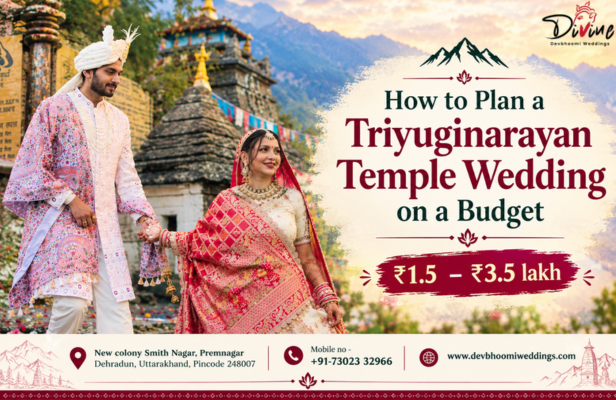
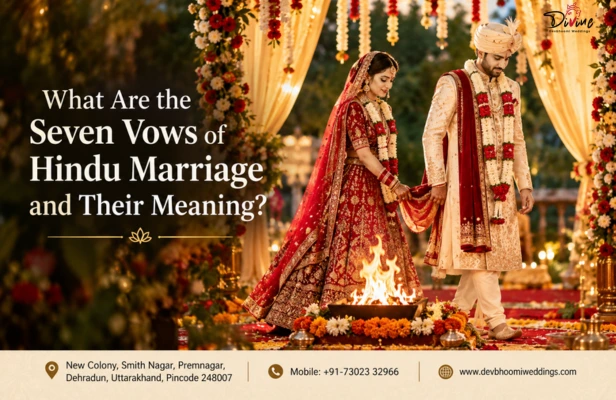



From pre-wedding celebrations to grand wedding days, we provide end-to-end services for all functions.
Copyright © 2024 | All Rights reserved by Divine Dev Bhoomi | Designed & Developed by Edtech Innovate Pvt. Ltd.