

The seven vows of Hindu marriage, also called Saptapadi, are seven promises a bride and groom make while taking seven steps (pheras) together around the sacred fire (Agni). The vows are about food and nourishment, strength and health, wealth, happiness and respect, children, long life, and lifelong friendship. When the seventh step is complete, the marriage is considered final and sacred.
Saptapadi comes from two Sanskrit words: sapta (seven) and padi (steps). It means "seven steps."
In a Hindu wedding, the groom and bride walk seven steps together in front of the holy fire. In many weddings, they walk around the fire seven times. That is why people call it Saat Phere (seven rounds) or Saat Pheras.
The fire is the witness. Hindus believe that Agni, the god of fire, carries the couple's promises to the gods. That is why no Hindu wedding is thought to be complete without the pheras.
Simple definition for search: Saptapadi is the most important ritual in a Hindu wedding in which the couple takes seven steps around the sacred fire and makes seven promises to each other.
The number seven appears again and again in Hindu thought and daily life. This is one big reason why the significance of seven pheras is so deep.
So when a couple takes seven steps, they are tying their lives to something much bigger than one wedding day.
Below is the most common version of the seven wedding vows meaning. The exact words can change from family to family and from region to region, but the spirit stays the same.
The couple prays for enough food, a healthy home and a pure way of earning. They promise to take care of each other and the family, and to earn honestly.
Simple meaning: "We will always look after each other's needs."
The couple prays for strong bodies, calm minds and a peaceful spirit. They promise to stand by each other in illness, stress and hard times.
Simple meaning: "We will be each other's strength."
The couple asks for blessings of wealth and success. They promise to earn fairly, save wisely and share decisions about money.
Simple meaning: "We will build our home together, with honesty and planning."
The couple promises to give each other joy and to respect each other's family, feelings and choices. They agree to create a loving, peaceful home.
Simple meaning: "We will keep each other happy and respect each other always."
The couple prays for healthy, good-natured children and promises to raise them with good values. For couples who plan differently, this phera is also read as a promise to grow a loving family and care for elders and loved ones.
Simple meaning: "We will build a family with love and good values."
The couple prays for a long life together and for balance in every season of life, including good days and difficult days. They promise self-control, patience and peace.
Simple meaning: "We will stay together through every season of life."
The last phera is the heart of the marriage. The couple promises lifelong friendship, trust and loyalty. They agree to walk together as true partners, one in thought, word and action.
Simple meaning: "We will be best friends and stay faithful forever."
Quick Table: Seven Pheras at a Glance
|
Phera |
Theme |
Simple Meaning |
|
1 |
Food and nourishment |
We will take care of each other |
|
2 |
Strength and health |
We will support each other |
|
3 |
Wealth and prosperity |
We will build our home with honesty |
|
4 |
Happiness and respect |
We will respect and love each other |
|
5 |
Children and family |
We will raise a loving family |
|
6 |
Long life and balance |
We will stay together in every season |
|
7 |
Friendship and loyalty |
We will be lifelong friends |
Good to know: In some traditions, the groom leads the first four rounds and the bride leads the last three. In others, the bride leads first. Families follow what their community and priest (pandit) advise.
The short meanings above are easy to remember. But the real significance of seven pheras shows up when you ask one more question for each step: how do we live this promise after the wedding? Here is a deeper look.
In old Hindu thought, food (anna) is seen as the base of life. The first phera is a prayer that the home will never lack basic needs. It also teaches that how you earn matters. Food bought with honest money is seen as pure.
How to live it today: Share household duties. Cook together on weekends. Do not let one partner carry the full weight of the home.
The second phera talks about bal (strength). Strength here is not just physical. It means the courage to stay calm when life is hard: job loss, illness, family stress or money worries.
How to live it today: Take care of your health as a couple. Walk together, sleep on time, and talk openly about stress instead of hiding it.
Hindu tradition accepts that money is needed for a good life. But wealth must come with dharma (right conduct). The third phera links prosperity with honesty and fairness. Goddess Lakshmi is remembered here, and she is believed to stay where there is peace and respect.
How to live it today: Make a shared budget. Discuss big spending together. Save for emergencies and for your future goals.
The fourth phera is about sukh (happiness). The tradition says happiness in a marriage does not come from gifts or big events. It comes from daily respect, small kindness and patience with each other's families.
How to live it today: Say thank you often. Never insult your partner in front of others. Treat in-laws and parents with care, even when you disagree.
The fifth phera speaks about santan (children) and the family line. For many families, this is about passing on values, not only having children. For couples who choose a different path, the same phera can mean building a warm circle of family, friends and community.
How to live it today: Decide on family goals together. Talk about children, parenting style and care of elders before and after marriage.
The sixth phera is linked to ritu (seasons) and long life. Seasons change, and so does married life: young love, busy careers, children, illness, old age. The couple promises to stay steady in all of them.
How to live it today: Plan regular date nights, holidays and quiet time. Marriages do not fail in one day. They slowly drift when partners stop making time for each other.
The seventh phera is about sakhya (friendship). Many priests say that the first six vows lead to this one. A marriage lasts when husband and wife are true friends who can laugh together, trust each other and forgive quickly.
How to live it today: Be honest. Listen without judging. Say sorry first sometimes. Keep your promises, even small ones.
Easy way to remember: Pheras 1 to 3 are about building a home (food, strength, wealth). Pheras 4 to 6 are about growing a family and a healthy life (love, children, balance). Phera 7 is about the friendship that holds everything together.
In very simple words, the bride and groom wedding promises during the Saat Pheras are:
Traditionally, the bride makes her promises (such as running the home with love, being loyal and supporting her husband) and the groom makes his promises (such as caring for her, respecting her and being a faithful partner). Many modern couples now say all seven vows to each other equally, and priests are happy to read them that way. This makes the vows fairer and more meaningful for today's couples.
Read More - Triyuginarayan Temple Wedding vs Other Destination Weddings: Which One Is Right for You?
The order of Hindu wedding ceremony rituals changes by region, but a typical North Indian ceremony looks like this:
The pheras are the turning point of the entire wedding. All earlier rituals lead up to them, and the later rituals complete them.
In Hindu weddings, the sacred fire is not decoration. It is the witness of the marriage. Fire is seen as pure. It burns away negative things and carries prayers to the gods. In the Vedic tradition, nothing important in life is done without Agni, from birth rituals to the final rites.
The priest lights the fire with ghee, dry wood (samidha) and mantras. During the pheras, the couple offers rice, ghee and herbs into the fire. This is called ahuti. It shows that they are starting married life with an offering, not with a demand.
Here is how the ceremony usually flows. Families may follow small differences.
Time needed: A full phera ceremony usually takes 30 to 60 minutes. The whole wedding ritual can take 2 to 3 hours.
Havan kund or a safe fire pit
Tip: Ask your priest for a written list so nothing is missed on the wedding day.
|
Common Myth |
Fact |
|
Only the bride makes promises. |
Traditionally the vows involve both partners. Today many couples say all seven to each other. |
|
The seven vows are the same everywhere. |
Wording and order change by region, community and priest. |
|
Pheras are only for show. |
In tradition and in law (where Saptapadi is part of custom), they complete the marriage. |
|
You cannot understand the vows without Sanskrit. |
You can. Many priests now explain every vow in simple Hindi or English. |
|
The pheras are a very old but unchanging ritual. |
The core is ancient, but families adapt the language, length and style. |
Arrive on time. The pheras are the most sacred part, so do not walk around or chat loudly.
India is full of different Hindu wedding traditions. The pheras look a little different everywhere:
No matter the region, the idea is the same. Two people promise to walk through life together in front of the gods, family and fire.
Explore More - Small Wedding, Big Experience: The New Indian Wedding Trend
In India, Section 7 of the Hindu Marriage Act, 1955 says that a Hindu marriage can be done under the customs of either side. Where the custom includes Saptapadi, the marriage becomes complete and binding when the seventh step is taken.
This shows how important the pheras are, not just in faith but also in law. For legal questions about your own marriage, please talk to a qualified lawyer. This guide is for information only.
In 2026, many couples are keeping the old rituals but adding a personal touch:
What matters most is not how big the wedding is. It is how truly the couple means each vow.
The pheras are the heart of the wedding, but many other rituals make the full picture. Here is a simple guide to the Hindu marriage rituals and traditions before and after the seven vows.
|
Ritual |
What It Means |
|
Roka or Sagai |
Both families formally agree to the match and bless the couple. |
|
Ganesh Puja |
Lord Ganesha is prayed to first to remove obstacles. |
|
Haldi |
Turmeric paste is applied to bring glow, health and good luck. |
|
Mehendi |
Henna is applied on the bride's hands and feet. It is a sign of joy and good fortune. |
|
Sangeet |
Songs, dance and celebration bring both families closer. |
|
Ritual |
What It Means |
|
Baraat and Milni |
The groom's family arrives and both families meet with respect. |
|
Jaimala (Varmala) |
The couple exchange garlands to show they accept each other. |
|
Kanyadaan |
The bride's parents entrust their daughter to the groom with blessings. |
|
Gathbandhan |
The couple's clothes are tied together, a symbol of an unbreakable bond. |
|
Saat Pheras |
Seven steps and seven promises in front of the sacred fire. |
|
Sindoor and Mangalsutra |
Signs of marriage in many communities. |
|
Ritual |
What It Means |
|
Vidaai |
The bride leaves her parents' home with blessings and tears. |
|
Griha Pravesh |
The bride enters her new home, often by gently tipping a pot of rice. It shows prosperity entering the house. |
|
Reception |
Friends and extended family celebrate and bless the couple. |
|
Pag Phera |
The bride visits her parents' home for the first time after the wedding. |
A wedding lasts one day. The vows last a lifetime. Here are simple habits that help couples live the promises of the seven pheras.
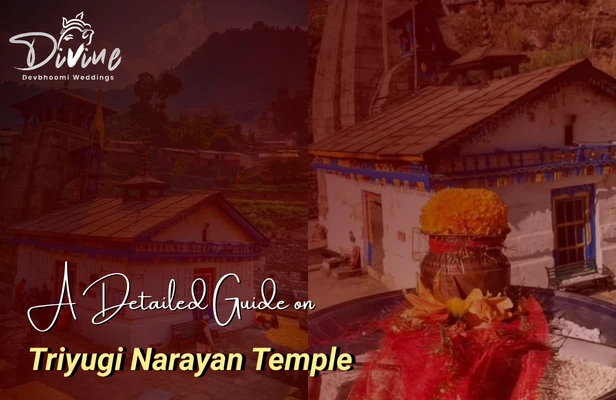
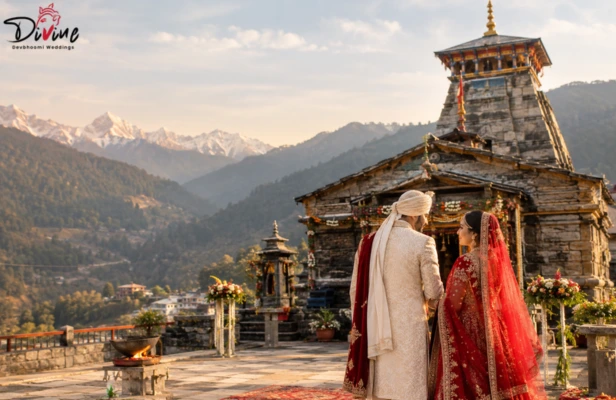
If you are interested in the sacred vows in Hindu marriage, there is one place every devotee should know: the Triyuginarayan Temple in Rudraprayag district, Uttarakhand.
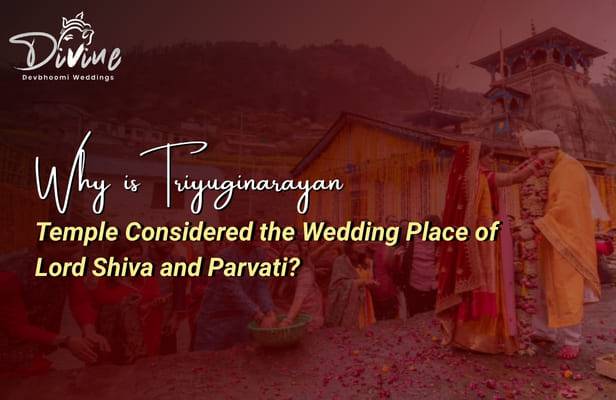
According to belief, this is the village where Lord Shiva and Goddess Parvati were married. Lord Vishnu is believed to have attended as Parvati's brother, and Lord Brahma is said to have been the priest. The sacred fire of that divine wedding is said to be still burning in the temple. It is called the Akhand Dhuni (eternal flame).
About the temple:
Many couples visit Triyuginarayan after marriage to seek blessings, and some also choose to hold their wedding here. If you plan a wedding at the temple, always check the current rules, permissions and booking process with the temple committee or local authorities first, because they can change.
This section answers a very common question: how to reach Triyuginarayan Temple.
The easiest way is to reach Sonprayag (near Guptkashi), then take a taxi or jeep for about 12 km on the motorable road to Triyuginarayan village. There is also a short trek of about 5 km from Sonprayag through forest.
The usual route is:
Haridwar/Rishikesh → Devprayag → Srinagar (Garhwal) → Rudraprayag → Agastyamuni → Guptkashi → Sitapur → Sonprayag → Triyuginarayan
A short forest trek of about 5 km starts from the Sonprayag side along the Ghuttur and Kedarnath bridle path. The walk is considered easy to moderate and takes a few hours. Wear good shoes and carry water.
Check the weather and road status the day before you travel.
Here is a clear answer to Sonprayag to Triyuginarayan Temple distance:
|
Route |
Distance |
Approx. Time |
|
Sonprayag to Triyuginarayan by road (taxi or jeep) |
About 12 km |
30 to 60 minutes |
|
Sonprayag to Triyuginarayan by trek (bridle path) |
About 5 km |
2 to 3 hours |
|
Gaurikund to Triyuginarayan (via Sonprayag) |
About 12 to 17 km |
About 1 hour |
|
Rishikesh to Sonprayag |
About 210 to 220 km |
8 to 10 hours |
|
Delhi to Sonprayag |
About 450 to 470 km |
11 to 14 hours |
Note: Distances and travel times are approximate and can change because of weather, traffic, road work and landslides. Always confirm locally before you travel.
Voice search answer: The Triyuginarayan Temple is about 12 kilometres from Sonprayag by road, which takes around 30 to 60 minutes. A shorter forest trek of about 5 kilometres is also possible.
The name Triyuginarayan is often explained as tri (three), yugi (ages) and Narayan (Lord Vishnu). Local belief says the sacred fire here has been burning through three ages, which is why it is called the Akhand Dhuni (unbroken flame).
The legend in simple words:
Because of this story, the place is a symbol of ideal marriage: love, patience, respect and commitment. That is why couples from across India come here for blessings.
Near the temple are small sacred ponds (kunds). Devotees believe that bathing or sprinkling water from them brings purity before prayer.
Local guides may share slightly different details on each kund. It is good to ask a temple priest when you visit.
Devotees believe the ash (vibhuti) from the Akhand Dhuni is holy. Many couples carry a little of it home as a blessing for a peaceful married life. Pilgrims also offer wood (samidha) to the fire. Ask the temple priests how to offer it properly.
Some couples choose to marry at Triyuginarayan because it is believed to be the place of Shiva and Parvati's wedding. If you are thinking about it:
This is a simple example. Adjust it to the season, road status and your health.
|
Day |
Plan |
Notes |
|
Day 1 |
Travel from Rishikesh or Haridwar to Guptkashi or Sonprayag. Visit Vishwanath Temple at Guptkashi if time allows. |
Start early. Hill roads are slow. |
|
Day 2 |
Morning drive from Sonprayag to Triyuginarayan (about 12 km). Visit the Akhand Dhuni, the four kunds and the temple. Return by afternoon. |
Carry water, snacks and a light jacket. |
|
Day 3 |
Visit Gaurikund (about 5 km from Sonprayag) or begin the journey back to Rishikesh or Haridwar. |
If you plan to go to Kedarnath, follow the current registration rules and weather alerts. |
Comfortable walking shoes with good grip
Do:
Don't:
The seven vows of Hindu marriage are seven promises the bride and groom make during Saptapadi. They cover nourishment, health and strength, prosperity, love and respect, children and family, long life and balance, and lifelong friendship and loyalty.
Each phera is one step in the couple's shared journey. Together, the seven pheras show that the couple has agreed to support, respect and stay loyal to each other for life. The fire is the witness to these promises.
The seven pheras are important because they make the marriage sacred, complete and binding in Hindu belief. The number seven is also linked to seven chakras, seven sages and seven lifetimes. Under the Hindu Marriage Act, where Saptapadi is part of the custom, the marriage becomes complete when the seventh step is taken.
They promise to care for each other, share good and bad times, manage the home and money together, respect each other's families, raise a family with good values, stay together for life, and remain true friends. Many modern couples now make all the vows to each other equally.
It depends on family and regional custom. In many North Indian weddings, the groom leads the first four rounds and the bride leads the last three. In some families, the bride leads first. Both are accepted, and the pandit will guide the couple.
The core idea is the same, but the exact words and order can differ by region, language and priest. Some communities follow four pheras, such as the Mangal Phera in some Gujarati weddings. The spirit of commitment stays the same.
Yes. The Sanskrit mantras are usually recited by the priest, but many couples ask for simple Hindi or English explanations so that they and their guests understand each vow. This is common in 2026 weddings.
Under Section 7 of the Hindu Marriage Act, 1955, a Hindu marriage can be solemnised under the customs of either party. If Saptapadi is part of those customs, the marriage becomes complete and binding when the seventh step is taken. For legal advice on your case, please speak to a lawyer.
Triyuginarayan Temple is about 12 km from Sonprayag by motorable road, which takes around 30 to 60 minutes by taxi or jeep. There is also a shorter forest trek of about 5 km.
It is believed to be the place where Lord Shiva and Goddess Parvati were married, with Lord Vishnu and Lord Brahma present. A sacred fire, called the Akhand Dhuni, is said to have been burning there since that divine wedding. Many couples visit to seek blessings for a happy married life.
The seven vows of Hindu marriage are much more than a wedding ritual. They are seven simple promises about care, strength, honesty, love, family, patience and friendship. When a couple understands what each phera means, the ceremony turns from a beautiful tradition into a real life guide.
And if you ever want to see where the greatest divine wedding is believed to have happened, plan a trip to Triyuginarayan Temple. Reach Sonprayag, take the short 12 km drive or the 5 km trek, and stand beside the eternal flame of Shiva and Parvati's marriage.
Saat phere, saat vachan, saat janam ka saath.

















































































From pre-wedding celebrations to grand wedding days, we provide end-to-end services for all functions.
Copyright © 2024 | All Rights reserved by Divine Dev Bhoomi | Designed & Developed by Edtech Innovate Pvt. Ltd.