

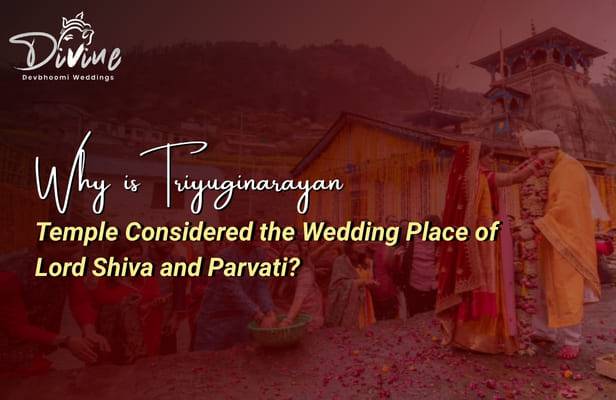
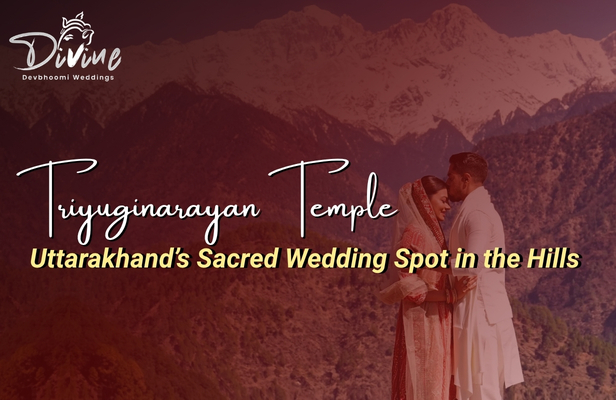
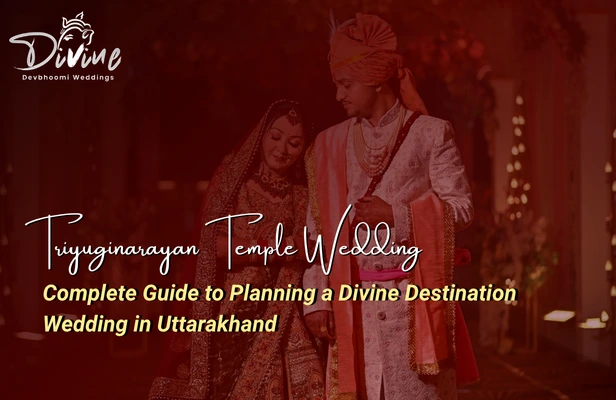
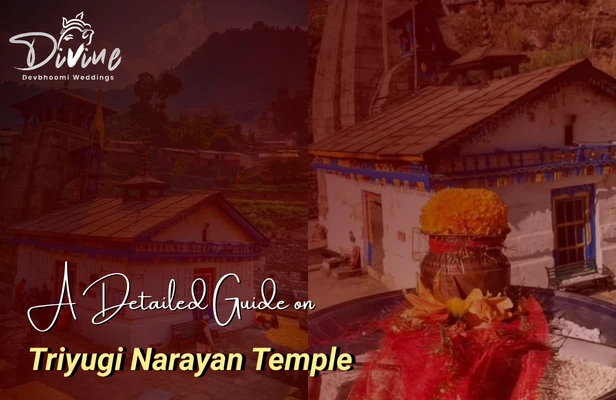
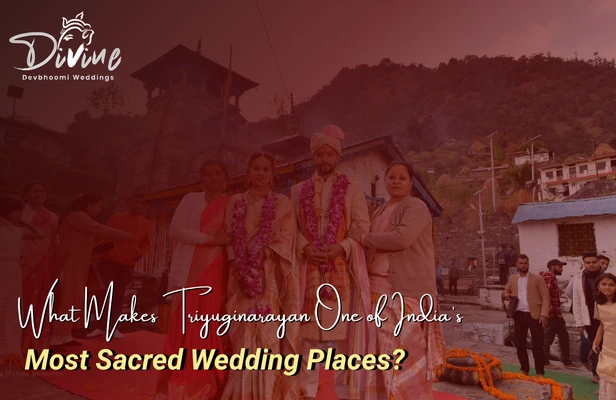
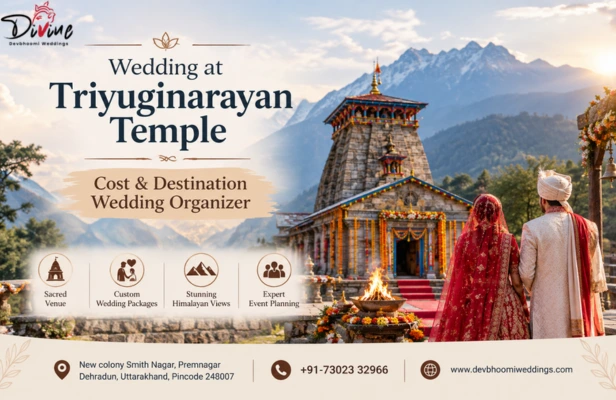
Choosing where to get married is one of the most personal decisions a couple will ever make, and today more couples than ever are moving away from banquet halls toward a true Triyuginarayan Destination Wedding or a comparable getaway venue elsewhere in India. Triyuginarayan sits quietly in the Garhwal Himalayas of Uttarakhand, revered as the very place where Lord Shiva and Goddess Parvati are believed to have been married in front of an eternal fire that is said to have burned continuously for millennia. That single fact sets it apart from almost every other wedding destination in the country. But is it the right choice for every couple? This guide compares a Triyuginarayan Temple Wedding with other popular destination wedding options — Goa, Udaipur, Rishikesh, and the hill stations of Himachal — across spirituality, cost, logistics, guest experience, and climate, so you can decide with confidence. Uttarakhand is often called Devbhoomi, the Land of the Gods, and nowhere is that title more literal than at this small temple town near Rudraprayag.
Triyuginarayan's fame is not built on marketing — it is built on scripture and centuries of pilgrimage tradition. The temple takes its name from 'Tri-Yuga,' meaning three ages, referencing the belief that the divine wedding took place across three yugas of continuous rituals.
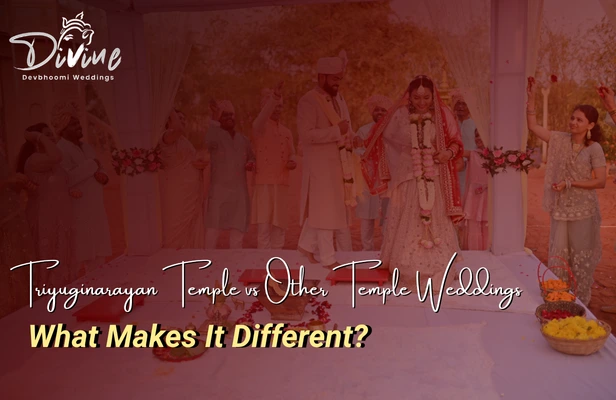
Compared with resort weddings in Goa or palace weddings in Udaipur, a Triyuginarayan Destination Wedding is built around devotion first and spectacle second. It suits couples who want their marriage to feel sacred rather than staged.
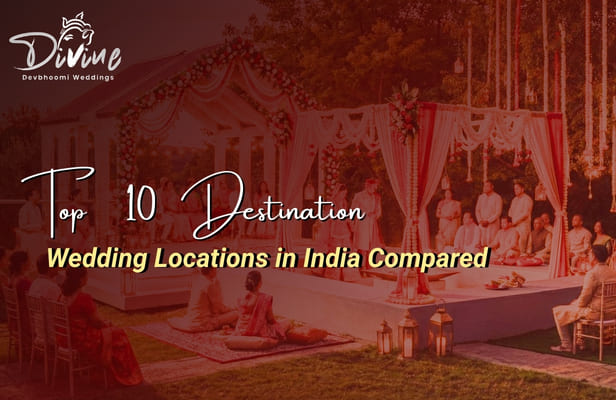
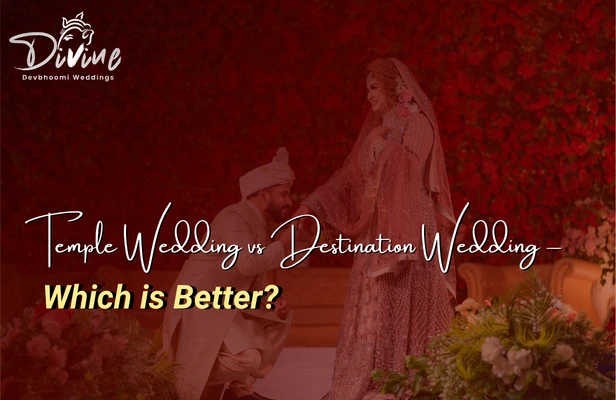
This is the comparison most couples actually want answered. Here is how a Triyuginarayan Destination Wedding stacks up against other well-known Indian destination wedding locations.
|
Factor |
Triyuginarayan Temple |
Goa |
Udaipur |
Himachal (Manali/Shimla) |
|
Core appeal |
Spiritual & mythological |
Beach & nightlife |
Royal & luxury |
Scenic & adventure |
|
Guest capacity |
Small, intimate (50–150) |
Large (up to 1,000+) |
Large, palace-scale |
Medium (100–300) |
|
Typical cost |
Moderate, budget-friendly |
Moderate to high |
High to very high |
Moderate |
|
Wedding style |
Traditional Hindu / Vedic |
Flexible, any style |
Grand, opulent |
Flexible, scenic |
|
Accessibility |
Moderate trek/drive needed |
Easy, direct flights |
Easy, direct flights |
Easy, road-connected |
|
Best for |
Devout, intimate couples |
Fun, casual couples |
Grandeur-seeking couples |
Nature-loving couples |
If your priority is scale, nightlife, or palace-style grandeur, Goa or Udaipur will likely serve you better. But if your priority is spiritual authenticity, a smaller guest list, and a wedding rooted in mythology rather than luxury, a Triyuginarayan Destination Wedding is very hard to match.
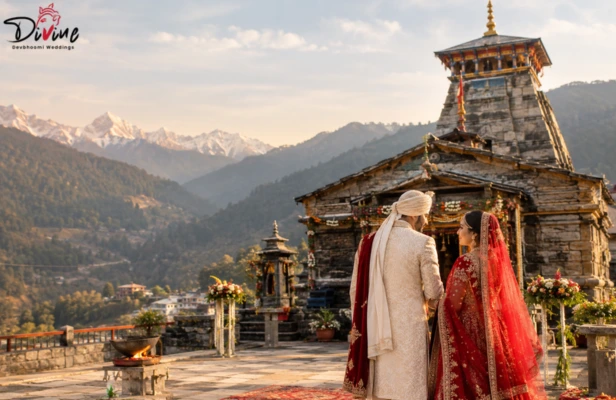
Uttarakhand offers snow-dusted mountains, pine-covered valleys, and a peaceful environment that instantly elevates wedding photography and the overall mood of the celebration, without the crowds typical of beach destinations.
Beyond Triyuginarayan itself, the region is dotted with temples and shrines, giving the entire trip a religious meaning that resonates strongly with families who want blessings woven into every part of the wedding week.
Traditional rituals performed exactly as scripture describes, and authentic cultural celebrations with local priests, give this destination a sense of continuity with history that few modern venues can offer.
Guests often combine the wedding with pilgrimage stops such as Kedarnath or Guptkashi, plus local sightseeing in the Mandakini valley, turning the trip into a meaningful getaway rather than just an event.
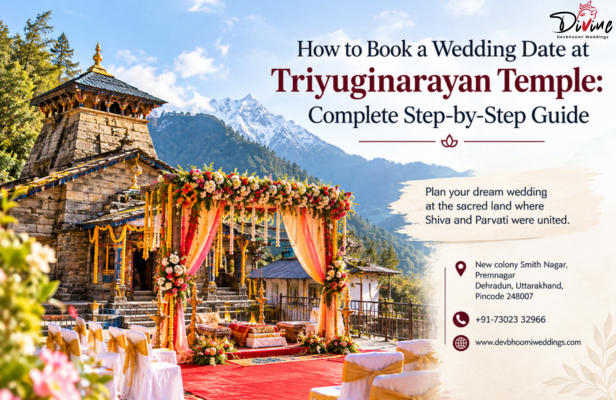
Here is a practical, step-by-step approach to planning your wedding at this sacred venue:
Exact fixed pricing varies by season, guest count, and vendor choices, but the table below outlines the major cost factors and typical ranges to help with budgeting.
|
Cost Component |
What Influences It |
Typical Range |
|
Guest count |
Number of family/friends attending |
Scales with headcount |
|
Accommodation |
Budget stay vs. premium resort |
₹1,500 – ₹8,000+ per room/night |
|
Decoration |
Simple traditional vs. elaborate floral |
₹50,000 – ₹3,00,000+ |
|
Food & catering |
Guest count and menu complexity |
₹500 – ₹1,500 per plate |
|
Transportation |
Distance from Dehradun/Haridwar and vehicle type |
Varies by group size |
|
Photography |
Number of days, drone coverage, cinematic films |
₹40,000 – ₹2,00,000+ |
Compared to a palace wedding in Udaipur or a large beach wedding in Goa, overall costs at Triyuginarayan tend to be considerably lower, mainly because the guest list is naturally smaller and the setting itself needs minimal decoration to feel special.
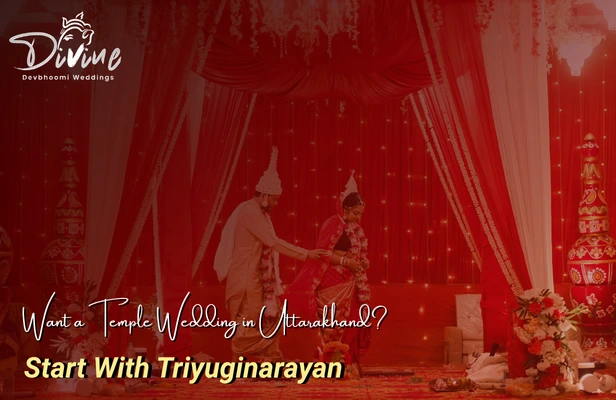
Read More - Want a Temple Wedding in Uttarakhand? Start With Triyuginarayan
Each ritual carries deep spiritual weight because it is performed at the very site tradition says these rites were first observed.
Pleasant weather, blooming valleys, and clear mountain views make spring one of the most popular windows for weddings here.
Cooler than the plains and generally accessible, though early monsoon showers in late June should be watched closely.
Crisp air, clear skies, and excellent photography conditions make autumn a favorite among planners and photographers alike.
Monsoon months (July–August) are best avoided due to landslide risk and unpredictable road conditions in the hills.
The nearest airport is Jolly Grant Airport in Dehradun, roughly 220–230 km away, well connected to Delhi and other major cities.
The nearest major railway stations are Rishikesh and Haridwar, from where guests continue by road.
Triyuginarayan is connected via Rudraprayag and Sonprayag; the final stretch involves hill roads, so hiring experienced mountain drivers is strongly recommended for guest safety and comfort.
Practical tip: build in extra travel time for elderly guests and children, and schedule the main journey during daylight hours.
Because this venue is remote, spiritually significant, and logistically different from a standard resort wedding, most couples prefer working with a planner who already understands the terrain and temple protocols. Devbhoomi Weddings specializes in exactly this kind of ceremony, offering:
Rather than piecing together vendors from scratch, working with Devbhoomi Weddings lets couples rely on a team that has already solved the practical challenges unique to a Rudraprayag wedding destination.
When you place a Triyuginarayan Destination Wedding side by side with the beaches of Goa, the palaces of Udaipur, or the hill resorts of Himachal, the real difference isn't scenery — it's meaning. Triyuginarayan offers something none of those venues can replicate: the belief that you are marrying at the exact spot, and beside the exact fire, where Lord Shiva and Goddess Parvati were wed. For couples who want spirituality, intimacy, and the natural grandeur of the Himalayas woven into their wedding day, proper planning and an experienced local team make all the difference between a stressful trip and a truly divine celebration. If grandeur and guest capacity matter more to you than sacred history, one of the alternatives may suit you better — but if you want a wedding that feels timeless rather than trendy, Triyuginarayan is very difficult to beat.
What documents are required for a wedding at Triyuginarayan Temple?
Couples typically need valid government ID proof, address proof, and in some cases an affidavit or marriage registration paperwork depending on state requirements. It's best to confirm the current checklist with your wedding planner or the temple committee before travel.
Can international couples get married at Triyuginarayan Temple?
Yes, international and NRI couples can hold their ceremony here, though they should check visa requirements and any additional documentation needed for a legally recognized marriage in India.
How far is Triyuginarayan Temple from Rishikesh, Haridwar, and Dehradun?
Triyuginarayan is roughly 200–230 km from Rishikesh, Haridwar, and Dehradun, translating to about 7–9 hours of hill driving depending on road and weather conditions.
What wedding rituals are performed at Triyuginarayan Temple?
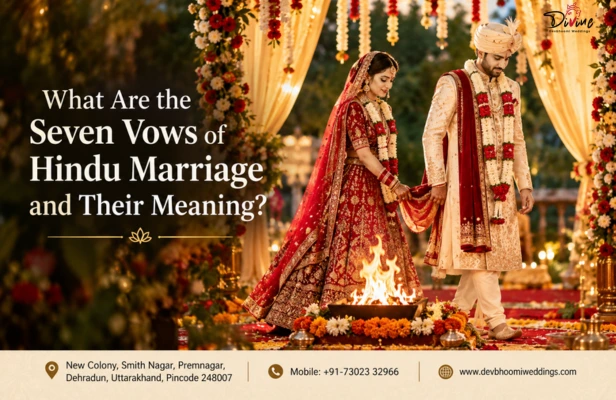
Ceremonies typically include Ganesh Puja, Kanyadaan, pheras around the Akhand Dhuni, and Vedic rituals led by resident priests, followed by final blessings.
How early should I book a Triyuginarayan wedding date?
Most planners recommend booking at least 4–6 months in advance, especially for auspicious dates during the popular spring and autumn seasons.
Are pre-wedding functions allowed in Triyuginarayan?
Yes, pre-wedding functions can be arranged at nearby resorts or hotels in Sonprayag, Guptkashi, or Rudraprayag, since the temple premises are reserved primarily for the core ceremony.
Can Mehendi, Haldi, and Sangeet ceremonies be organized near the temple?
Yes, these functions are usually held at your accommodation or a nearby venue rather than inside the temple complex itself, and planners can arrange décor and catering accordingly.
Is photography and videography allowed during the wedding ceremony?
Photography is generally allowed, though some restrictions may apply inside the innermost temple areas. It's best to confirm permitted zones with temple authorities in advance.
What decoration options are available for a Triyuginarayan wedding?
Options range from simple floral and marigold décor that respects the temple's sanctity to more elaborate traditional setups at your accommodation for other wedding functions.
Are customized wedding packages available for different budgets?
Yes, planners like Devbhoomi Weddings typically offer tiered packages covering budget, mid-range, and premium options based on guest count, accommodation category, and service level.



















































From pre-wedding celebrations to grand wedding days, we provide end-to-end services for all functions.
Copyright © 2024 | All Rights reserved by Divine Dev Bhoomi | Designed & Developed by Edtech Innovate Pvt. Ltd.