
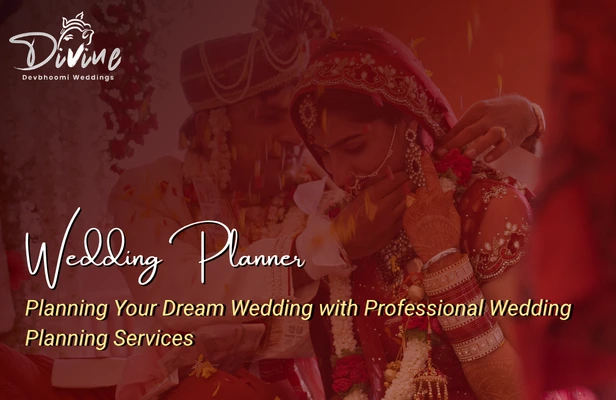
Planning a wedding is one of the most exciting yet overwhelming experiences a couple can go through, which is exactly why hiring a professional wedding planner has become the smartest decision for modern couples. Between managing budgets, coordinating vendors, finalizing venues, and keeping every family member happy, weddings today involve far more moving parts than they used to. A skilled wedding planner steps in to handle the logistics, negotiations, and last-minute emergencies so couples can actually enjoy their engagement instead of drowning in spreadsheets and vendor calls.
The rise of destination weddings and luxury celebrations has only increased the demand for experienced professionals who understand permits, travel logistics, and high-end vendor networks. Whether you're dreaming of an intimate backyard ceremony or a five-day destination wedding in Udaipur, working with the right wedding planner can save you time, reduce stress, and often even save you money through smarter budget management. This guide covers everything you need to know before hiring a wedding planner — from services and costs to trends and a month-by-month checklist.
A wedding planner is a trained professional who manages every aspect of a wedding, from the very first budget conversation to the final send-off on the wedding day. Their role goes far beyond picking flowers and sending invitations — a good wedding planner handles vendor contracts, timelines, budgeting, design direction, and crisis management behind the scenes.
Why couples hire wedding planners:
Wedding planner vs. wedding coordinator: A full wedding planner is involved from day one — budgeting, vendor selection, design, and logistics. A wedding coordinator, on the other hand, typically joins closer to the wedding date (often 4–6 weeks prior) purely to execute a plan the couple has already built, managing the day-of schedule and vendor arrivals.
Many couples assume they can DIY their wedding, but professional planning almost always pays for itself in time saved and mistakes avoided.
Manages the entire wedding from concept to execution — budgeting, vendor sourcing, design, logistics, and day-of coordination.
Ideal for couples who have already booked some elements themselves but need help finalizing details, vendor coordination, and design execution.
Steps in closer to the wedding date to execute an existing plan, manage the timeline, and handle vendors on the day itself.
Specializes in managing weddings at out-of-town or international locations, handling travel, permits, accommodation, and local vendor coordination.
Focuses on high-end weddings with bespoke design, premium vendors, elaborate décor, and personalized guest experiences.
A professional wedding planning services process typically follows these steps:
A comprehensive wedding planner typically covers:
Pricing for wedding planning services varies significantly depending on scope, location, and guest count.
| Factor | Impact on Cost |
|---|---|
| Guest count | Higher guest numbers increase catering, seating, and logistics costs |
| Destination | Out-of-town or international weddings add travel and permit costs |
| Luxury arrangements | Premium décor, designer outfits, and celebrity vendors raise budgets |
| Decoration complexity | Elaborate themes and installations cost more than minimal décor |
| Catering style | Multi-cuisine buffets cost more than fixed-menu plated meals |
| Entertainment | Live bands or celebrity performances increase overall spend |
| Planning level | Full-service planning costs more than day-of coordination only |
Most wedding planning services charge either a flat fee, a percentage of the total wedding budget (typically 10–15%), or an hourly consulting rate, depending on the scope of work agreed upon.
Planning a destination wedding requires additional layers of coordination that a specialized destination wedding planner is best equipped to handle:
Use this quick checklist when evaluating your options:
Modern couples are shaping weddings around personalization and sustainability:
A month-by-month approach keeps planning manageable:
Start planning as early as possible
Hiring the right wedding planner transforms wedding planning from an overwhelming task into an enjoyable journey. From managing budgets and vendors to handling last-minute surprises, a professional planner brings structure, expertise, and calm to one of the most important days of your life. Whether you're planning an intimate ceremony, a luxury celebration, or a destination wedding, the right planner ensures every detail is handled with care — often saving you both time and money in the process. Ultimately, choosing an experienced, transparent, and communicative wedding planner is the key to a memorable, stress-free celebration that reflects exactly who you are as a couple.
What does a wedding planner do?
A wedding planner manages the entire planning process — budgeting, vendor coordination, design, logistics, and execution on the wedding day.
How much does a wedding planner cost?
Costs vary based on guest count, destination, and service scope, typically ranging from a flat fee to 10–15% of the total wedding budget.
Is hiring a wedding planner worth it?
Yes — professional planners often save couples both time and money through vendor relationships and efficient budget management.
When should I hire a wedding planner?
Ideally, 10–12 months before the wedding date, especially for destination or luxury weddings that require extensive coordination.
Can a wedding planner help with destination weddings?
Yes, destination wedding planners specialize in managing travel, accommodation, permits, and local vendors for out-of-town weddings.
What services are included in wedding planning?
Services typically include venue booking, vendor management, décor, catering, entertainment, guest management, and day-of coordination.
How do I choose the best wedding planner?
Evaluate experience, portfolio, reviews, communication style, vendor network, and pricing transparency before making a decision.
Can wedding planners work within my budget?
Yes, most professional planners tailor their services and vendor recommendations to fit a couple's specific budget.
What is the difference between a wedding planner and a wedding coordinator?
A wedding planner is involved from the start of the planning process, while a coordinator typically joins closer to the date to execute an existing plan.
Do wedding planners manage vendors on the wedding day?
Yes, most wedding planners oversee all vendor arrivals, setup, and timelines on the day of the wedding to ensure everything runs smoothly.












































From pre-wedding celebrations to grand wedding days, we provide end-to-end services for all functions.
Copyright © 2024 | All Rights reserved by Divine Dev Bhoomi | Designed & Developed by Edtech Innovate Pvt. Ltd.