

Uttarakhand is called Dev Bhoomi (Land of the Gods) because it is home to the Char Dham shrines, the sources of the sacred Ganga and Yamuna rivers, and hundreds of ancient temples. Hindu texts link its Himalayan peaks to Lord Shiva, Lord Vishnu, Goddess Parvati, Goddess Ganga and the Pandavas. Sages have meditated here for thousands of years, and millions of pilgrims visit every year.
In short: gods, rivers, mountains and faith all meet here.
What does Dev Bhoomi mean?
"Dev" means god. "Bhoomi" means land. So Dev Bhoomi means "Land of the Gods."
The name is not new. Old Hindu scriptures such as the Skanda Purana describe this Himalayan region as a holy land. They talk about two parts: Kedarkhand (today's Garhwal) and Manaskhand (today's Kumaon). Together, they make modern Uttarakhand.
The state itself is young. Uttarakhand was formed on 9 November 2000 as India's 27th state. It was first called Uttaranchal and was renamed Uttarakhand in 2007. But its spiritual story is thousands of years old.
Fun timing fact: Uttarakhand celebrates its foundation day on 9 November, so this month the state turns 26.
A place does not get the name Land of the Gods only because it has many temples. It gets it because people have told stories about gods in that place for thousands of years. Here are the most loved stories that tie Uttarakhand to the divine.
King Bhagiratha wanted to free the souls of his ancestors. He prayed for many years so that Goddess Ganga would come down from heaven. But her force was so strong that the earth could not bear her fall. Lord Shiva caught her in his matted hair and released her slowly. This is why Gangotri is seen as the place where heaven touches earth, and why a dip in the Ganga is believed to wash away sins.
According to the Puranas, King Daksha held a great yagna at Kankhal, near Haridwar, and did not invite his son-in-law Lord Shiva. Daksha's daughter Sati could not bear the insult and gave up her life. A heartbroken Shiva then began his wild dance of grief. Today the Daksha Mahadev Temple in Kankhal remembers this story, and Haridwar is seen as a place where Shiva's presence is strongly felt.
When gods and demons churned the ocean for amrit (the nectar of life), a deadly poison came out first. To save the world, Lord Shiva drank it and held it in his throat, which turned blue. This is how he got the name Neelkanth, meaning the blue-throated one. The Neelkanth Mahadev Temple near Rishikesh is linked to this story. The same legend of amrit is why Haridwar is one of the four Kumbh Mela cities.
After the war of Kurukshetra, the Pandavas felt heavy with guilt. They travelled to the Himalayas to seek forgiveness from Lord Shiva. Shiva did not want to meet them, so he took the form of a bull and hid among the cattle. Bhima, the strong Pandava, recognised him and tried to hold him. Shiva sank into the ground, and his body parts rose at five different places. These became the Panch Kedar temples. The Pandavas then walked towards heaven through the high Himalayas near Badrinath.
About 1,200 years ago, the great saint Adi Shankaracharya travelled across India to bring Hindu traditions together. He is linked with setting up or reviving the Badrinath shrine and with founding the Jyotirmath centre at Joshimath. Many believe he also helped bring order to the Char Dham pilgrimage. His journey is one reason why Uttarakhand became a centre of learning as well as worship.
These stories are not just old tales. People in Uttarakhand still visit these places, sing about these gods and perform rituals based on these beliefs. When you stand at a river meeting point or in front of a temple in the clouds, the story feels alive. That living faith is the real reason the title Dev Bhoomi still fits.
The four holy shrines of Yamunotri, Gangotri, Kedarnath and Badrinath sit high in the Garhwal Himalayas. Each one is linked to a major deity or river goddess. Devotees believe that completing this pilgrimage cleans sins and helps on the path to moksha (freedom from the cycle of birth and death).
The Ganga starts as the Bhagirathi river at the Gangotri glacier (Gaumukh). At Devprayag, the Bhagirathi meets the Alaknanda, and from this point the river is called the Ganga. According to legend, King Bhagiratha prayed for years to bring the river down from heaven, and Lord Shiva held her in his hair to soften her fall.
The Yamuna begins near Yamunotri. Hindus see Goddess Yamuna as the sister of Ganga. A bath in her warm springs at Yamunotri is a key ritual for pilgrims.
Many believe the Himalayas are Shiva's home. Kedarnath, one of the 12 Jyotirlingas, stands at about 3,583 metres. Nearby, Tungnath (about 3,680 metres) is known as the highest Shiva temple in the world.
Badrinath is the temple of Lord Vishnu in his Badrinarayan form. The great saint Adi Shankaracharya is closely linked with reviving this shrine and setting up the Jyotirmath (Joshimath) centre in the region.
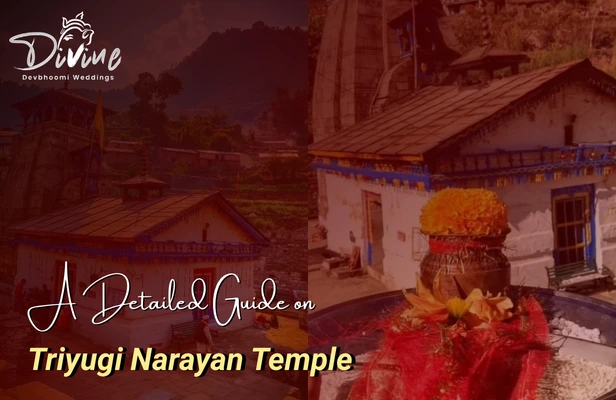
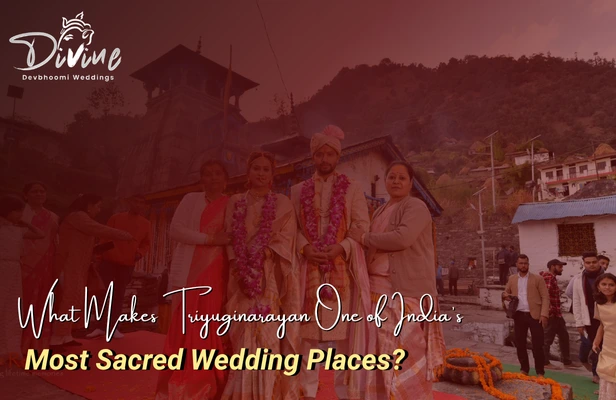
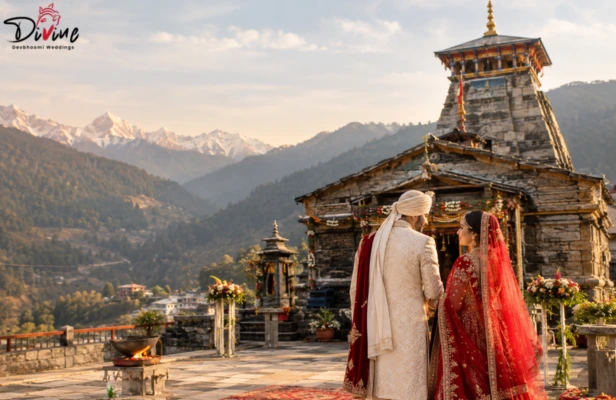
The Triyuginarayan Temple in Rudraprayag is believed to be the place of the divine wedding of Shiva and Parvati. A sacred flame inside the temple is said to have been burning since that time. Nearby Gaurikund is linked to Parvati's penance.
The Mahabharata connects the Pandavas to this land. Legend says they came to the Himalayas to seek forgiveness after the war, and the Panch Kedar temples are linked to this story. Their final walk towards heaven is said to have started near Badrinath, close to the Swargarohini peaks.
For thousands of years, rishis and yogis have meditated in Uttarakhand's caves and forests. Rishikesh is now known worldwide as the Yoga Capital of the World. Near Badrinath, the Vyas Gufa in Mana village is believed to be where Sage Vyasa composed the Mahabharata.
The divine is not only in big temples. Every village in Uttarakhand has its own gram devta (village god). Local deities such as Nanda Devi, Golu Devta and Bhumiya are part of daily life. Folk rituals like Jagar (a song-based worship) and the grand Nanda Devi festivals keep these beliefs alive.
Snow peaks, deep valleys, thundering rivers and silent forests give the land a calm, spiritual feel. Many travellers say they feel peace here that they cannot find in cities. This feeling, along with faith and history, is why the title "Dev Bhoomi" has stayed.
|
Dham |
Deity |
River / Source |
District |
Approx. Height |
2026 Opening |
|
Yamunotri |
Goddess Yamuna |
Source of River Yamuna |
Uttarkashi |
3,293 m |
19 April 2026 |
|
Gangotri |
Goddess Ganga |
Source of River Bhagirathi/Ganga |
Uttarkashi |
3,100 m |
19 April 2026 |
|
Kedarnath |
Lord Shiva |
Mandakini valley |
Rudraprayag |
3,583 m |
22 April 2026 |
|
Badrinath |
Lord Vishnu |
Alaknanda river |
Chamoli |
3,100 m |
23 April 2026 |
Good to know: The temples open on Akshaya Tritiya and close around Diwali and Bhai Dooj. For 2026, closing dates are reported as roughly 10 to 13 November 2026, but they can change with the Hindu calendar and weather. Always check the latest official announcement before you plan a trip.
Where does the deity go in winter? The gods are not left alone. Their idols are moved to lower winter seats: Yamunotri at Kharsali, Gangotri at Mukhba, Kedarnath at Ukhimath, and Badrinath at Joshimath. Worship continues there through the winter.
Here is a short guide to each of the four holy shrines, so you know what to expect before you go.
Yamunotri is the first stop of the traditional Char Dham route. The temple is dedicated to Goddess Yamuna and sits near the Yamunotri glacier, the source of the river. Pilgrims usually drive up to Janki Chatti and then walk about 5 to 6 kilometres on a mountain trail. Ponies, palanquins and porters are available for those who cannot walk the full way.
Near the temple, you will find hot water springs, including Surya Kund. Pilgrims tie rice or potatoes in cloth and boil them in this spring to offer as prasad. Before entering the temple, devotees also worship at Divya Shila, a sacred rock. The winter home of the goddess is Kharsali village.
Gangotri is dedicated to Goddess Ganga and stands on the bank of the Bhagirathi river. The temple was built by Gorkha commander Amar Singh Thapa in the early 1800s and is easy to reach by road. The nearby Bhagirath Shila is believed to be the rock where King Bhagiratha prayed.
The actual source of the river, Gaumukh on the Gangotri glacier, is about 18 kilometres away on foot and needs a permit. It is a tough but deeply rewarding trek for those who are fit and well prepared. The goddess spends winter at Mukhba village.
Kedarnath is one of the 12 Jyotirlingas and the most visited Dham for many people. The stone temple stands at about 3,583 metres, with snow peaks all around. The trek from Gaurikund is roughly 16 to 18 kilometres, and helicopter services are also available from nearby helipads. Book helicopter tickets only through official channels.
Behind the temple is the samadhi of Adi Shankaracharya. The valley faced a terrible flood in 2013, and the area has since been rebuilt with better paths and safety measures. Even so, weather here can change quickly, so always follow official advice. In winter, Lord Kedarnath is worshipped at Ukhimath.
Badrinath is the only Dham on the list that you can reach almost entirely by road, which makes it popular with elders. The colourful temple stands on the bank of the Alaknanda river, below the Neelkanth peak. Near the temple, Tapt Kund is a natural hot spring where pilgrims bathe before darshan, and Brahma Kapal is where people offer prayers for their ancestors.
Just a few kilometres away is Mana, the first Indian village near the Tibet border. Here you can see Vyas Gufa, Ganesh Gufa and Bhim Pul, a natural rock bridge over the Saraswati river. The trek to Vasudhara Falls starts from Mana. In winter, the deity is worshipped at Joshimath.
Read More - Triyuginarayan Temple Wedding Cost 2026–27: Complete Guide
According to legend, the Pandavas wanted Lord Shiva's blessings. Shiva avoided them by taking the form of a bull. When the Pandavas found him, he sank into the ground, and his body parts appeared at five places:
These five temples together are called Panch Kedar. Some are a short drive and trek away. Others, like Rudranath, need a long and tough hike.
Prayag means the meeting point of two rivers. On the Alaknanda river, five of these meetings are considered sacred:
Pilgrims believe a dip at these places washes away sins and brings peace.
If you want to understand why this state is called Dev Bhoomi, follow its rivers. Almost every holy place here sits on the bank of one.
For Hindus, a river is not just water. It is a goddess, a mother and a path to moksha. That is why every river meeting point here is treated like a temple.
Haridwar means "Gateway to the Lord." This is where the Ganga leaves the mountains and enters the plains. Har Ki Pauri is the most famous ghat, and the evening Ganga Aarti here, with hundreds of lamps floating on the river, is one of India's most moving sights.
Haridwar is also one of four places that host the Kumbh Mela, based on the legend of drops of amrit (nectar) falling to earth. The Ardh Kumbh is expected here in 2027, so check official dates if you plan to attend. Do not miss the Mansa Devi and Chandi Devi temples, both reached by ropeway, and Daksha Mahadev Temple in Kankhal.
Rishikesh is where spirituality meets calm. It is famous for ashrams, yoga schools and the evening Ganga Aarti at Triveni Ghat. The Neelkanth Mahadev Temple is linked to the story of Shiva drinking poison during the churning of the ocean. For adventure lovers, Rishikesh also offers river rafting and camping, so you can mix faith with fun.
Most people think of Garhwal first, but Kumaon is just as holy.
Hemkund Sahib in Chamoli, at over 4,300 metres, adds a Sikh chapter to this story. It is visited from about June to October each year, and the nearby Valley of Flowers is a UNESCO World Heritage Site. This shows that Dev Bhoomi welcomes people of every faith.
A visit during a festival shows you the living side of Dev Bhoomi. Dates change every year, so check the local calendar before you plan.
These festivals show something special about Uttarakhand: faith here is joined with nature, farming and community life, not just temples.
|
Season |
Months |
What to Expect |
|
Spring / Early Summer |
April – June |
Char Dham opens; best weather; very crowded in May–June |
|
Monsoon |
July – August |
Green and beautiful, but landslide and road-block risk is high |
|
Autumn |
September – October |
Clear skies, fewer crowds, great views |
|
Winter |
November – March |
Char Dham closed; Haridwar, Rishikesh, Dehradun, Jageshwar and Auli remain open |
Planning for right now (November 2026)? The Char Dham season is ending. You can still visit Haridwar, Rishikesh and Kumaon's lower temples in the cooler months. If you want the full Char Dham, plan for April to June or September to October 2027. Temple opening dates are usually announced on Basant Panchami (Badrinath) and Mahashivratri (Kedarnath) in early 2027.
Most spiritual trips start from Haridwar or Rishikesh, since they are well connected and act as the base for the Char Dham.
Tip: Hill roads are slow. A 100 km drive can take 4 to 5 hours, so never plan too many places in one day.
Explore More - Delhi to Triyuginarayan Wedding: Complete Travel Plan for Families
These are sample plans. Weather, road conditions and your fitness level can change the schedule, so always keep one or two spare days.
Tip: Always confirm dates, rules and fees with official sources before booking, as they can change.
Uttarakhand is called Dev Bhoomi because it has the Char Dham shrines, the sources of the Ganga and Yamuna, and countless ancient temples linked to Lord Shiva, Lord Vishnu, Goddess Parvati and the Pandavas. Sages have meditated here for thousands of years.
Dev Bhoomi means "Land of the Gods." "Dev" means god and "Bhoomi" means land.
Uttarakhand is the state most widely known as Dev Bhoomi or the Land of the Gods. Himachal Pradesh is also sometimes called Dev Bhoomi because of its many temples and village deities.
The Char Dham in Uttarakhand, also called Chota Char Dham, includes Yamunotri, Gangotri, Kedarnath and Badrinath. Together they are among the holiest pilgrimage sites in Hinduism.
In 2026, Yamunotri and Gangotri opened on 19 April, Kedarnath on 22 April and Badrinath on 23 April. The temples close around Diwali and Bhai Dooj in November. For 2027, wait for the official dates announced early in the year.
The Ganga starts as the Bhagirathi river at the Gangotri glacier (Gaumukh) in Uttarakhand. At Devprayag, the Bhagirathi joins the Alaknanda, and from there the river is called the Ganga.
Panch Kedar means five Shiva temples in Uttarakhand: Kedarnath, Tungnath, Rudranath, Madhyamaheshwar and Kalpeshwar. Each is believed to be where a different part of Lord Shiva appeared.
Tungnath Temple in Rudraprayag district, at about 3,680 metres, is widely known as the highest Shiva temple in the world.
Yes, millions of people visit safely every year. Still, mountain weather can change fast. Register for the yatra, check weather and road updates, avoid travel during heavy rain and follow local safety advice.
The best times are April to June and September to October. Avoid July and August because of heavy rain and landslide risk. In winter, the Char Dham temples are closed, but Haridwar and Rishikesh stay open all year.
So, why is Uttarakhand called Dev Bhoomi? Because here, faith is not just in temples. It is in the rivers that flow from the glaciers, the mountains that people believe are gods' homes, the stories passed down for generations, and the calm you feel when the evening aarti begins.
Whether you want a deep spiritual journey, a quiet yoga retreat, a family pilgrimage or simply some peace in the mountains, Dev Bhoomi welcomes you.
Ready to plan your trip? Start with the Char Dham, add Haridwar and Rishikesh, and keep a few days free for Kumaon. Your journey to the Land of the Gods can begin today.







































































































From pre-wedding celebrations to grand wedding days, we provide end-to-end services for all functions.
Copyright © 2024 | All Rights reserved by Divine Dev Bhoomi | Designed & Developed by Edtech Innovate Pvt. Ltd.