Divine Dev-Bhoomi
blog-image

So, how many people are allowed in Triyuginarayan Temple for a wedding? In most cases, the temple comfortably accommodates intimate wedding gatherings of around 20 to 50 guests for the actual ceremony, though larger groups of 70–100+ can still marry here when the celebration is spread across the temple, nearby hotels, and banquet spaces. The exact number depends on temple management guidelines, the wedding arrangements you make, and the space available on your chosen date.


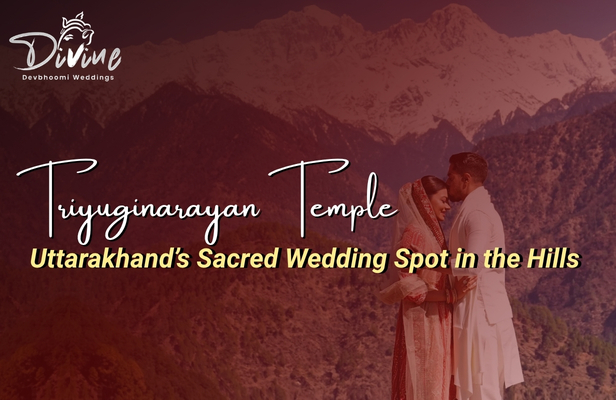
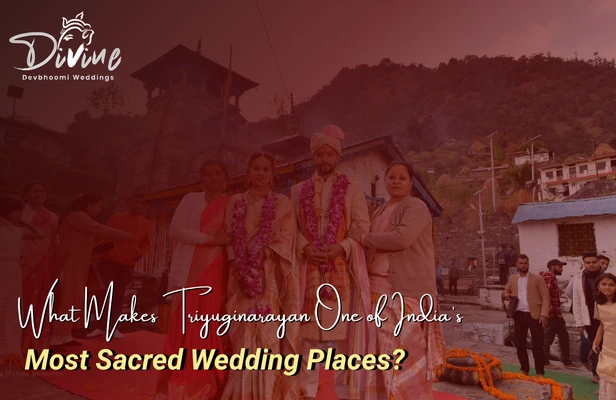
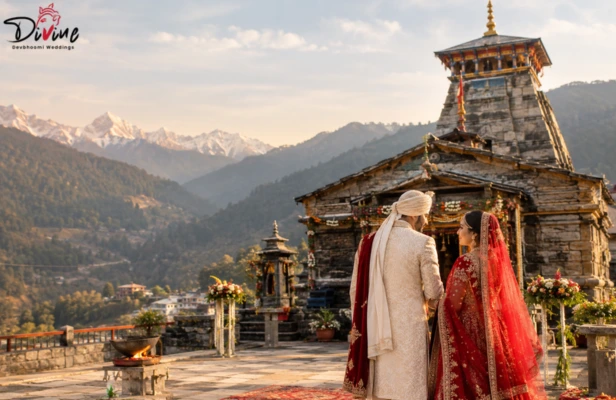
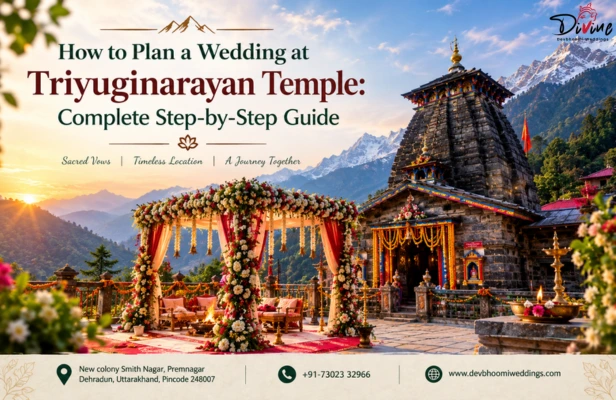
Triyuginarayan Temple sits quietly in the Garhwal Himalayas of Uttarakhand, revered as the sacred site where Lord Shiva and Goddess Parvati are believed to have been married, with an eternal flame said to have burned as a witness ever since. Because of this deep spiritual significance — and because the temple itself is a small, ancient stone structure rather than a sprawling event venue — most couples choose to keep their guest list intimate. This isn't a limitation to be disappointed by; it's actually what makes a Triyuginarayan destination wedding so meaningful. In this guide, we'll walk through exactly how many people are allowed in Triyuginarayan Temple for a wedding, why the limits exist, how to plan around them, and how expert planners handle logistics for every guest count.


How Many People Are Allowed in Triyuginarayan Temple for a Wedding?


Featured Snippet Answer: Triyuginarayan Temple typically allows 20–50 guests to comfortably attend a wedding ceremony inside the temple courtyard. Larger weddings of 70–100+ guests are possible, but the core rituals usually involve a smaller group, while additional guests join receptions or celebrations at nearby hotels and banquet venues.


The temple's guest capacity isn't governed by a single fixed number printed in a rulebook — it's shaped by a combination of physical space, religious protocol, and practical safety considerations. A few realities define the answer:

  • Typical guest capacity: Most weddings here involve 20–50 close family members and friends inside the temple premises during the actual pheras (rounds) and rituals.
  • Why intimate weddings are encouraged: The temple's sanctity and the intimacy of the rituals are better preserved with a smaller gathering.
  • Temple premises limitations: The courtyard and inner mandap area are compact, built for pilgrimage rather than large events.
  • Crowd management: Triyuginarayan remains an active pilgrimage site, so temple authorities manage footfall carefully throughout the year.
  • Safety considerations: The mountain location, narrow access paths, and limited parking mean large crowds need extra coordination.
  • Religious decorum: Priests conducting the ceremony prefer a calm, uncrowded environment to perform rituals correctly.
  • Permissions for guest numbers: Local authorities and temple management may require advance notice of expected guest count, especially during peak wedding season.


Why Does Triyuginarayan Temple Have Guest Limits?

Understanding why these limits exist helps couples plan with the right mindset rather than viewing them as a hurdle.

  • Heritage temple: Triyuginarayan is an ancient temple with historical and architectural value that authorities are careful to preserve.
  • Sacred religious atmosphere: The site's spiritual weight — being the mythological wedding ground of Shiva and Parvati — calls for a reverent, uncrowded setting.
  • Limited temple courtyard: The physical footprint of the temple simply cannot host hundreds of people at once.
  • Preservation of historical monument: Heavy footfall and large gatherings can accelerate wear on ancient stone structures.
  • Pilgrim movement: Regular pilgrims and visitors continue to visit even during wedding season, so space must be shared respectfully.
  • Temple administration rules: Local priests and temple committees oversee bookings and may set informal guidance on group sizes.
  • Comfortable wedding experience: A smaller crowd means better visibility of rituals, more personal blessings, and a smoother experience for the couple and their families.


Ideal Guest Count for a Triyuginarayan Destination Wedding


Choosing the right guest count is one of the most important decisions in planning your wedding. Here's how different sizes typically play out:


Small Wedding (20–30 Guests)

  • Advantages: Easiest to manage, most intimate ceremony experience, simpler accommodation and transport logistics, lower overall cost.
  • Challenges: Limited scope for large family gatherings or big celebrations.

Medium Wedding (40–60 Guests)

  • Advantages: Balances intimacy with a proper family celebration; still manageable within temple premises.
  • Challenges: Requires more careful accommodation booking and transport coordination.

Large Wedding (70–100 Guests)

  • Advantages: Allows for a fuller celebration with extended family and friends.
  • Challenges: Ceremony rituals may need to be split between a smaller core group at the temple and a larger reception elsewhere; accommodation and transport planning becomes more complex.

Extended Family Weddings

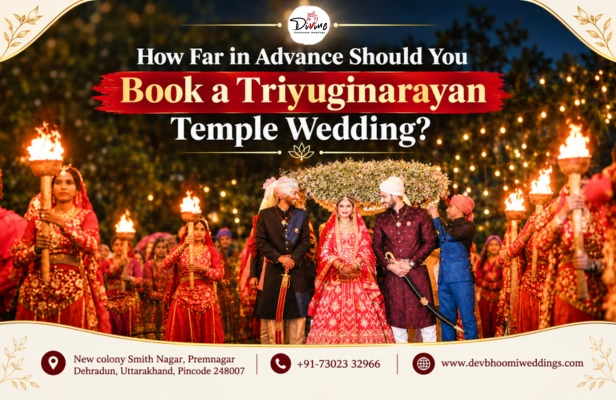
For very large extended families, the common approach is a small temple ceremony followed by a larger reception at a hotel or resort in nearby Sonprayag, Guptkashi, or Rudraprayag, allowing everyone to be part of the celebration without overcrowding the temple itself.


Factors That Decide Guest Capacity at Triyuginarayan Temple

Several variables influence exactly how many guests can be accommodated on your wedding day:

  • Temple permissions: Approval from temple management for your specific date and expected footfall.
  • Wedding season: Peak months see higher pilgrim traffic, which can affect available space.
  • Festival dates: Weddings scheduled near major festivals may face additional crowd restrictions.
  • Accommodation availability: Limited hotels and guest houses nearby cap how many guests can realistically stay overnight.
  • Transportation: Mountain roads and limited parking affect how many vehicles and guests can arrive comfortably.
  • Weather: Monsoon or winter conditions may reduce practical guest capacity due to accessibility concerns.
  • Wedding package selected: Different packages are designed around different guest counts and service levels.
  • Event management support: Professional planners can often coordinate slightly larger groups smoothly compared to unplanned arrangements.


Can You Invite More Than 100 Guests?

Yes — but with a layered approach:

  • Temple ceremony: The core rituals are usually kept to close family, even for larger weddings.
  • Hotel celebrations: Sangeet, reception, and dinner functions can be hosted at hotels or resorts in nearby towns with far greater capacity.
  • Nearby banquet setups: Some properties around Sonprayag and Guptkashi offer banquet-style spaces for bigger celebrations.
  • Reception arrangements: A separate reception allows friends and extended relatives who couldn't fit into the temple ceremony to still celebrate with the couple.
  • Guest rotation: For very large families, some couples arrange guests in shifts to visit the temple for blessings before or after the main ceremony.
  • Practical planning: With the right planner, a 100+ guest destination wedding is absolutely achievable — it just requires splitting the ceremony and celebration across venues.


How Devbhoomi Weddings Manages Guest Arrangements


Managing guest logistics for a Himalayan temple wedding takes local expertise, and this is where Devbhoomi Weddings plays a central role. Their end-to-end wedding management approach typically covers:

  • Guest coordination: Managing RSVPs, arrival schedules, and communication with families.
  • Accommodation booking: Reserving hotels, resorts, and guest houses in bulk to match your guest count.
  • Shuttle services: Organizing group transport for guests arriving by air or rail.
  • Hospitality desk: A dedicated point of contact to assist guests throughout their stay.
  • Invitation planning: Helping couples plan invitations around realistic guest capacity.
  • Seating arrangements: Coordinating seating for both the temple ceremony and any reception function.
  • Local support: On-ground teams familiar with temple protocols, priests, and permissions.
  • End-to-end wedding management: From the first phone call to the final farewell, handling every moving piece so couples can focus on the ceremony itself.

Accommodation Options Based on Guest Count

Accommodation availability near Triyuginarayan is one of the biggest practical factors shaping guest numbers.


Up to 30 Guests

Smaller groups can easily be accommodated in guest houses and homestays directly in Triyuginarayan village, offering a rustic, close-knit experience.


50 Guests

Mid-sized groups typically stay in a mix of guest houses and nearby hotels in Sonprayag, just a short drive away, offering slightly more comfort and amenities.


100 Guests

Larger groups usually spread across multiple hotels and resorts in Sonprayag, Guptkashi, or Rudraprayag, with group bookings arranged well in advance to secure enough rooms.

Options generally include:

  • Hotels
  • Resorts
  • Guest houses
  • Homestays
  • Luxury accommodation (limited but available in select nearby towns)
  • Group booking arrangements through your wedding planner

Transportation Planning for Wedding Guests

Getting guests to a mountain temple wedding requires careful transport planning:

  • Airport pickups: From Dehradun's Jolly Grant Airport, the nearest major airport.
  • Railway transfers: From Rishikesh or Haridwar railway stations.
  • Road travel: The final stretch to Triyuginarayan involves scenic but winding mountain roads.
  • Group buses: Ideal for medium-to-large guest groups traveling together.
  • Tempo travellers: A popular choice for smaller family groups needing flexibility.
  • Parking: Limited near the temple itself, so shuttle drop-offs are often arranged instead of guests driving directly to the venue.
  • Local transport: Coordination with local drivers familiar with mountain routes is essential for guest safety and comfort.

Wedding Cost Based on Number of Guests

While exact pricing varies by season, package, and specific requirements, here's a general sense of how cost factors scale with guest count:

Guest Count Approximate Budget Range Major Cost Factors
20–30 Varies Accommodation, rituals, decor
40–60 Varies Catering, transport
70–100 Varies Logistics, stay, hospitality


Devbhoomi Weddings offers structured packages designed around different guest counts, ceremony styles, and levels of service, including:

You can explore all available options on the Devbhoomi Weddings packages 


Tips to Manage Wedding Guests at Triyuginarayan Temple

  • Keep your guest list intimate wherever possible.
  • Book accommodation early — rooms near Triyuginarayan are limited.
  • Arrange transportation in advance for airport, rail, and road transfers.
  • Inform guests about mountain weather so they pack appropriately.
  • Hire experienced planners familiar with local temple protocols.
  • Follow temple guidelines on timing, dress code, and ritual conduct.
  • Coordinate ceremony timings with the temple's priests well ahead of the date.
  • Reserve nearby hotels in advance, especially during peak wedding season.

Best Time for a Triyuginarayan Destination Wedding with Guests

  • Spring (March–April): Pleasant weather, blooming landscapes, and easier accessibility make this a popular choice.
  • Summer (May–June): Comfortable temperatures and good road conditions, though it's peak tourist season, so book accommodation early.
  • Autumn (September–November): Clear skies, crisp mountain air, and excellent photography conditions, with slightly fewer crowds than summer.

Each season affects guest comfort, accessibility, and photography quality differently, so factor in your guests' travel tolerance and the region's peak season crowd when picking your date.


Wedding Planning Timeline for Different Guest Sizes

  1. 8–10 months before: Finalize guest count, select your wedding package, and confirm the temple date.
  2. 6 months before: Book accommodation blocks and begin sending invitations.
  3. 4 months before: Confirm transportation arrangements and finalize vendor bookings (decor, catering, photography).
  4. 2 months before: Send final headcounts to your planner and accommodation providers.
  5. 30 days before: Confirm shuttle schedules, seating plans, and last-minute guest changes.
  6. Wedding week: Guest arrivals, welcome coordination, rehearsal, and final logistics checks.

Common Mistakes Couples Make While Planning Guest Lists

  • Inviting too many people without confirming temple capacity first.
  • Ignoring accommodation availability until it's too late to book.
  • Late bookings for hotels, transport, or vendors during peak season.
  • Underestimating transport planning for mountain routes.
  • Making weather assumptions without informing guests properly.
  • Budget miscalculations that don't scale correctly with guest count.

Conclusion


So, how many people are allowed in Triyuginarayan Temple for a wedding? The honest answer is that it depends on temple guidelines, seasonal factors, and how well your wedding is planned — but most couples find that an intimate gathering of 20–50 guests offers the most meaningful, unhurried experience, while larger groups of 70–100+ can still be accommodated by splitting the ceremony and reception across the temple and nearby venues. An intimate wedding here isn't a compromise; it's an opportunity to be fully present at the sacred spot where Lord Shiva and Goddess Parvati are believed to have been married, with an eternal flame said to have witnessed their union ever since. With careful planning — and support from experienced local planners like Devbhoomi Weddings — couples of any guest count can create a wedding that feels both grand in meaning and grounded in tradition.


Frequently Asked Questions


How many people are allowed in Triyuginarayan Temple for a wedding?
Typically 20–50 guests can comfortably attend the ceremony inside the temple, though larger groups can celebrate through additional reception arrangements nearby.


What is the maximum guest capacity at Triyuginarayan Temple?
There's no single fixed maximum, but the temple courtyard realistically supports up to around 50–70 guests at a time for rituals.


Can I organize a wedding with 100 guests?
Yes, by keeping the core ceremony smaller and hosting a larger reception at a nearby hotel or resort.


Is there any restriction on wedding guests?
The temple doesn't publish a strict numerical rule, but practical space, safety, and religious decorum naturally limit large gatherings.


Can guests attend only the wedding ceremony?
Yes, guests can choose to attend just the temple rituals, the reception, or both, depending on how the celebration is structured.


Where do wedding guests stay near Triyuginarayan Temple?
Guests typically stay in guest houses, homestays, or hotels in Triyuginarayan village, Sonprayag, or Guptkashi, depending on group size.


Can large family weddings be organized?
Yes, with proper planning that separates the temple ceremony from a larger celebration elsewhere.


Does the temple require guest details before the wedding?
Temple management may request an expected headcount in advance, especially for larger groups or peak-season dates.


Are destination wedding packages available based on guest count?
Yes, planners like Devbhoomi Weddings offer packages tailored to different guest sizes and service levels.


Can Devbhoomi Weddings arrange accommodation and transport for all guests?
Yes, their end-to-end management covers accommodation booking, shuttle services, and on-ground coordination for guests of all group sizes.


Is parking available for wedding guests?
Parking near the temple is limited, so shuttle drop-offs are usually arranged instead of individual guest vehicles driving up.


What is the best guest size for a Triyuginarayan destination wedding?
Most couples find 20–50 guests offers the best balance of intimacy and manageable logistics.


Are children and elderly guests comfortable during the ceremony?
With proper planning — including transport support and nearby accommodation — children and elderly guests can attend comfortably, though the mountain terrain should be considered.


Can pre-wedding functions be arranged for large groups?
Yes, sangeet, mehendi, and other pre-wedding functions can be hosted at hotels or resorts with larger capacity than the temple itself.


How early should guest accommodation be booked?
Ideally 6 months in advance, especially for weddings during peak season (spring, summer, and autumn months).