
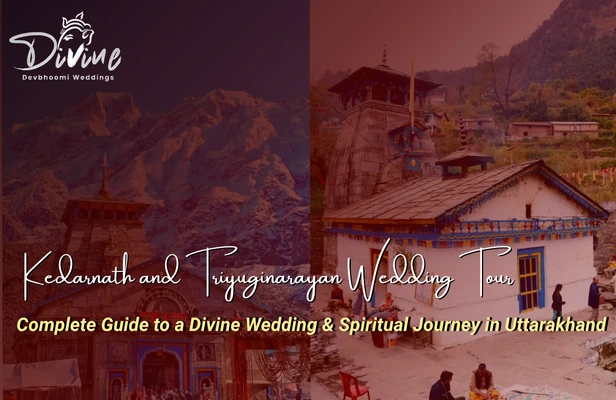
A Kedarnath and Triyuginarayan Wedding Tour is fast becoming one of the most sought-after ways for Hindu couples to begin married life – by combining a sacred Himalayan pilgrimage with a wedding at the very place where Lord Shiva and Goddess Parvati were married. Set deep in the mountains of Uttarakhand, this journey blends devotion, tradition, and natural grandeur into a single unforgettable experience. Couples today are increasingly drawn to weddings that feel meaningful rather than merely grand, and few settings offer more meaning than Devbhoomi – the Land of the Gods. Kedarnath Temple, one of the twelve Jyotirlingas, radiates centuries of faith, while Triyuginarayan Temple, only a short distance away, is revered as the eternal wedding venue of Shiva and Parvati, its Akhand Dhuni still burning after millennia. Together, they create a tour that is equal parts pilgrimage and celebration. For couples seeking blessings, families seeking tradition, and travellers seeking the Himalayas at their most breathtaking, a Kedarnath and Triyuginarayan Wedding Tour offers something no conventional destination wedding can: divine sanction, spiritual depth, and scenery that turns every wedding photograph into a memory of the mountains themselves.
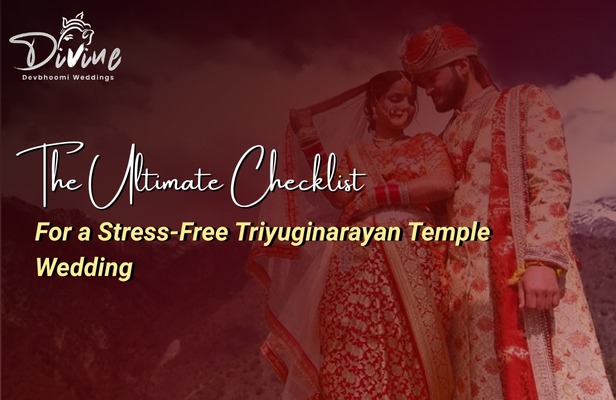
Choosing a Kedarnath and Triyuginarayan Wedding Tour means choosing a wedding that is anchored in devotion rather than display. Instead of a banquet hall, the couple exchanges vows beside the Akhand Dhuni, the sacred fire believed to have witnessed the wedding of Shiva and Parvati. Instead of a distant honeymoon, the pilgrimage to Kedarnath becomes part of the wedding story itself – a shared journey of faith undertaken together before the couple begins their life as one. This combination of pilgrimage and matrimony is rare, deeply personal, and increasingly popular among couples who want their wedding to mean something beyond the celebration.
Modern weddings are increasingly moving away from purely ornamental celebrations towards experiences that carry personal and spiritual weight, and a Triyuginarayan Destination Wedding fits that shift perfectly. Rather than spending a large budget on temporary decor that is dismantled within a day, couples invest that same energy into a journey that leaves a lasting spiritual imprint – one that guests remember not for the size of the stage, but for the mountains, the temple bells, and the shared sense of devotion that surrounded the vows. For many families, this also reframes the entire wedding as an act of pilgrimage undertaken together, deepening bonds between both sides of the family long before the couple begins their married life.
There is also a practical dimension to this choice. A Kedarnath Wedding Tour Package naturally limits the guest list to those who are genuinely willing to undertake a Himalayan journey, which tends to produce a smaller, more intimate gathering of people who matter most. This intimacy, combined with the grandeur of the setting, is precisely why an increasing number of couples – including NRIs returning to their roots and spiritually inclined families – are choosing this route over conventional banquet-hall weddings.
Kedarnath Temple stands among the twelve Jyotirlingas of Lord Shiva, the most sacred shrines in Hinduism where Shiva is worshipped in the form of a lingam of light. Perched at over 3,500 metres in the Garhwal Himalayas, the temple has drawn pilgrims for centuries, its stone walls having withstood earthquakes, snow, and even the 2013 floods. Visiting Kedarnath is considered one of the most powerful acts of devotion a Hindu can undertake, and it forms a core part of the Char Dham Yatra. For couples, beginning married life with a visit to Kedarnath is seen as an invocation of Shiva's blessings for strength, stability, and spiritual grounding in their union.
Beyond its religious weight, a journey to Kedarnath is also a test of endurance and devotion, involving either a trek of roughly sixteen kilometres from Gaurikund or a scenic helicopter ride over the Mandakini valley. Pilgrims describe the moment the temple first comes into view, framed by snow-capped peaks, as deeply moving – an experience that couples say sets an emotional and spiritual tone for the wedding that follows. Many priests and pandits also recommend that couples perform a Rudrabhishek or a simple puja at Kedarnath before proceeding to Triyuginarayan, treating the Jyotirlinga darshan as an invocation of blessings that carries forward into the wedding ceremony itself.
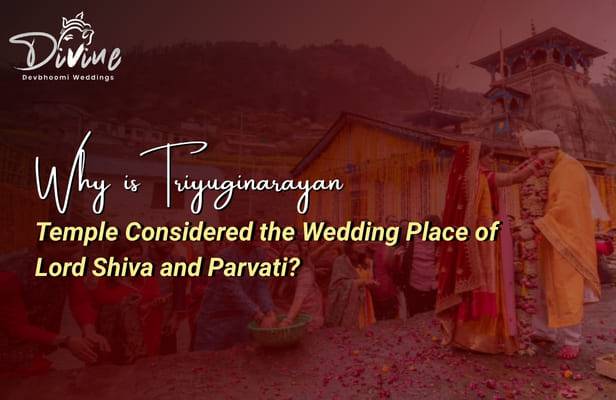
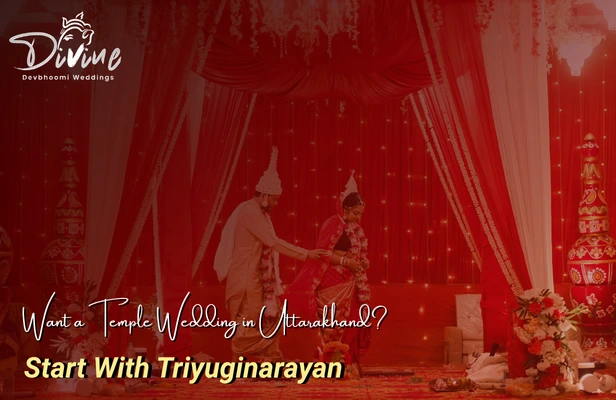
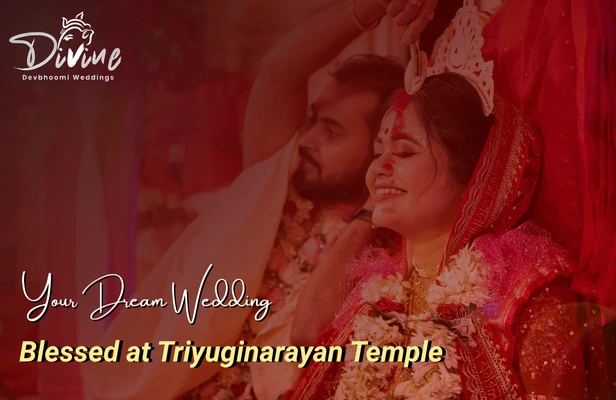
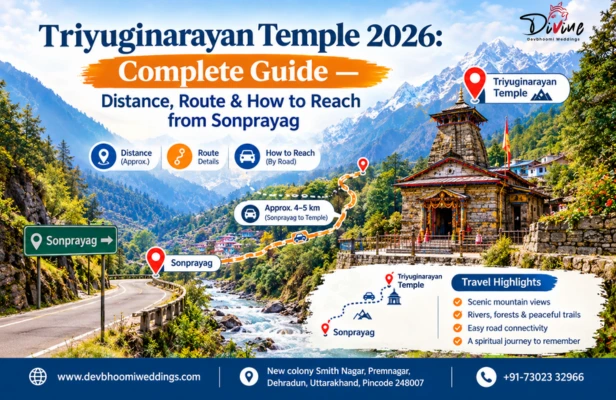
Triyuginarayan Temple, located near Sonprayag, is believed to be the exact site where Lord Vishnu presided as witness over the wedding of Lord Shiva and Goddess Parvati. The temple's name itself means “the Narayan who witnessed three ages,” referring to the eternal flame, the Akhand Dhuni, that has reportedly burned continuously since that celestial wedding. Pilgrims and couples circle this sacred fire while taking their own wedding vows, and many carry a small portion of its ash home as a blessing. This makes Triyuginarayan Temple wedding rituals uniquely symbolic – a couple isn't simply performing a Hindu marriage ceremony, they are performing it at the mythological origin point of marriage itself.
The temple courtyard itself is modest in size, built in traditional Katyuri architectural style, with a small kund nearby known as Brahma Kund, where it is said Lord Brahma bathed before the celestial wedding rituals began. Local priests, many from families who have served the temple for generations, guide couples through each stage of the ceremony and are well accustomed to organising weddings for visiting families, including NRI couples unfamiliar with the finer points of Vedic ritual. Because the temple can only accommodate a limited number of ceremonies each day, couples are strongly advised to confirm their preferred date and time slot several weeks, if not months, in advance, particularly if the wedding falls during the peak spring or autumn season.
Local folklore adds further depth to the temple's significance: it is said that Lord Brahma himself performed the duties of the priest during Shiva and Parvati's wedding, while the Saptarishis, the seven sages, were present as guests. This lineage of divine participants is part of why couples marrying here often describe a sense of being connected not just to Hindu tradition in the abstract, but to a very specific, storied event that the temple keeps alive through its unbroken flame and its unchanged rituals.
A well-paced Kedarnath and Triyuginarayan wedding tour package typically spans six to eight days, allowing time for travel, acclimatisation, the Kedarnath darshan, and an unhurried wedding ceremony. Below is a sample day-wise itinerary that most experienced planners recommend.
This itinerary can be extended for guests who wish to include Chopta and Tungnath, or shortened for couples using helicopter services to Kedarnath to save two full trekking days.
Families travelling with elderly members or young children often prefer to add an extra acclimatisation day in Guptkashi before proceeding towards Kedarnath, since the altitude gain can otherwise feel abrupt. Similarly, brides and grooms who wish to keep their wedding attire and jewellery in pristine condition for the Triyuginarayan ceremony typically schedule the Kedarnath trek first, changing into wedding clothes only after returning to lower altitude. Wedding planners with local experience can adjust this itinerary around specific ritual timings (muhurats) chosen by the family's priest, ensuring the Pheras take place during an astrologically auspicious window.
Planning a Triyuginarayan Temple wedding alongside a Kedarnath pilgrimage requires coordination well beyond a typical destination wedding, since both religious protocol and mountain logistics come into play. The following steps outline a practical planning process.
Beyond these eight steps, couples should also factor in the emotional pacing of the trip. A pilgrimage followed almost immediately by a wedding ceremony can be physically demanding, so building in rest periods between the Kedarnath darshan and the Triyuginarayan rituals helps both the couple and elderly guests arrive at the ceremony feeling composed rather than exhausted. Many experienced planners recommend a full day of rest in Guptkashi between the two events specifically for this reason, using the time for pre-wedding rituals such as Haldi or a simple family puja.
The overall cost of a Kedarnath and Triyuginarayan wedding tour package depends on group size, season, choice of accommodation, and whether helicopter services are used for the Kedarnath leg. While exact prices vary by year and operator, the table below outlines the major cost components couples should budget for.
|
Cost Component |
What It Covers |
Key Factors Affecting Price |
|
Transportation |
Vehicles from Dehradun/Haridwar, inter-city transfers, guest transport |
Group size, vehicle type, distance, road conditions |
|
Helicopter Services (optional) |
Aerial transfer to Kedarnath for the couple/guests |
Season, seat availability, weather-dependent scheduling |
|
Accommodation |
Hotels, guest houses, or camps in Guptkashi, Sonprayag, and near Kedarnath |
Number of nights, room category, group size |
|
Wedding Arrangements |
Temple booking, priest coordination, ritual items |
Complexity of rituals, number of ceremonies |
|
Decoration |
Floral and traditional decor for ceremony and reception |
Scale of decoration, materials used |
|
Catering |
Meals for family and guests during the tour |
Number of guests, menu type, number of days |
|
Photography |
Wedding and pilgrimage photography/videography |
Duration, drone use, number of photographers |
|
Priest Charges |
Vedic rituals, mantras, and puja materials |
Number of ceremonies performed |
|
Guest Count |
Overall multiplier across accommodation, transport, catering |
Total number of travelling guests |
Rather than quoting fixed figures that change with season and vendor, couples are advised to request a detailed, itemised quotation from their chosen wedding planner once the guest count and travel dates are finalised. It also helps to ask any prospective planner for a transparent, line-item breakdown rather than a single bundled figure, since this makes it far easier to identify where costs can be trimmed – for instance, by reducing helicopter seats, choosing simpler decor, or adjusting the number of nights spent in higher-category accommodation.
A few cost-planning principles apply regardless of the exact numbers involved. First, group bookings for both accommodation and transport nearly always work out cheaper per person than individual arrangements, so finalising the guest list early pays off financially as well as logistically. Second, helicopter services, while convenient, are priced per seat and subject to seasonal surges, so couples on a tighter budget may choose to reserve helicopter transfers only for elderly guests or the bride and groom, while younger, fitter guests undertake the trek. Third, decor and catering costs in this region are naturally more modest than in a metro city, since local vendors specialise in simpler, mountain-appropriate arrangements – which suits the intimate, spiritual character of this kind of wedding rather than working against it.
A Triyuginarayan Temple wedding follows a traditional Vedic sequence, performed with the sacred Akhand Dhuni at its centre. Each ritual carries deep symbolic meaning for the couple.
Most of these rituals mirror a standard Hindu wedding ceremony, but their significance is amplified by the setting itself. Reciting the same Vedic mantras that, according to tradition, were once recited at the very same spot for Shiva and Parvati gives the ceremony a continuity that many couples describe as profoundly moving. Families are encouraged to discuss the exact sequence and duration of rituals with the temple priest in advance, as some couples choose to keep the ceremony brief and intimate, while others prefer a fuller, more elaborate Vedic wedding lasting several hours.
Since rooms near both sites are limited, especially during peak wedding season, group bookings should be confirmed at least two to three months ahead of the travel dates.
For larger weddings involving twenty or more guests, it is often more efficient to block an entire small hotel or guest house rather than scattering the group across multiple properties, as this simplifies coordination for meals, transport pickups, and pre-wedding rituals. Families travelling with young children or older relatives should specifically ask about rooms with attached bathrooms, reliable heating, and ground-floor access, since many mountain guest houses are built across multiple levels without elevators. Experienced wedding planners typically maintain relationships with a shortlist of trusted properties in both Guptkashi and Sonprayag and can negotiate group rates that are difficult for individual travellers to access on their own.
Spring marks the opening of Kedarnath Temple after winter closure. Weather is pleasant, trails are freshly accessible, and the surrounding hills are lush and green, making it ideal for wedding photography, though this is also peak pilgrimage season with higher crowds.
Summer coincides with the monsoon in Uttarakhand, bringing landslide risk and unpredictable road closures. While the hills look stunning, couples planning a wedding tour in this window should build in extra buffer days and monitor weather advisories closely.
Autumn is widely considered the best season for a Kedarnath and Triyuginarayan wedding tour. Skies are clear, temperatures are moderate, crowd levels drop after the monsoon, and the mountains offer their most dramatic, photogenic views before the temple closes for winter in November.
It is worth noting that Kedarnath Temple closes completely for the winter months, typically from mid-November until late April, when the deity is ceremonially moved to Ukhimath. Couples must plan their wedding tour strictly within the temple's open season, and should always reconfirm exact opening and closing dates for the specific year, as these are set annually by the temple committee based on weather and astrological calculations rather than a fixed calendar.
The nearest airport is Jolly Grant Airport in Dehradun, well connected to Delhi and other major Indian cities. From here, it is roughly a 6–7 hour drive to Guptkashi, the common base for both the Kedarnath yatra and the Triyuginarayan wedding.
Haridwar Railway Station and Rishikesh Railway Station are the closest major rail heads, both well connected to Delhi and other parts of India. From either station, private or shared vehicles are available for the onward mountain journey.
Guptkashi and Sonprayag are connected by well-travelled mountain roads from Delhi (approximately 440 km), Haridwar (around 220 km), Rishikesh (about 200 km), and Dehradun (roughly 210 km). Hiring a dedicated vehicle for wedding guests, rather than relying on shared transport, is strongly recommended for comfort and flexibility.
Guests travelling from outside Uttarakhand, particularly NRI couples and international visitors, should also budget extra travel time between international flights and the onward journey to Dehradun, since delays at this stage can cascade through an otherwise tightly planned mountain itinerary. Building in a one-night stay in Dehradun both before departure and after return, rather than attempting same-day connections, significantly reduces the risk of missed temple bookings or wedding time slots.
Coordinating a wedding at a remote Himalayan temple alongside a physically demanding pilgrimage involves far more moving parts than a conventional destination wedding. Devbhoomi Weddings specialises in exactly this kind of end-to-end planning, bringing local expertise to every stage of the journey.
What sets a specialised planner apart in this region is familiarity with the unpredictability of mountain travel. Road closures due to landslides, sudden weather changes affecting helicopter schedules, or last-minute shifts in temple availability are common realities of planning any event in the Himalayas. Devbhoomi Weddings' local presence means contingency plans are already built into the itinerary, and on-ground coordinators can respond immediately if plans need to change, rather than families having to manage such disruptions from afar. This local knowledge, built over repeated seasons of organising weddings in the region, is often the single biggest factor separating a smooth wedding tour from a stressful one.
Extending the wedding tour with nearby sightseeing gives guests more to experience and adds to the overall sense of occasion.
Together, these destinations turn the Kedarnath and Triyuginarayan wedding tour into a fuller Himalayan experience, rewarding guests who travel the extra distance for the celebration. Couples with a day or two of buffer time in their itinerary often use it for a short excursion to Chopta and Tungnath, where sunrise views over the snow-clad peaks provide some of the most striking wedding photographs of the entire trip. Families looking for a quieter, more reflective pause between the pilgrimage and the wedding sometimes prefer Ukhimath instead, where the slower pace and historic temple offer a calm setting for rest and reflection.
A Kedarnath and Triyuginarayan Wedding Tour brings together devotion, tradition, and celebration in a way few destination weddings can match. Beginning married life with blessings from Kedarnath and vows exchanged beside the eternal flame at Triyuginarayan gives couples a foundation rooted in faith as much as in love. Careful planning – from choosing the right season and booking temple slots early, to arranging comfortable accommodation and reliable transport – makes the difference between a stressful trip and a seamless spiritual celebration. Working with experienced wedding planners who understand both mountain logistics and temple protocol allows couples and their families to focus on what matters most: the ceremony itself. For those seeking a wedding that is intimate, sacred, and unforgettable, few journeys compare to marrying at the very place where Lord Shiva and Goddess Parvati were wed, with the blessings of Kedarnath carried into every year of married life that follows. A well-planned Kedarnath and Triyuginarayan Wedding Tour is, in every sense, a celebration of both love and faith.
1. What is included in a Kedarnath and Triyuginarayan Wedding Tour?
A typical package includes travel and transfers, accommodation, Kedarnath darshan arrangements, Triyuginarayan Temple wedding coordination, priest and ritual arrangements, and often decor, catering, and photography, depending on the package chosen.
2. Can we visit Kedarnath before the wedding ceremony?
Yes, most itineraries are designed so the couple completes the Kedarnath darshan first and then proceeds to Triyuginarayan Temple for the wedding, treating the pilgrimage as a spiritual preparation for the marriage.
3. How many days are required for the complete wedding tour?
Most couples plan for six to eight days in total, covering travel to and from Dehradun, the Kedarnath yatra, the wedding ceremony, and a buffer day for weather or rest.
4. What documents are required for a Triyuginarayan Temple wedding?
Couples typically need valid government-issued identification, and depending on current regulations, biometric registration for the Kedarnath Yatra. It's best to confirm exact requirements with the temple committee or wedding planner closer to the travel date.
5. What is the best time to plan this wedding tour?
Autumn, from September to October, is generally considered the best time, offering clear skies, moderate temperatures, and lighter crowds compared to the peak spring season.
6. Can international couples book this wedding package?
Yes, NRI and international couples regularly plan weddings here. They should account for additional travel time, visa requirements, and altitude acclimatisation when finalising their itinerary.
7. Is helicopter service available for Kedarnath?
Yes, helicopter services operate seasonally between Guptkashi/Sirsi/Phata and Kedarnath, offering a faster alternative to the trek, though seats are limited and subject to weather conditions.
8. How much does a Kedarnath and Triyuginarayan Wedding Tour cost?
Costs vary widely based on guest count, season, accommodation category, and whether helicopter services are used. It's best to request a customised, itemised quote from a wedding planner based on your specific requirements.
9. Can Mehendi and Haldi ceremonies be organized nearby?
Yes, pre-wedding ceremonies like Mehendi and Haldi can be arranged in Guptkashi or Sonprayag, typically the evening before the main Triyuginarayan Temple wedding.
10. Is photography allowed during the temple wedding?
Photography is generally permitted in the temple courtyard and around the Akhand Dhuni, though restrictions may apply inside the inner sanctum. It's advisable to confirm current guidelines with temple authorities beforehand.
11. Are customized wedding tour packages available?
Yes, most wedding planners, including Devbhoomi Weddings, offer customised packages based on guest count, budget, accommodation preferences, and whether helicopter transfers are required.
12. Can family members join the pilgrimage and wedding together?
Absolutely. In fact, most couples prefer to have close family accompany them on both the Kedarnath pilgrimage and the Triyuginarayan wedding, making the entire journey a shared family experience rather than just the couple's alone. Grandparents and elderly relatives who cannot manage the Kedarnath trek often join directly at Triyuginarayan for the wedding, while younger family members complete the full pilgrimage with the couple.
Planning a Kedarnath and Triyuginarayan Wedding Tour is ultimately about balancing devotion with practicality – respecting temple protocol and mountain conditions while still creating a celebration that feels warm, personal, and joyous for everyone involved. With the right preparation, the right season, and the right local partner, this journey becomes far more than a wedding; it becomes a shared pilgrimage of faith that couples and their families carry with them for the rest of their lives.



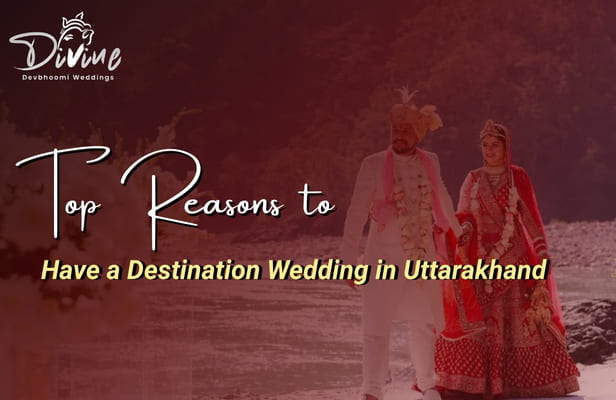
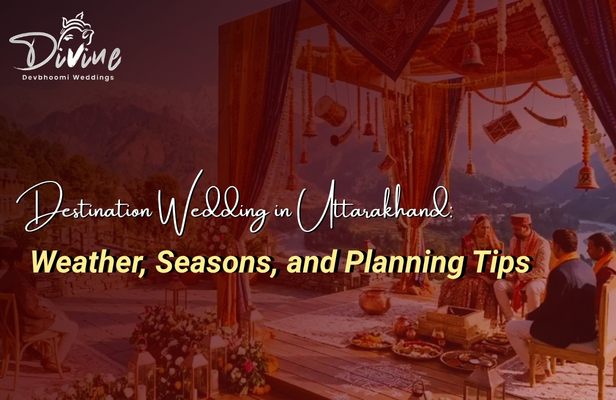
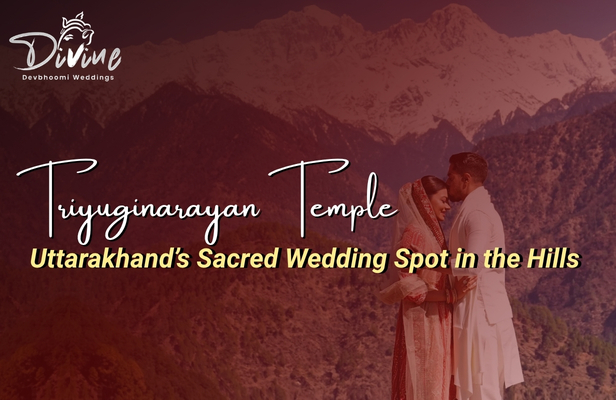
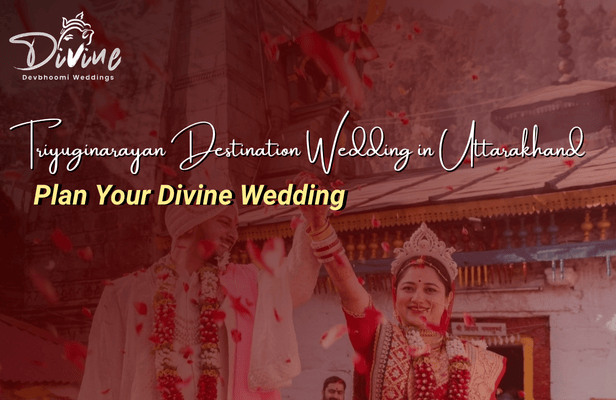
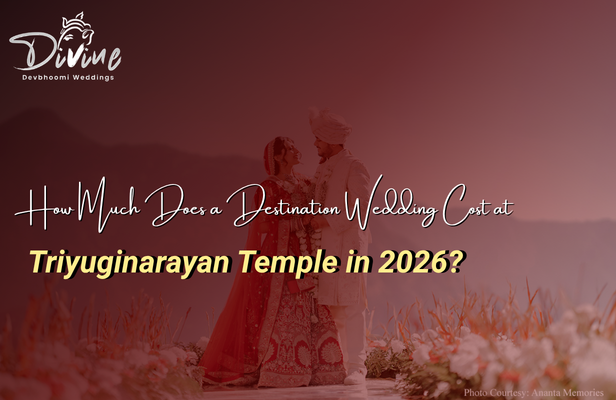

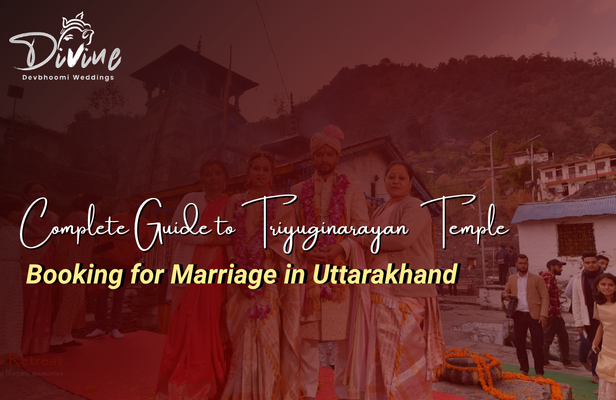
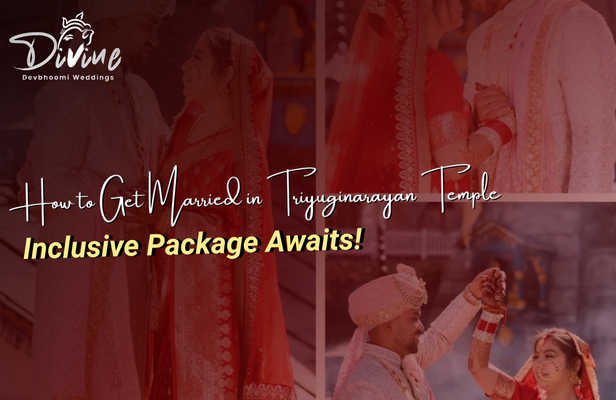



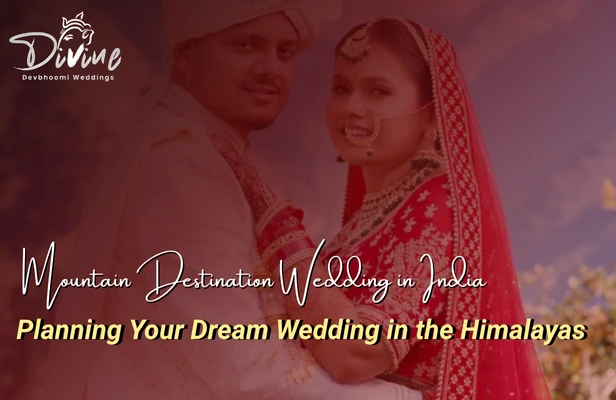


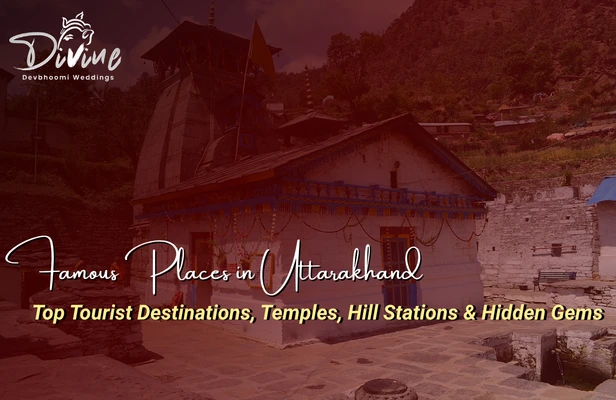
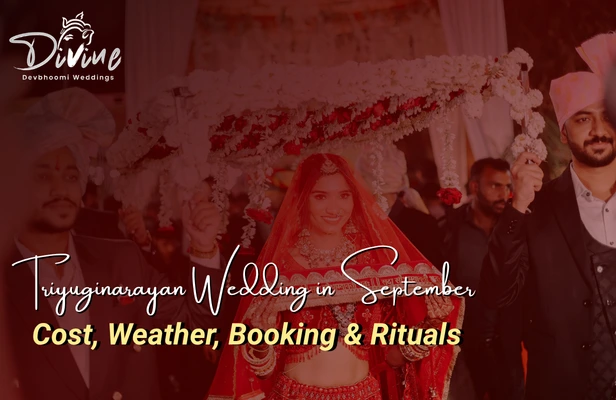
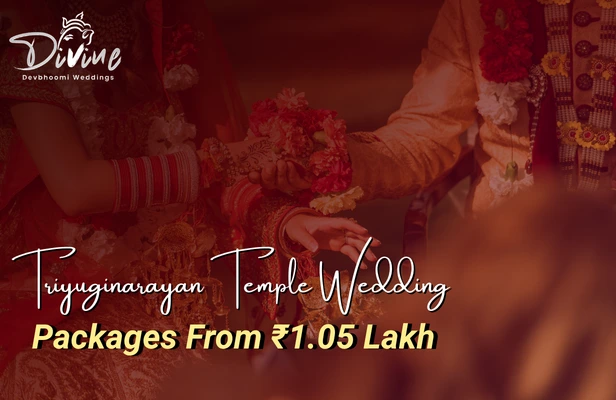
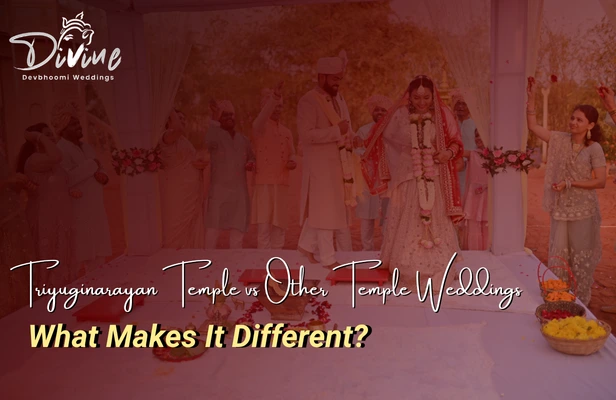
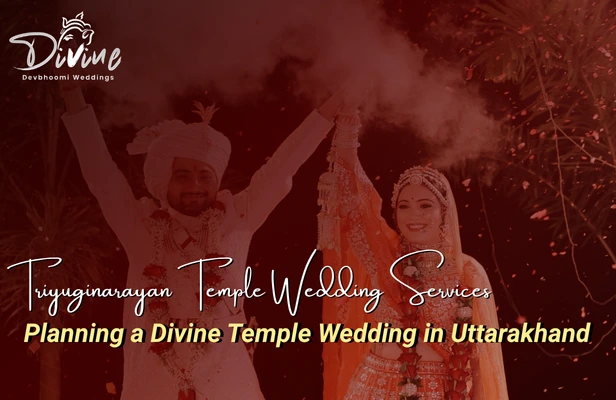

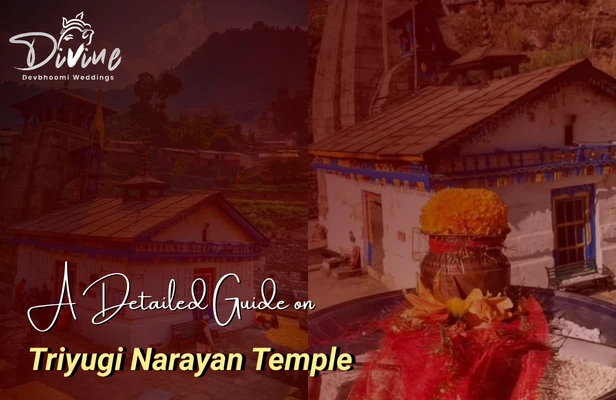
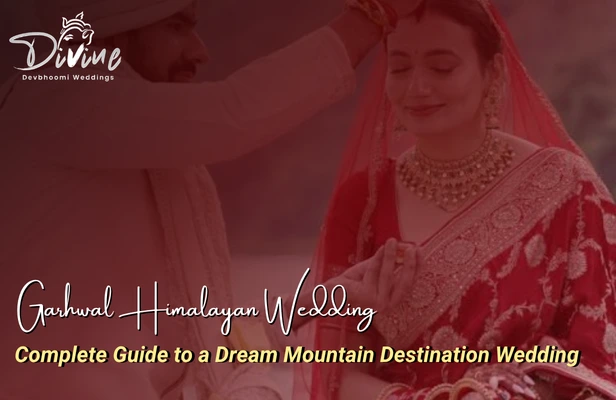
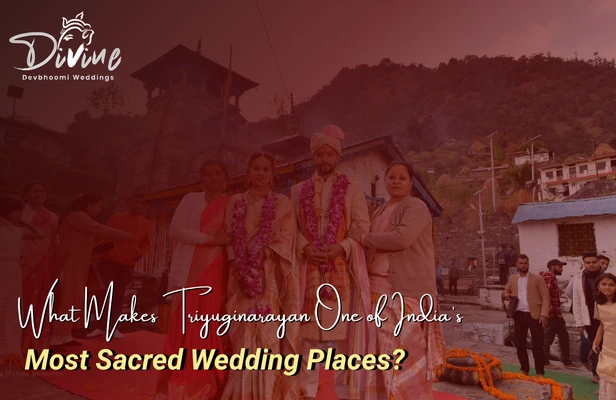
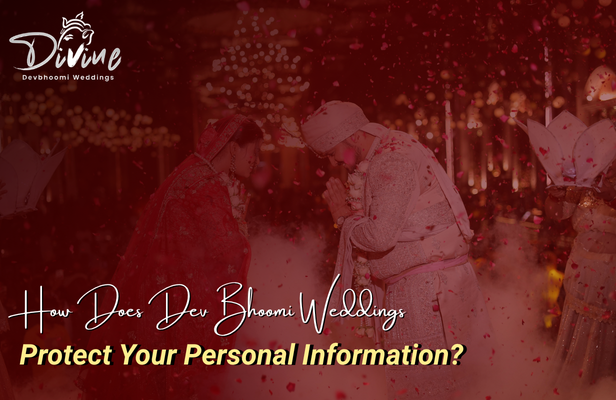
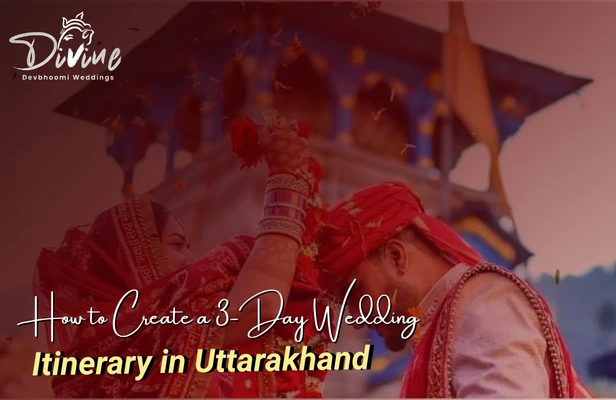



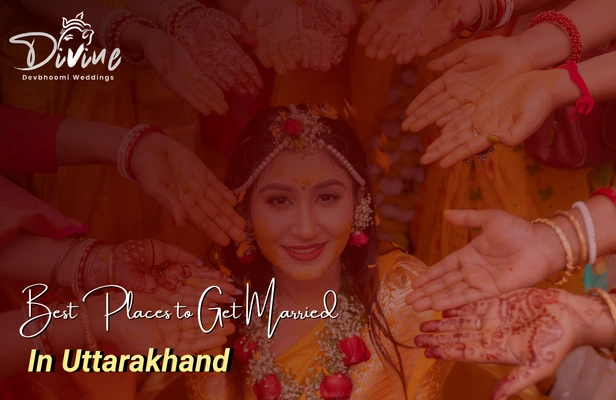
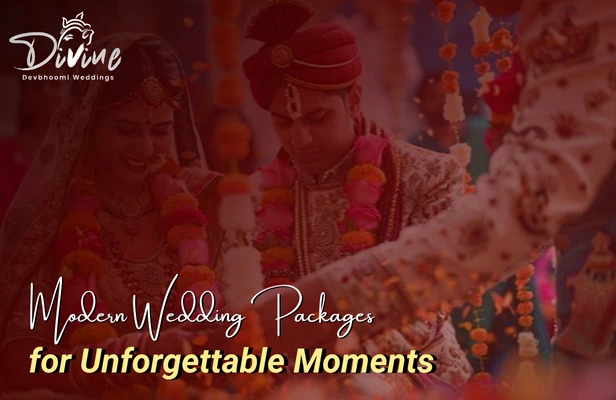
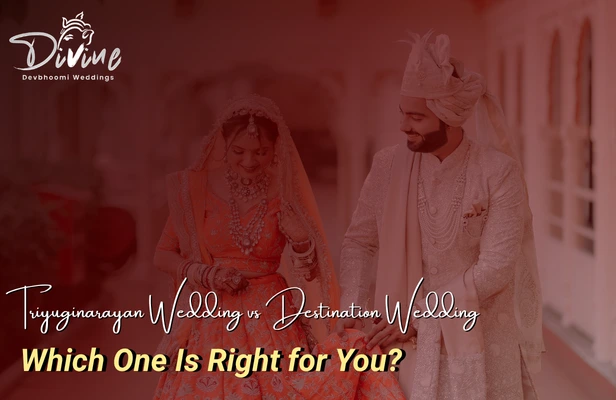
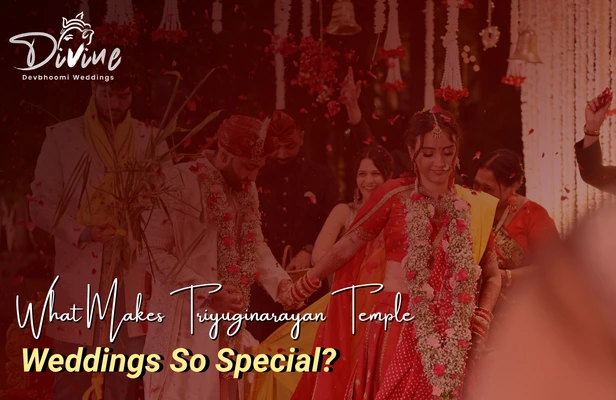





From pre-wedding celebrations to grand wedding days, we provide end-to-end services for all functions.
Copyright © 2024 | All Rights reserved by Divine Dev Bhoomi | Designed & Developed by Edtech Innovate Pvt. Ltd.