

For millions of Hindu couples, marriage is not just a social contract but a sacred bond blessed by the divine. This is exactly why a temple wedding in India continues to hold deep spiritual and emotional value, even as grand banquet-hall weddings dominate modern trends. Getting married inside an ancient shrine — with the sound of temple bells, Vedic chants, and centuries of devotion surrounding you — creates a wedding ceremony that feels timeless rather than trendy.
A temple wedding offers several advantages over a conventional venue wedding:
This growing interest is why searches like temple wedding in India and best temple for marriage in India have surged, especially among couples planning a 2026 wedding who want something meaningful, photogenic, and rooted in tradition.
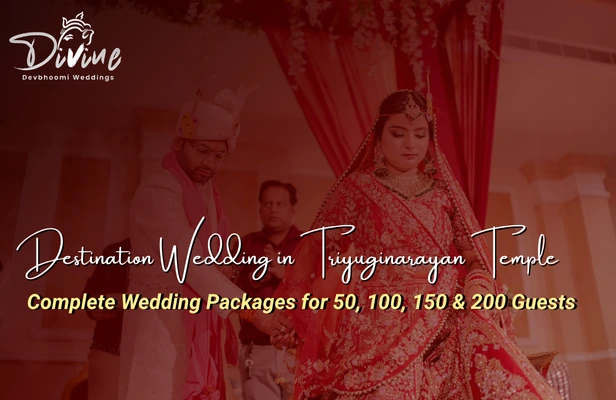
If you're searching for the single most iconic answer to "which temple is best for marriage in India," it is widely agreed to be Triyuginarayan Temple in Uttarakhand. According to Hindu mythology, this is the exact spot where Lord Shiva and Goddess Parvati wedding rituals were performed, with Lord Vishnu himself acting as the bride's brother during the ceremony.
However, "best" often depends on region, deity preference, and the kind of ceremony a couple wants. South Indian couples frequently prefer Meenakshi Amman Temple or Thirumanancheri Temple for marriage blessings, while devotees of Lord Krishna often choose Guruvayur Temple or an ISKCON Temple wedding. Below, we break down the top 15 temple wedding destinations in India so you can pick the one that matches your beliefs, budget, and location.
Here is a curated list of the most sought-after wedding places in India for a spiritual, temple-based Hindu ceremony:
Triyuginarayan Temple sits in the Rudraprayag district of Uttarakhand, at an altitude of around 1,980 metres, roughly 12 km from Kedarnath and close to the popular Char Dham route. Its name translates to "three ages" (Tri-Yug), referring to the belief that a sacred fire lit here during the wedding of Shiva and Parvati has been burning continuously since — known as the Akhand Dhuni.
This is precisely why the temple is considered the most authentic sacred wedding destination in India for couples who want their marriage to echo the very first divine union in Hindu scripture. Key highlights include:
Because of its remote mountain location, couples typically combine their visit with the Kedarnath or Char Dham circuit, making it both a spiritual pilgrimage and a memorable pre- or post-wedding trip.
Located in Madurai, Tamil Nadu, the Meenakshi Amman Temple is dedicated to Goddess Meenakshi (a form of Parvati) and Lord Sundareswarar (Shiva). Its towering, intricately carved gopurams make it one of the most visually striking temple wedding ceremony backdrops in South India.
The temple itself commemorates the divine wedding of Meenakshi and Sundareswarar, which is re-enacted every year during the famous Meenakshi Thirukalyanam festival. While the inner sanctum has restrictions for private wedding rituals, many couples hold blessing ceremonies and darshan-based rituals here before their main wedding function elsewhere in Madurai.
Thirumanancheri Kalyanasundareswarar Temple, near Mayiladuthurai in Tamil Nadu, is dedicated specifically to marriage blessings — its very name ("Thirumanam" means marriage) reflects this purpose. Mythology holds that Lord Shiva performed the wedding rituals of Lord Vishnu and Goddess Lakshmi at this site.
This temple is especially popular among:
The Guruvayur Temple in Kerala, dedicated to Lord Krishna (worshipped here as Guruvayurappan), is one of the most trusted venues for a traditional South Indian temple wedding ceremony. The temple administration has a structured, well-organized process for couples wanting to marry within its premises, complete with designated mandapams for the ceremony.
Guruvayur is particularly popular because it offers a genuinely affordable temple wedding cost in India, transparent booking procedures, and a deeply devotional atmosphere that many Malayali and South Indian families consider auspicious for starting married life.
ISKCON (International Society for Krishna Consciousness) temples — including branches in Bengaluru, Delhi, Mumbai, and Vrindavan — have become increasingly popular as a modern yet spiritual wedding venue. These temples combine Krishna-Radha devotion with clean, well-maintained event spaces, making them ideal for couples who want:
The Jagannath Temple in Puri, Odisha, is one of the Char Dham pilgrimage sites and holds immense religious importance. While the sanctum sanctorum has strict entry restrictions (non-Hindus are not permitted inside), Hindu couples can seek blessings and perform certain rituals within the temple complex before their formal wedding ceremony at a nearby venue.
Many couples choose Puri as a wedding places in India destination because it lets them combine the sacred energy of Jagannath with a beach-town celebration by the Bay of Bengal.
Beyond the featured temples above, several other iconic shrines are cherished for pre-wedding blessings, symbolic rituals, or heritage-style wedding photography:
One of the biggest advantages of a temple wedding is affordability. While costs vary by temple, region, and the scale of celebration, here is a rough guide:
|
Temple |
Approx. Basic Ceremony Cost (INR) |
What's Typically Included |
|
Triyuginarayan Temple |
₹5,000 – ₹15,000 |
Priest fee, basic rituals, fire ceremony access |
|
Guruvayur Temple |
₹3,000 – ₹10,000 |
Mandapam booking, priest, basic puja items |
|
Thirumanancheri Temple |
₹2,000 – ₹8,000 |
Marriage blessing ritual, priest fee |
|
ISKCON Temple |
₹10,000 – ₹40,000 |
Hall booking, decoration, priest, catering options |
|
Meenakshi Amman Temple |
₹2,000 – ₹6,000 (blessings only) |
Special darshan, blessing ritual |
Note: Prices are indicative for 2026 and can vary based on season, priest fees, photography, accommodation, and any additional rituals like Griha Pravesh or Satyanarayan Puja. Always confirm current rates directly with the temple trust before booking.
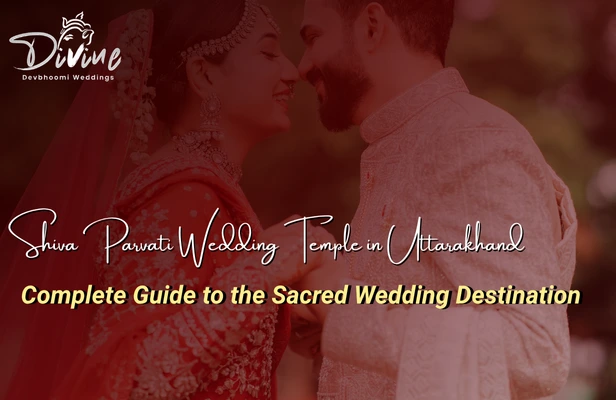
Read More - Shiva Parvati Wedding Temple in Uttarakhand
The booking process differs slightly by temple, but the general steps remain fairly consistent across most sacred wedding destinations in India:
For high-demand temples like Triyuginarayan or Guruvayur, it's wise to book several months ahead, particularly if your preferred date falls during a popular wedding season.
Most temples require basic documentation to confirm the couple's identity, age, and religious eligibility. Commonly requested documents include:
Remember that a temple wedding ceremony is a religious rite, not a legal registration. Couples must separately register their marriage under the Hindu Marriage Act (or applicable law) at the local marriage registrar's office to obtain a legal marriage certificate.
Timing matters both for weather and for auspiciousness. Here's a general guide:
1. Which temple is best for marriage in India?
Triyuginarayan Temple in Uttarakhand is widely regarded as the best and most sacred choice, since it is believed to be the actual site of Lord Shiva and Goddess Parvati's wedding. However, the "best" temple often depends on your region, deity of choice, and community traditions.
2. Can non-Hindus have a wedding at these temples?
Rules vary by temple. Some, like Jagannath Temple in Puri, restrict entry to Hindus only, while others may allow interfaith ceremonies with prior permission. It's best to confirm directly with the temple administration.
3. Is a temple wedding legally valid in India?
A temple wedding ceremony is religiously valid, but couples must still register their marriage with the local registrar under the applicable marriage law to receive a legally recognized marriage certificate.
4. How much does a temple wedding cost in India?
Costs typically range from a few thousand rupees for a simple ceremony at temples like Guruvayur or Thirumanancheri, up to higher amounts at heritage or high-demand temples once travel, priest fees, and rituals are included.
5. How far in advance should we book a temple wedding?
It's advisable to book at least 3–6 months in advance, especially for popular temples like Triyuginarayan or Guruvayur, where auspicious dates fill up quickly.
6. What documents are needed for a temple wedding?
Most temples require valid photo ID, proof of age, passport-size photographs, and sometimes a parental consent letter and witness details.
7. What is the best season for a temple wedding in Uttarakhand?
May–June and September–October are ideal, since temples like Triyuginarayan and Badrinath remain closed during the winter due to heavy snowfall.
Final thought: Whether you choose the mythological pull of Triyuginarayan, the grandeur of Meenakshi Amman, or the devotional simplicity of Guruvayur, a temple wedding in India offers something a banquet hall never can — a sense that your marriage is being witnessed and blessed by something far greater than the guest list.












































































From pre-wedding celebrations to grand wedding days, we provide end-to-end services for all functions.
Copyright © 2024 | All Rights reserved by Divine Dev Bhoomi | Designed & Developed by Edtech Innovate Pvt. Ltd.