

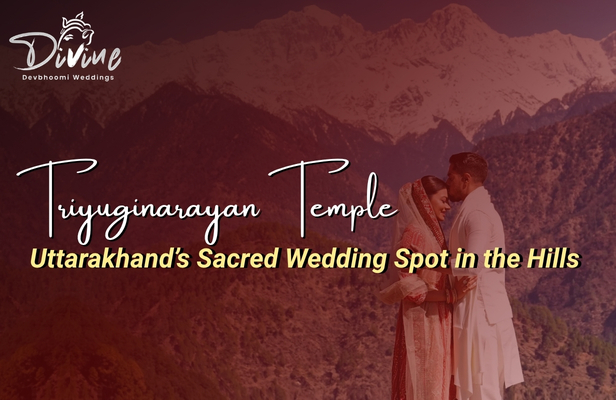
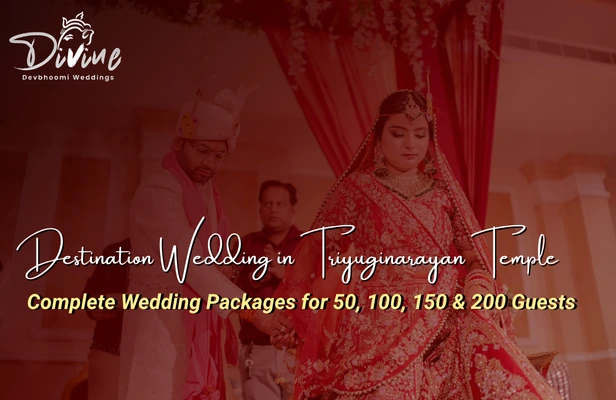
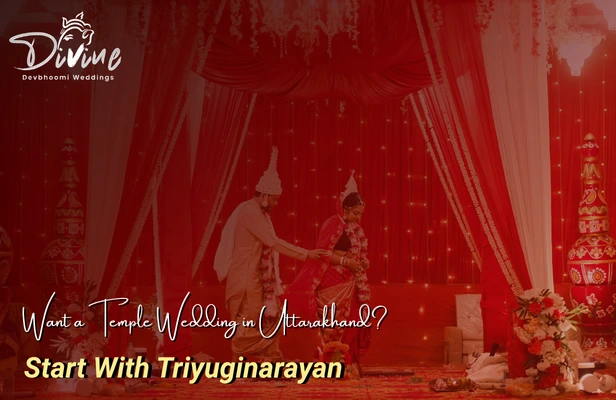
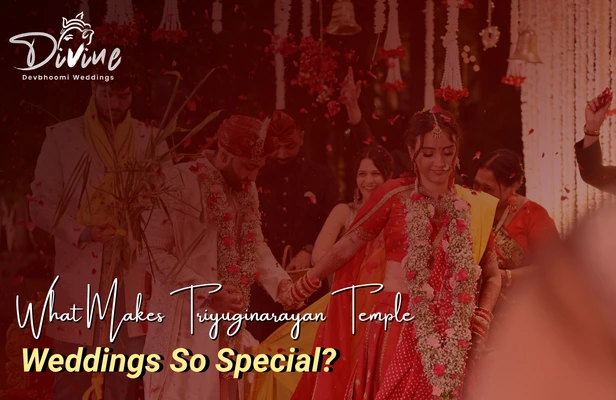
A Triyuginarayan Temple wedding with stay is fast becoming one of the most sought-after ways for couples to begin their married life in India. Nestled in the Himalayan region of Uttarakhand, Triyuginarayan is believed to be the sacred site where Lord Shiva and Goddess Parvati were married, making it a deeply meaningful venue for couples who want their own wedding rooted in tradition and spirituality. Beyond the ceremony itself, planning a wedding here means arranging travel, accommodation, food and rituals in a remote mountain location — which is why more couples are choosing complete packages that combine the temple wedding with organized guest stays nearby. This guide walks you through everything you need to know: the significance of the temple, how to plan the wedding step by step, what packages typically include, accommodation options, approximate cost factors, rituals, and practical travel tips — so you can plan a Triyuginarayan destination wedding with confidence.
Combining the wedding ceremony with an organized stay package solves many of the practical challenges of a mountain destination wedding.
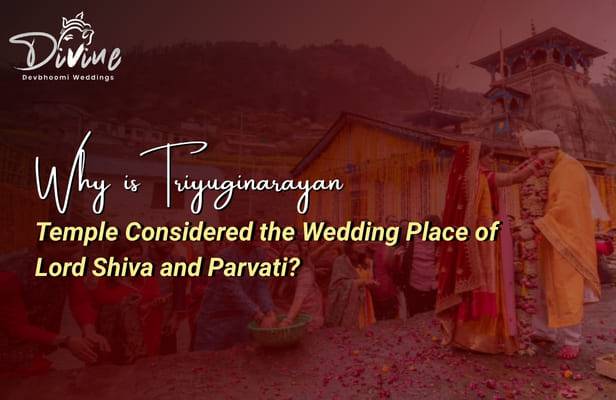
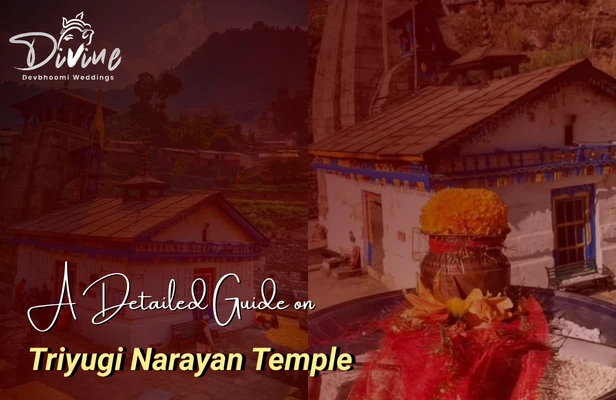
According to Hindu tradition, Triyuginarayan is the place where Lord Shiva and Goddess Parvati were married, with Lord Vishnu himself acting as the divine witness. The temple takes its name from this belief — “Tri-yugi-Narayan” referring to the three yugas (ages) across which the sacred fire here is said to have burned continuously.
Some of the elements couples associate with this belief include:
It’s important to note that these are matters of religious tradition and belief passed down through generations, rather than claims that can be independently verified as historical fact. That said, this belief is precisely what draws couples who want a wedding grounded in spiritual meaning rather than just visual grandeur.
A wedding at Triyuginarayan stands apart from a typical banquet hall or resort wedding in several ways:
Uttarakhand’s Himalayan foothills offer pine forests, mountain valleys and clear rivers as a natural setting — a backdrop that doesn’t need elaborate decoration to feel special.
Beyond Triyuginarayan, the wider Garhwal region is home to major pilgrimage sites such as Kedarnath and Guptkashi, reinforcing Uttarakhand’s identity as a spiritual destination for Hindu families.
A temple wedding in the mountains feels distinctly different from a conventional hotel or lawn wedding — quieter, more reflective, and centered on ritual rather than performance.
Guests can combine the wedding with sightseeing, short treks, and visits to nearby pilgrimage spots, turning a single-day event into a multi-day experience worth remembering.
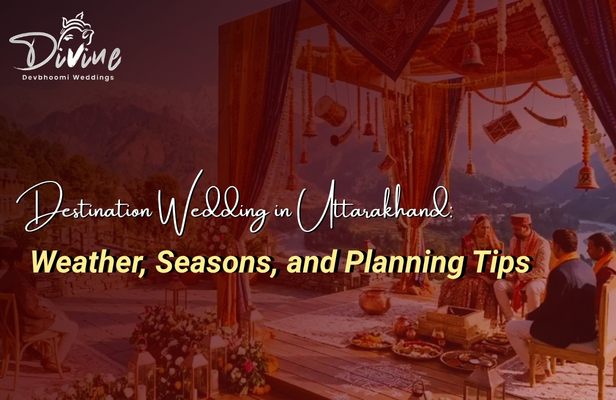
Weather plays a big role in the Himalayas. Summer and early autumn months are generally more accessible, while monsoon travel can be unpredictable and winters can bring snow and road closures. Always cross-check current seasonal conditions and temple availability before finalizing a date.
Every temple has its own booking process, ceremony timings and rules for outside weddings. Since these can change, couples should directly verify the latest requirements, permissions and any applicable procedures with the temple authorities or a trusted local planner before making firm commitments — rather than relying on assumptions from other couples’ experiences.
The number of guests you invite has a direct impact on:
Deciding on guest numbers early makes every other planning step easier.
Direct stay options near the temple itself can be limited, so many couples also look at nearby areas such as Guptkashi, which typically offers a wider range of hotels and guest houses. The right mix depends on group size, budget and how much travel time guests are comfortable with.
Getting to Triyuginarayan usually involves a combination of:
Planning transfers in advance avoids last-minute scrambling, especially for elderly guests or large groups.
Decoration for a temple wedding needs to respect the sanctity and rules of the premises. Common elements include:
Always confirm what is and isn’t permitted within the temple premises before finalizing décor plans.
Since it’s a temple setting, catering is generally vegetarian and often reflects Uttarakhand’s local cuisine alongside standard wedding menu items. Discuss guest preferences and any special dietary requirements with your caterer well in advance, given the limited number of vendors in the region.
A mountain temple wedding offers striking photo opportunities:
There’s no single fixed price for a Triyuginarayan temple wedding with stay — the final cost depends on several variables that differ from couple to couple:
|
Wedding Component |
What Affects the Cost |
|
Temple/Ceremony Arrangements |
Ritual requirements and permissions |
|
Accommodation |
Room category, number of guests and nights |
|
Food & Catering |
Menu and number of meals |
|
Decoration |
Mandap, flowers and venue décor |
|
Transportation |
Guest transfers and local travel |
|
Photography |
Hours and photography team |
|
Makeup & Styling |
Number of people and services |
|
Pre-Wedding Functions |
Haldi, Mehendi, Sangeet etc. |
|
Wedding Planner |
Scope of planning and coordination |
It’s worth noting that official temple fees, if any, should always be confirmed directly with temple authorities rather than assumed from third-party sources. Similarly, any package pricing shared by wedding planners or vendors should be treated as indicative and approximate, since rates can change with season, group size and inclusions.
Package inclusions vary widely between planners and vendors, but broadly fall into three tiers.
Typically built around the ceremony itself, this may include:
A step up for couples who want the essentials covered without extensive customization:
Designed for couples who want a fully managed, multi-day celebration:
Since inclusions differ from one planner or provider to another, it’s important to get a clear, itemized breakdown before booking any package.
Read More - The Significance of Marriage in Our Lives as Per Hindu Rituals
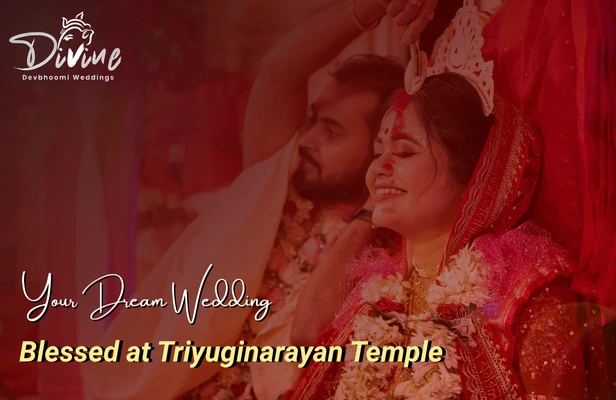
A Hindu wedding at Triyuginarayan generally follows a traditional Vedic structure, though the exact rituals performed can vary depending on the priest, family customs and ceremony arrangements. Commonly associated rituals include:
The sacred fire holds particular significance here, believed to connect the couple’s vows to the same eternal flame associated with Shiva and Parvati’s own union. That said, not every ritual is necessarily mandatory or identical at every ceremony, so couples should confirm the exact sequence with their priest and the temple in advance.
Limited local accommodation is available in and around the temple itself, generally suited to smaller groups. Availability can be seasonal, so early booking is advisable.
Guptkashi, being a larger and better-connected town nearby, tends to offer a wider choice of hotels and resorts. This makes it a practical base for larger wedding groups who need more rooms or a higher category of accommodation than what’s available closer to the temple.
For couples working with a tighter budget, or guests who prefer a more local experience, guest houses and homestays in the surrounding villages can be a comfortable, cost-effective option — often with the added charm of warm, personal hospitality.
While every wedding is different, a typical multi-day arrangement might look like this:
|
Day |
Suggested Activities |
|
Day 1 |
Guest arrival, check-in, welcome dinner |
|
Day 2 |
Pre-wedding functions such as Haldi and Mehendi |
|
Day 3 |
Temple wedding ceremony and rituals |
|
Day 4 |
Local sightseeing, leisure time, farewell gathering |
|
Day 5 |
Guest departure |
This structure can be adjusted based on guest numbers, the number of functions planned and how much time families want to spend in the mountains.
Given the Himalayan terrain, weather has a major influence on travel and ceremony planning. Summer months generally offer easier road access, while the monsoon season can bring landslides and travel disruptions, and winter can bring snowfall that affects accessibility. Always check current conditions and temple guidance closer to your planned dates rather than relying solely on general seasonal patterns.
Planning a wedding in a remote Himalayan location comes with genuine logistical challenges — from coordinating temple permissions to arranging accommodation, transportation, catering and décor across multiple vendors in an area with limited local infrastructure. This is where a dedicated wedding planning partner can make a real difference.
Devbhoomi Weddings works with couples planning weddings across Uttarakhand, including at spiritually significant venues like Triyuginarayan, to coordinate the pieces that matter most: venue and temple coordination, accommodation arrangements for guests, local transportation, decoration, catering and overall on-ground wedding management. For couples who want to focus on the experience rather than the logistics, working with an experienced local planner can simplify a destination wedding considerably — while ensuring that temple protocols and local considerations are respected throughout.
A Triyuginarayan Temple wedding with stay offers something increasingly rare: a wedding that is genuinely rooted in spiritual tradition, set against one of India’s most beautiful mountain landscapes, and organized in a way that takes care of guests from arrival to departure. With careful planning — or the right local support — couples can create a celebration that feels both deeply meaningful and effortlessly memorable.
Is Triyuginarayan Temple a legally recognized place to get married?
Couples should confirm the temple’s current rules around conducting and registering weddings directly with temple authorities or local officials, as procedures can change.
How far in advance should I book a Triyuginarayan wedding with stay?
Given limited local accommodation, especially in peak season, booking several months ahead is generally advisable.
Is accommodation available right next to the temple?
Some local stay options exist, but they are limited, which is why many couples also consider nearby Guptkashi for larger groups.
What is the ideal group size for a Triyuginarayan wedding?
Smaller, more intimate weddings tend to work best given accommodation and logistical constraints in the area, though larger groups can be managed with advance planning.
Do I need a wedding planner for a Triyuginarayan wedding?
It isn’t mandatory, but given the remote location and coordination involved across accommodation, transport and rituals, many couples find a local planner valuable.































From pre-wedding celebrations to grand wedding days, we provide end-to-end services for all functions.
Copyright © 2024 | All Rights reserved by Divine Dev Bhoomi | Designed & Developed by Edtech Innovate Pvt. Ltd.