
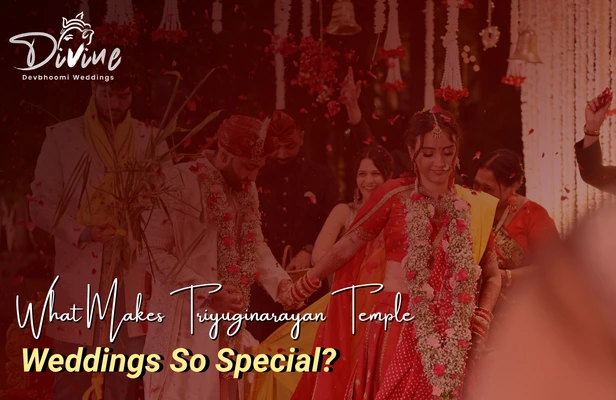
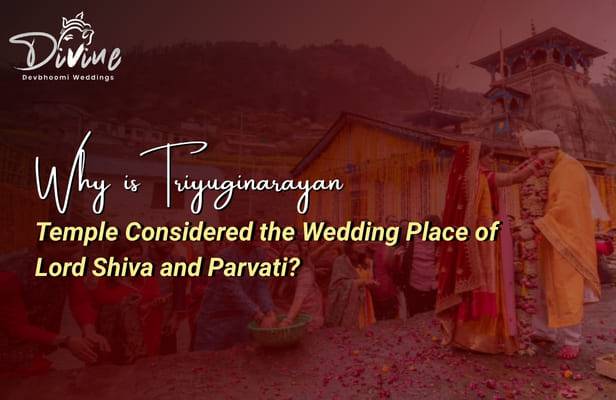
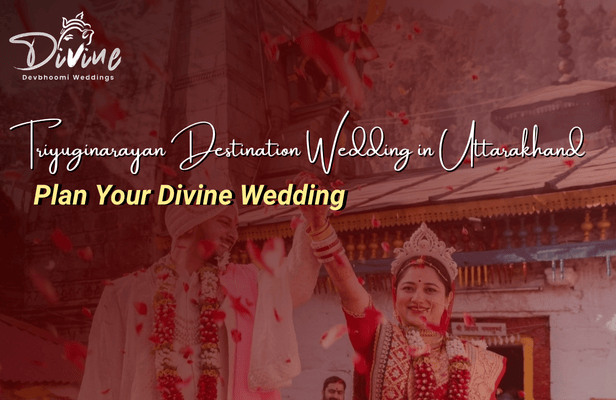
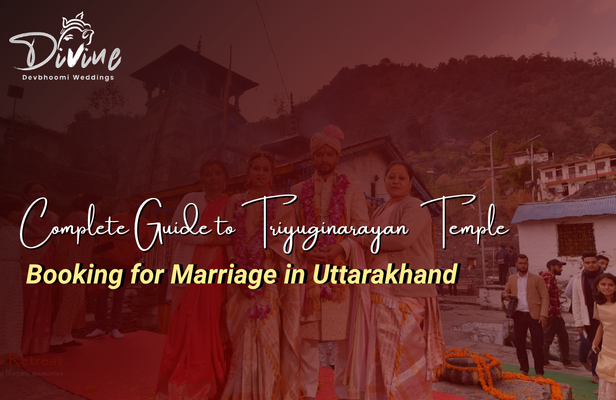
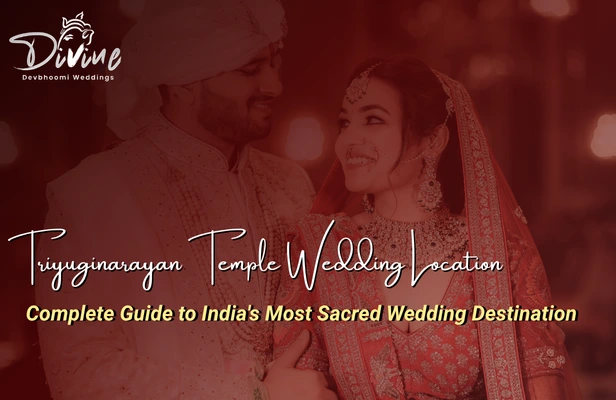
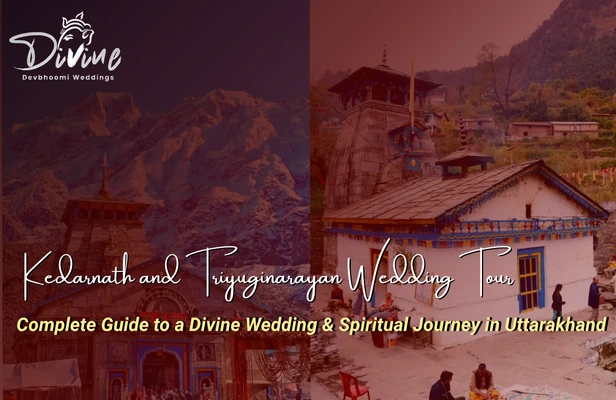
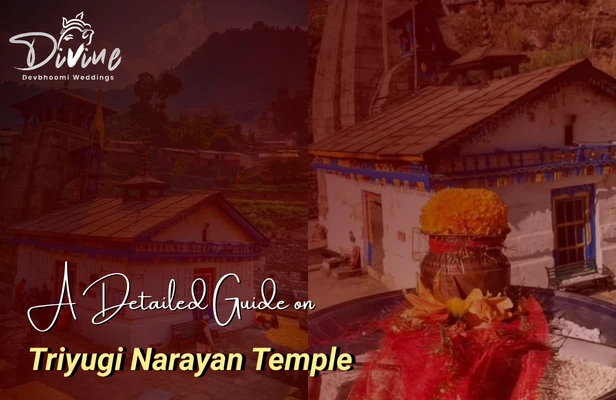
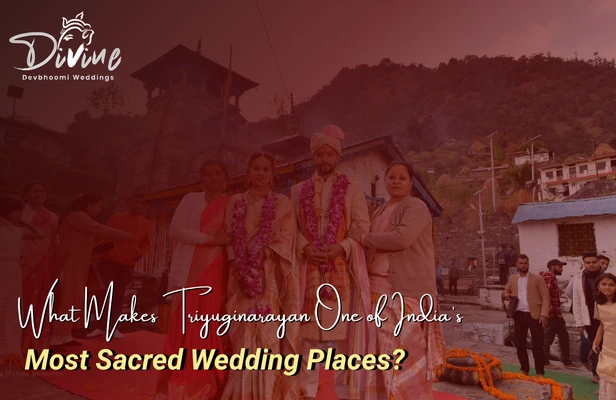
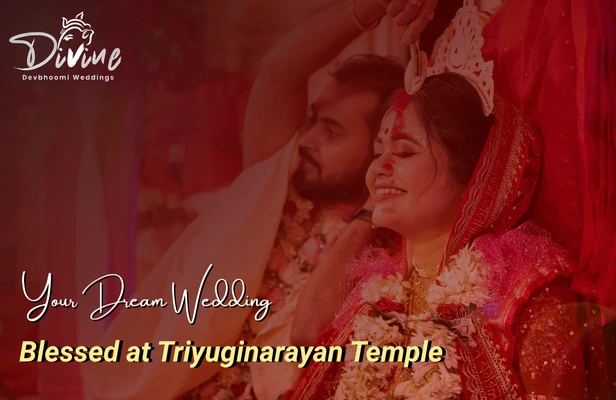
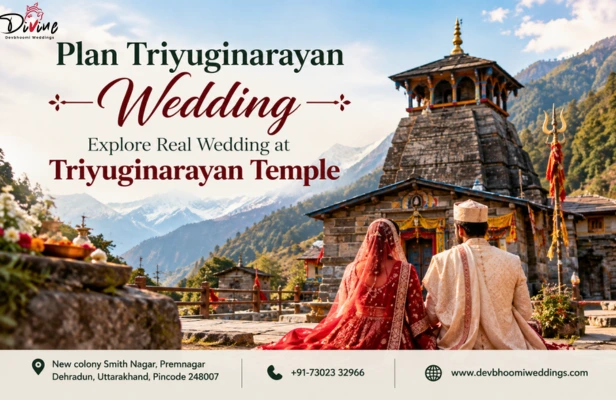
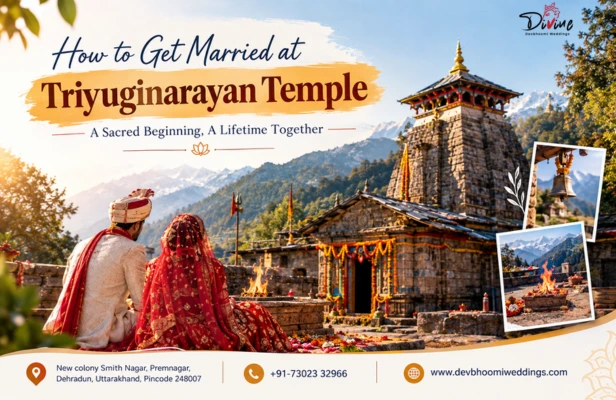
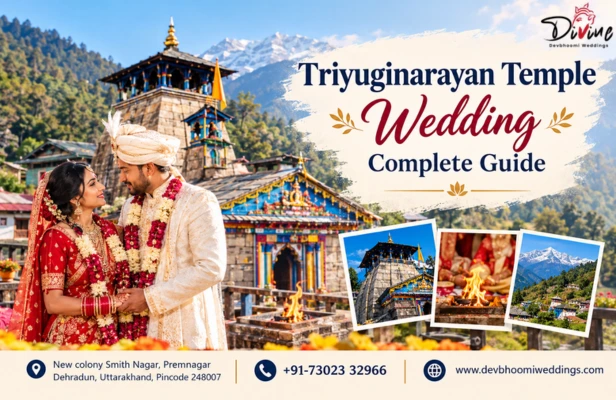
For couples who want their wedding to feel like more than an event, a Triyuginarayan Temple Wedding offers something rare: a ceremony rooted in one of Hindu mythology's most enduring stories. According to Hindu tradition, this is the very site where Lord Shiva and Goddess Parvati were married, with a sacred fire said to have burned continuously ever since. Tucked into the Himalayan folds of Rudraprayag, Uttarakhand, the temple draws couples who want their vows exchanged somewhere spiritually significant rather than in a banquet hall. But a wedding here isn't just about the setting — it takes real planning around rituals, travel, accommodation, and local requirements. This guide walks through what makes the experience unique and what to know before booking one.
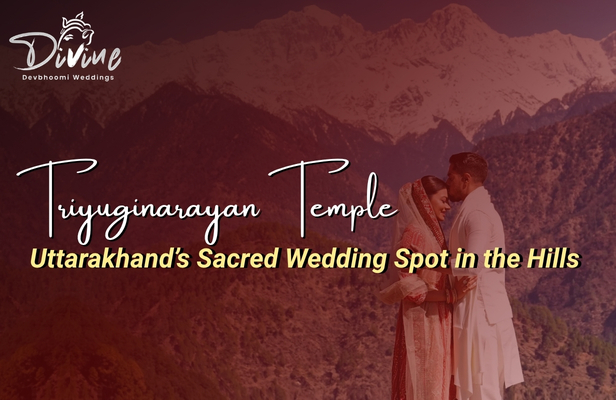
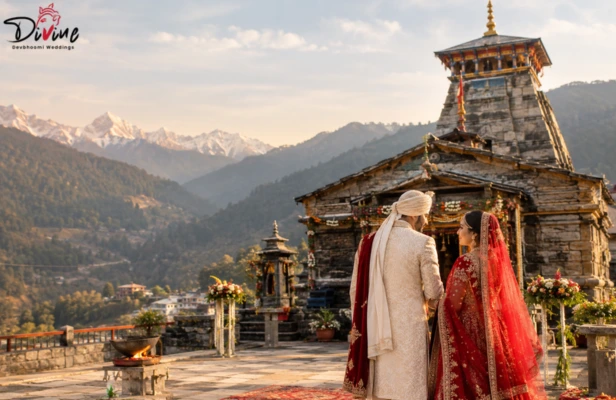
The appeal of a Triyuginarayan Temple Wedding isn't a single feature — it's the layering of faith, mythology, architecture, and landscape into one experience. The temple's identity is inseparable from the belief that Shiva and Parvati were married here, which gives every ceremony performed at the site a sense of continuity with something ancient. Add to that the modest stone architecture, the sound of the Saraswati and Mandakini rivers nearby, and the surrounding Himalayan peaks, and the result feels distinctly different from a conventional destination wedding.
Couples are drawn to:
Unlike a resort or banquet-style destination wedding, a temple wedding here centers the ceremony itself — the rituals, the fire, the blessings — rather than the entertainment and scale around it.
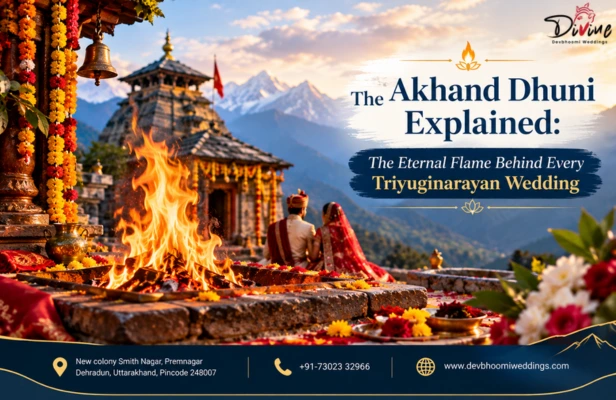
Hindu tradition holds that Triyuginarayan Temple is the site of the Shiva Parvati Vivah, and that Lord Vishnu himself acted as the officiant. At the center of the temple courtyard is the Akhand Dhuni, a fire believed by devotees to have burned without interruption since that original wedding. Many couples choose to perform their own vows near this fire, drawing a symbolic line between their marriage and the divine union associated with the site.
It's worth separating belief from verifiable history here: the temple's age and religious importance are well documented, but the specific mythological narrative is a matter of tradition and faith rather than independently confirmed fact. That doesn't diminish its meaning — for many couples, performing a Hindu temple wedding at a site tied to the Shiva Parvati marriage story adds a layer of significance that a conventional venue simply can't replicate.
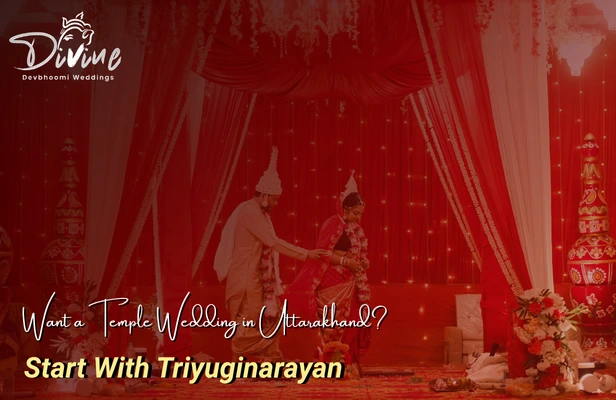
A wedding here typically follows the broad structure of a traditional Hindu wedding, adapted to the temple setting. Common elements include:
Not every couple follows an identical sequence. The exact rituals, their order, and which ones are included depend on family customs, the guidance of the officiating priest, and how the ceremony is arranged in advance. Couples planning a wedding here should discuss the ritual sequence with a priest early in the planning process rather than assuming a fixed format.
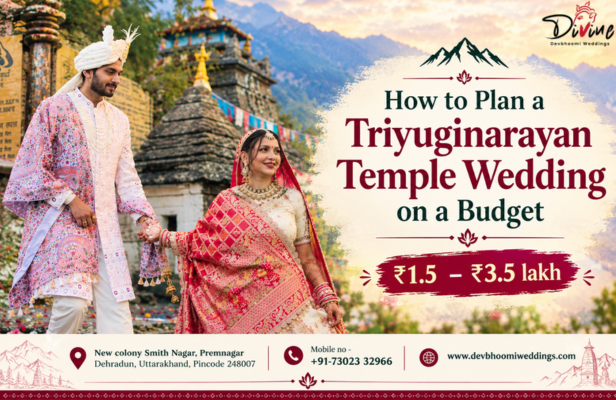
There's no single official figure for a Triyuginarayan Temple wedding cost, because the total depends heavily on individual choices — guest count, travel distance, accommodation standard, and how elaborate the ceremony and celebrations are. Rather than quoting a fixed price, it helps to think in terms of the categories that make up the overall budget.
|
Wedding Expense |
What It May Include |
|
Travel |
Transportation to and from Uttarakhand |
|
Accommodation |
Hotels, guesthouses or other stays |
|
Ceremony |
Priest, rituals and required arrangements |
|
Food |
Meals and refreshments |
|
Decoration |
Flowers, mandap and basic décor |
|
Photography |
Photographer and videography |
|
Local Transport |
Transfers for the couple and guests |
|
Planning |
Wedding coordination and logistics |
Because prices for travel, stays, and vendor services change over time, couples should confirm current rates directly with accommodation providers, transport operators, and wedding service vendors before finalizing a budget.
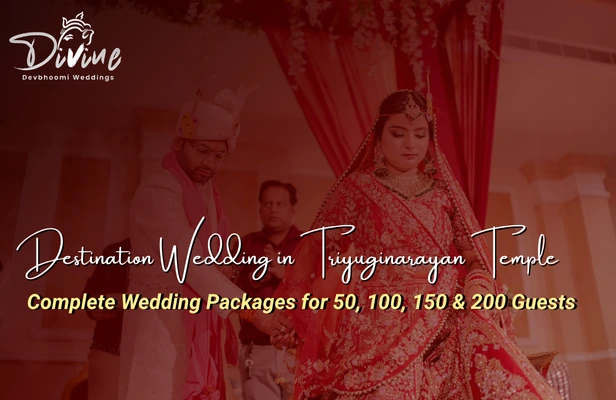
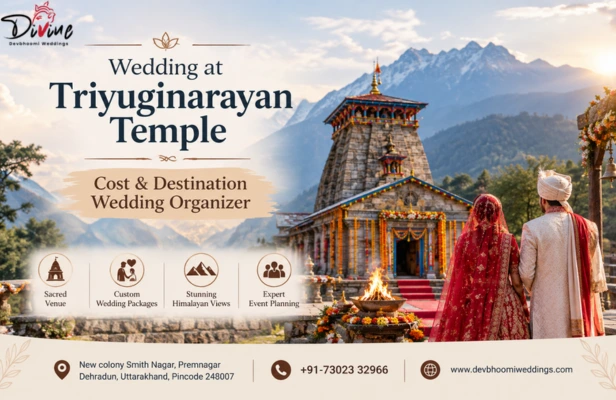
Searches for Triyuginarayan Temple wedding packages often assume the temple itself sells a bundled wedding service — but that shouldn't be assumed unless confirmed through an official source. What typically exists instead is a mix of temple-related ceremony arrangements and separate packages offered by private wedding planners or local vendors.
A private wedding planner's package may potentially include:
It's important to distinguish between temple-related arrangements — which involve local priests, temple timings, and religious protocol — and private wedding planner or vendor packages, which cover the logistics, hospitality, and creative side of the event. Couples should verify exactly what's included, and with whom, before making any payment.
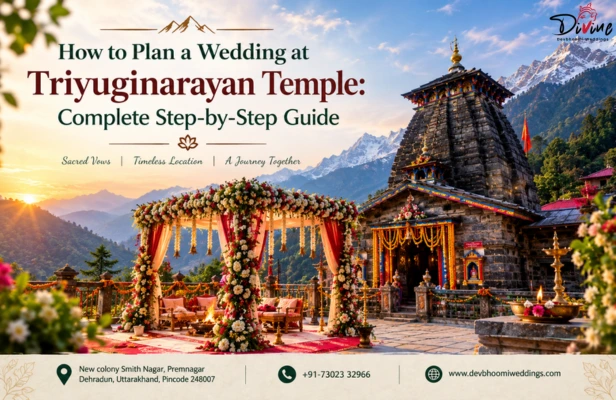
1. Decide the Wedding Date
Factor in weather, travel conditions, family availability, and any religious preferences for auspicious timing.
2. Confirm Temple and Local Requirements
Check current permissions, ceremony rules, timings, and any restrictions directly with temple authorities or local administration.
3. Finalize Guest List
A smaller, more intimate guest list generally makes mountain travel and accommodation far easier to manage.
4. Arrange Accommodation
Research nearby stays and confirm availability well in advance, especially during peak travel seasons.
5. Plan Transportation
Account for road conditions, transfers, parking, and comfortable transport for elderly guests.
6. Arrange Wedding Rituals
Discuss the ceremony sequence and required materials directly with the priest ahead of time.
7. Book Vendors
Line up photography, food, decoration, makeup, clothing, and any other services you need.
8. Prepare a Backup Plan
Mountain weather and transport conditions can shift quickly, so keep contingency arrangements ready.
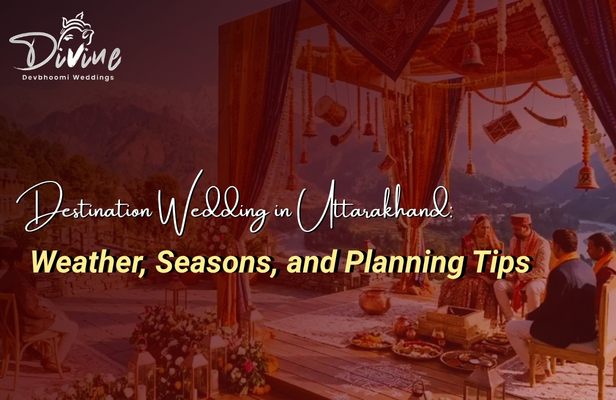
There isn't a single season that works best for everyone — the right time depends on weather, road accessibility, temple schedules, and personal preference. Broadly, summer months tend to offer more predictable road conditions and milder weather, while monsoon season brings a higher risk of landslides and travel disruption. Winter can bring cold temperatures and occasional snow at higher elevations, which affects both guest comfort and logistics. Because mountain conditions can change quickly, couples should check current weather forecasts and road advisories close to their planned date rather than relying on general seasonal assumptions.
The Himalayan backdrop naturally lends itself to striking wedding photography — from wide shots of the temple against the mountains to close, natural-light portraits of the couple. Many photographers favor early morning or late afternoon light here, when the setting feels softest.
Decoration tends to work best when it's simple: modest floral arrangements and an understated mandap that complement the temple's stone architecture rather than compete with it. Because this is an active place of worship, couples should confirm what's permitted in terms of both photography and decoration before the day itself, and be prepared to adjust plans out of respect for the religious space.
Read More - The Significance of Marriage in Our Lives as Per Hindu Rituals
A wedding at Triyuginarayan Temple isn't the right fit for every couple, and it helps to weigh the trade-offs honestly:
Beyond Triyuginarayan itself, Uttarakhand has seen growing interest as a destination wedding Uttarakhand couples consider for its spiritual environment, Himalayan landscape, and traditional culture. A temple wedding in Uttarakhand tends to offer a quieter, more peaceful atmosphere than a conventional venue, along with genuine religious significance for couples who want their marriage rooted in tradition. For those drawn to a mountain wedding or a spiritual wedding destination rather than a resort setting, this region offers a distinct alternative.
|
Feature |
Triyuginarayan Temple Wedding |
Conventional Destination Wedding |
|
Setting |
Sacred temple environment |
Hotel/resort/venue |
|
Atmosphere |
Spiritual and traditional |
Luxury/social |
|
Ritual Focus |
Strong traditional focus |
Depends on ceremony |
|
Landscape |
Himalayan surroundings |
Depends on destination |
|
Guest Size |
Often better suited to intimate planning |
Can accommodate larger groups |
|
Decoration |
May require restrictions/coordination |
Generally more flexible |
|
Experience |
Religious + wedding |
Wedding + celebration |
Common Mistakes Couples Make When Planning a Triyuginarayan Temple Wedding
A Triyuginarayan Temple Wedding stands apart because it combines mythology, tradition, and the Himalayas into a single, deeply personal ceremony. Its association with the Shiva-Parvati wedding gives the site a spiritual weight that few destination wedding venues can match, while the surrounding mountains add a natural beauty that photographs and memories alike tend to hold onto. That said, the experience takes real planning — around travel, accommodation, rituals, vendors, and temple permissions — and couples should verify current rules and costs directly with temple authorities and local providers rather than relying on assumptions. For couples seeking a wedding that feels intimate, meaningful, and rooted in tradition, this is a destination worth researching thoroughly and planning early.
1. What makes Triyuginarayan Temple weddings so special?
The temple's spiritual significance, its association with the Shiva-Parvati wedding tradition, and its sacred Himalayan setting combine to create a wedding experience unlike a conventional venue.
2. Why is Triyuginarayan Temple associated with Shiva and Parvati's marriage?
Hindu tradition holds that Lord Shiva and Goddess Parvati were married at this site, with Lord Vishnu acting as officiant — a belief central to the temple's religious identity.
3. Can couples get married at Triyuginarayan Temple?
Couples should confirm current temple policies, permissions, ceremony rules, and priest availability directly with temple authorities before planning a wedding there.
4. What is the Triyuginarayan Temple wedding cost?
Total cost depends on factors like travel, accommodation, ceremony arrangements, food, decoration, photography, and guest count — there's no single fixed figure.
5. Are Triyuginarayan Temple wedding packages available?
Temple-related ceremony arrangements are separate from private wedding planner or vendor packages. Couples should verify exactly what's offered and by whom before booking.
6. What rituals are performed in a Triyuginarayan Temple wedding?
Common elements include Ganesh Puja, sacred fire rituals, pheras, and blessings — though the exact sequence varies by family custom and priestly guidance.
7. What is the best time for a Triyuginarayan Temple wedding?
This depends on seasonal weather, road accessibility, and temple schedules; couples should check current conditions close to their planned date.
8. How can I plan a Triyuginarayan Temple destination wedding?
Start by selecting a date, confirming temple requirements, arranging accommodation and transport, coordinating rituals with a priest, booking vendors, and preparing a backup plan.
9. Is Triyuginarayan Temple suitable for an intimate wedding?
Yes — its scale and setting tend to suit smaller, spiritually focused ceremonies well, though logistics like accommodation and guest mobility need careful planning.
10. What should guests carry for a Triyuginarayan Temple wedding?
Comfortable clothing suited to a religious ceremony, weather-appropriate layers, sturdy footwear, personal essentials, and anything needed for mountain travel.







































From pre-wedding celebrations to grand wedding days, we provide end-to-end services for all functions.
Copyright © 2024 | All Rights reserved by Divine Dev Bhoomi | Designed & Developed by Edtech Innovate Pvt. Ltd.