
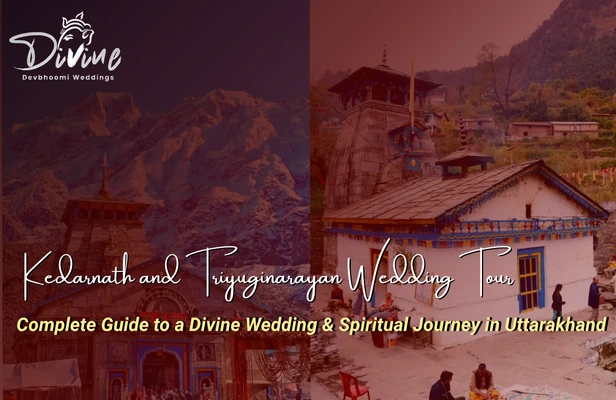
Planning a wedding at one of the most sacred sites in the Himalayas begins with one question almost every couple asks first: how do Triyuginarayan Temple Wedding Tickets actually work? Unlike a regular temple visit, a wedding here is not something you simply walk into with an entry pass. It is a spiritually significant event that requires advance booking, prior permission from temple authorities, and careful coordination with local wedding planners. Triyuginarayan Temple, nestled in the Rudraprayag district of Uttarakhand, is believed to be the very place where Lord Shiva and Goddess Parvati were married in the presence of Lord Vishnu, witnessed by the eternal flame of the Akhand Dhuni that has burned continuously for thousands of years. For couples seeking a wedding rooted in devotion and tradition, this temple in the heart of Devbhoomi (the Land of the Gods) offers something no banquet hall ever could. This guide walks you through everything you need to know about Triyuginarayan Temple Wedding Tickets — from the booking process and required documents to costs, rituals, travel, and accommodation.
The term "wedding tickets" is a bit misleading if taken literally. There is no over-the-counter ticket counter where couples buy a slot the way they would buy a movie ticket. Instead, Triyuginarayan Temple Wedding Tickets refer to the formal booking and permission process that allows a couple to hold their marriage ceremony at the temple premises on a chosen date.
This is fundamentally different from a regular visitor entry pass, which only allows darshan (viewing) of the deity and the sacred fire. A wedding booking, on the other hand, involves:
Because the temple hosts weddings regularly, especially during peak season, advance booking is essential. Couples, families, NRIs, and destination wedding planners can all apply for a wedding slot, provided they meet the basic eligibility and documentation requirements described later in this guide.
The booking process for a Triyuginarayan Temple wedding is straightforward once you understand the sequence of steps. Here is a simple, step-by-step breakdown:
Following this sequence closely reduces last-minute stress and ensures your ceremony runs smoothly on the day itself.
Triyuginarayan Temple follows Hindu marriage traditions, so most eligibility criteria mirror standard requirements for a Hindu wedding, along with a few temple-specific expectations:
If either partner follows a different faith, it is best to discuss this directly with the temple priests or your wedding planner in advance, as the ceremony is rooted in Hindu ritual practice.
While exact document requirements can vary slightly depending on the temple committee and season, the following list covers what most couples are typically asked to provide:
|
Document |
Purpose |
|
Government ID Proof (Aadhaar, Voter ID, etc.) |
Identity verification of both partners |
|
Passport (for NRIs and international couples) |
International identification and travel verification |
|
Passport-size Photographs |
Booking records and priest documentation |
|
Age Proof (birth certificate, ID with DOB) |
Confirming marriage eligibility |
|
Address Proof |
General documentation and record-keeping |
|
Any additional documents requested by temple authorities |
Situational verification, varies by case |
Because requirements can change from season to season, it is always wise to confirm the latest document checklist with the temple committee or your wedding planner before you travel.
One of the most searched questions is around the actual cost of a Triyuginarayan Temple wedding. It's important to understand that there is no single fixed "ticket price" — instead, the overall cost is a combination of several elements. Temple booking or donation charges are usually modest compared to the other costs involved, but priest fees, decoration, catering, accommodation, photography, and transportation can add up depending on the scale of your celebration.
Below is a general cost overview to help with budgeting. Treat these as indicative ranges rather than fixed prices, since actual costs depend on guest count, season, and the level of customization you choose.
|
Cost Component |
What It Covers |
|
Temple booking / donation charges |
Reserving the date and basic temple permissions |
|
Priest (Pandit) charges |
Conducting Vedic rituals, Ganesh Puja, and pheras |
|
Decoration |
Floral décor, mandap setup, and ceremonial arrangements |
|
Accommodation |
Stay for the couple, family, and guests near the temple |
|
Catering |
Meals for family members and guests during the stay |
|
Photography & videography |
Documenting the ceremony and surrounding scenery |
|
Transportation |
Local travel to and from the temple, airport, or railway station |
Factors that influence the final cost include the number of guests, the season you choose, the level of décor, and whether you opt for a fully managed package through a wedding planner versus arranging everything independently. For an accurate quote, it's best to speak directly with the temple committee or an experienced planner rather than relying on estimates found online.
A wedding at Triyuginarayan Temple follows traditional Hindu Vedic rituals, many of which carry deep spiritual meaning tied to the temple's mythology:
Because the Akhand Dhuni is considered a living witness to the very first divine wedding, couples often describe this ritual as the most emotionally powerful part of their ceremony.
Spring offers pleasant weather, blooming surroundings, and comfortable temperatures for both the ceremony and outdoor photography, making it a popular window for early bookings.
Summer is considered peak wedding season in this region, with clear skies and easier road access, though it also means higher demand for dates, accommodation, and planners.
Autumn brings crisp air, clearer mountain views, and fewer crowds compared to summer, making it ideal for couples who prefer a quieter, more intimate destination wedding.
Regardless of the season you choose, temple accessibility can be affected by weather conditions, especially during the monsoon months (July–August), which are generally avoided for weddings due to landslide risks and travel disruptions. Since peak season dates fill up quickly, booking several months in advance is strongly recommended.
Triyuginarayan itself is a small village, so most couples and their guests choose to stay in nearby towns that offer a wider range of accommodation:
Choosing accommodation close to the temple not only adds convenience but also reduces travel fatigue for elderly guests and family members on the wedding day itself.
The nearest airport is Jolly Grant Airport in Dehradun, from where the temple is reached by road, typically taking most of a day depending on traffic and weather.
The nearest major railway stations are Rishikesh and Haridwar, both well-connected to major Indian cities, with the onward journey completed by road.
Triyuginarayan is well connected by road from several major cities and towns:
Practical travel tip: Since the final stretch involves mountain roads, it's best to travel during daylight hours and keep buffer time in your itinerary for weather delays, particularly if traveling during monsoon-adjacent months.
Read More - How Many Days Are Needed for a Temple Wedding?
Coordinating a temple wedding from a different city — or a different country — can feel overwhelming without local support. This is where Devbhoomi Weddings steps in as a dedicated partner for couples planning their sacred ceremony in the Himalayas.
Devbhoomi Weddings assists with complete wedding planning, from initial date coordination with temple authorities to final send-off logistics. Their support typically includes:
With Devbhoomi Weddings handling the moving parts, couples can focus on the ceremony itself rather than logistics, resulting in a smoother, more stress-free destination wedding experience.
Booking Triyuginarayan Temple Wedding Tickets is less about buying a simple pass and more about securing a date, coordinating with temple authorities, and preparing the right documentation well in advance. Getting married at the very spot where Lord Shiva and Goddess Parvati are believed to have taken their vows adds a layer of spiritual meaning that few other venues in India can offer. With proper planning — from choosing the right season to arranging travel and accommodation — your ceremony at this sacred Himalayan temple can be both seamless and deeply memorable. Partnering with experienced planners like Devbhoomi Weddings takes the guesswork out of the process, letting you focus on the moment itself. If you're ready to begin your journey, start exploring Triyuginarayan Temple Wedding Tickets today and take the first step toward a wedding rooted in devotion, tradition, and the blessings of Devbhoomi.
Triyuginarayan Temple Wedding Tickets refer to the booking and permission process required to hold a wedding ceremony at the temple, not a standard visitor entry pass. It involves reserving a date, coordinating with temple authorities and priests, and completing basic documentation, since weddings here are religious ceremonies rather than casual sightseeing visits.
Booking is done by contacting the temple committee directly or, more commonly, through an authorized wedding planner such as Devbhoomi Weddings. The process involves choosing a date, checking availability, submitting documents, and confirming arrangements with the priests who will conduct the ceremony.
There isn't a fixed "entry ticket" in the traditional sense. Instead, couples go through a booking and permission process with the temple committee, which may include a nominal donation or arrangement charge rather than a standardized ticket price.
Typically required documents include government ID proof, age proof, address proof, and passport-size photographs. NRI and international couples should also carry a valid passport. Since requirements can vary, it's best to confirm the exact checklist with the temple or your wedding planner in advance.
Yes, NRI and international couples are welcome to marry at Triyuginarayan Temple. They are generally asked to provide a valid passport along with standard identity and age proof, and it's advisable to coordinate early with a local wedding planner to manage documentation smoothly.
There is no single fixed cost, since it depends on guest count, season, décor level, and accommodation choices. The overall budget typically covers temple charges, priest fees, decoration, catering, photography, and transportation, so it's best to request a personalized estimate based on your specific requirements.
It's recommended to book at least a few months in advance, particularly for summer and autumn, which are peak wedding seasons. Early booking ensures better availability of your preferred date, along with nearby accommodation and local wedding planning support.
Yes, photography and videography are generally permitted during the ceremony, though it's best to confirm specific guidelines with temple authorities regarding equipment, crew size, and positioning near the Akhand Dhuni to ensure the ritual isn't disrupted.
Yes, pre-wedding functions like Mehendi, Haldi, and Sangeet can usually be arranged at nearby accommodations in towns such as Sonprayag or Guptkashi. Wedding planners can help coordinate venues and logistics for these functions alongside the main temple ceremony.
Yes, customized packages are available through experienced wedding planners, allowing couples to choose their preferred level of décor, accommodation, catering, and additional services based on guest count and budget, rather than following a one-size-fits-all format.
Yes, Devbhoomi Weddings specializes in coordinating temple weddings in this region, offering support with date booking, documentation, accommodation, décor, catering, and overall logistics, making the process considerably easier for couples planning from outside the region.
Spring, summer, and autumn are generally the best seasons, offering favorable weather and better temple accessibility. Summer tends to be the busiest, so couples who prefer a quieter setting often lean toward spring or autumn instead.































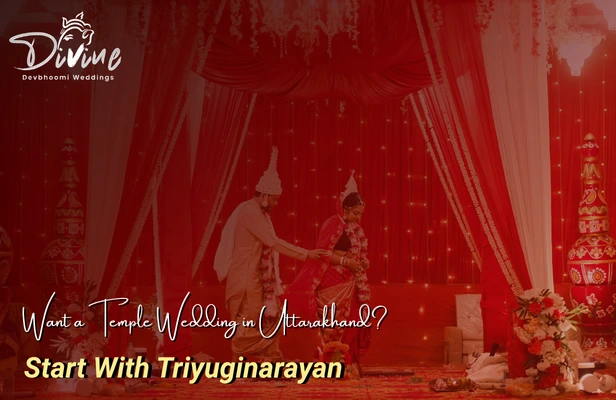
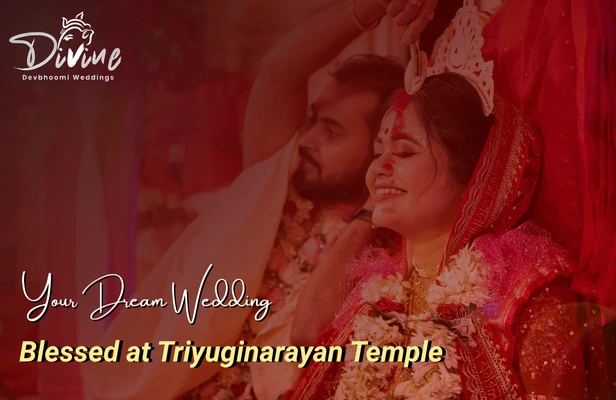
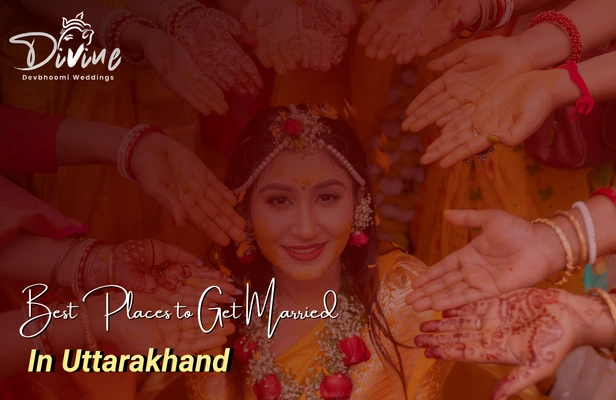
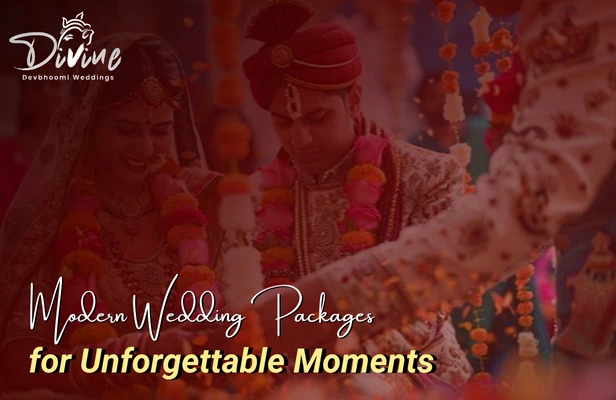













From pre-wedding celebrations to grand wedding days, we provide end-to-end services for all functions.
Copyright © 2024 | All Rights reserved by Divine Dev Bhoomi | Designed & Developed by Edtech Innovate Pvt. Ltd.