
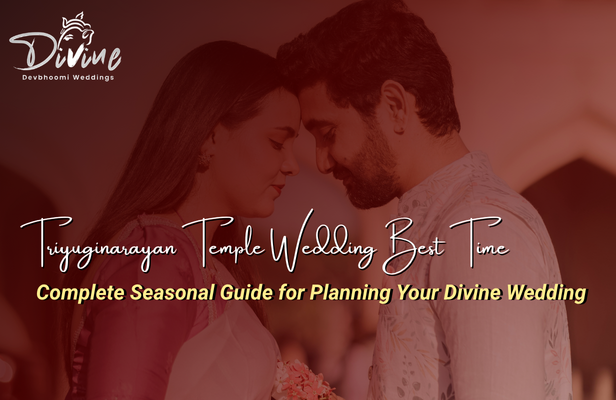
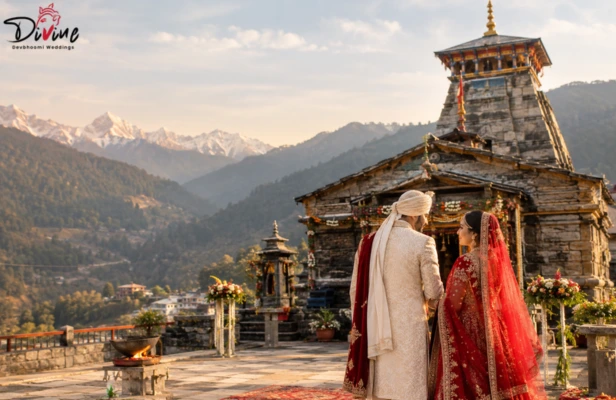
Choosing the right Triyuginarayan Temple Wedding Best Time is one of the most important decisions a couple makes while planning a destination wedding in the Himalayas. More and more modern couples are moving away from crowded banquet halls and choosing sacred, nature-blessed destinations instead — and few places carry the spiritual weight of Triyuginarayan. Weather plays a decisive role in mountain weddings, affecting everything from guest comfort to photography and temple accessibility. Triyuginarayan Temple is believed to be the very spot where Lord Shiva and Goddess Parvati were married in front of the Akhand Dhuni, a fire that has burned continuously for centuries. Nestled in Uttarakhand — fondly called Devbhoomi, the "Land of the Gods" — this temple offers couples a chance to begin their married life with the same divine blessings. This guide breaks down every season, month, and planning detail you need to select your perfect wedding date.
The timing of your wedding at this Himalayan shrine affects nearly every part of the experience:
Triyuginarayan sits at roughly 1,980 metres (6,500 ft) in Rudraprayag district, so it enjoys a cool mountain climate all year, quite different from the plains. Summers stay mild, winters turn cold with occasional snow, and the monsoon brings heavy rainfall along with landslide risk on approach roads.
|
Season |
Months |
Avg. Day Temp |
Avg. Night Temp |
Rainfall |
|
Spring |
March – April |
15°C – 22°C |
6°C – 12°C |
Low |
|
Summer |
May – June |
20°C – 28°C |
12°C – 18°C |
Low to Moderate |
|
Monsoon |
July – August |
18°C – 24°C |
14°C – 18°C |
Heavy |
|
Autumn |
September – November |
14°C – 22°C |
5°C – 12°C |
Very Low |
|
Winter |
December – February |
4°C – 12°C |
-2°C – 5°C |
Snow possible |
Spring is one of the most loved windows for a Triyuginarayan destination wedding. Days stay pleasantly warm (15°C–22°C) while nights are cool without being harsh. Rhododendrons and mountain wildflowers bloom across the valley, giving decorators and photographers a naturally colourful backdrop. Ceremonies, which involve sitting near the sacred fire for extended periods, are far more comfortable in this mild weather. Many couples prefer spring because it balances good weather, manageable crowds, and beautiful natural décor without the extreme heat of peak summer.
Summer is the peak wedding season at Triyuginarayan. Clear skies, easy road access from Rudraprayag and Sonprayag, and the overlapping pilgrimage season to Kedarnath bring large numbers of visitors to the region. Daytime temperatures of 20°C–28°C feel comfortable compared to the plains, making this an appealing escape for guests from Delhi, Mumbai, or NRI families used to hotter climates. Because demand for hotels, transport, and vendors peaks in these months, early booking — ideally 8–10 months in advance — is strongly recommended.
Autumn is widely considered one of the two best options for a Triyuginarayan Temple wedding, alongside spring. Post-monsoon skies clear dramatically, offering crystal-clear views of the surrounding Himalayan peaks. Temperatures stay pleasant (14°C–22°C in the day), rainfall drops to near zero, and the washed, green landscape photographs beautifully. Many wedding photographers rank autumn as the top season for both ceremony shots and pre-wedding shoots, thanks to the combination of clear light and dramatic mountain backdrops.
Winter brings a very different character to a Triyuginarayan wedding. Snowfall is common, daytime temperatures can drop to 4°C–12°C, and nights regularly fall below freezing. Road accessibility can be limited after heavy snow, and outdoor rituals need extra planning for guest warmth. However, winter also offers something no other season can: a quiet, intimate wedding with snow-capped peaks in the background, ideal for couples who want an exclusive, low-crowd celebration and are willing to manage the cold with proper arrangements.
Monsoon is generally the least recommended period. Heavy rainfall, slippery mountain roads, and occasional landslide risk on the approach routes make travel unpredictable. Crowd levels drop significantly, which can appeal to couples wanting a very private ceremony, but planning must stay flexible, with buffer days built in for delayed travel and indoor backup arrangements for rituals.
|
Month |
Weather |
Wedding Suitability |
Crowd Level |
Photography |
Recommendation |
|
January |
Cold, snow likely, 4°C–10°C |
Intimate winter weddings |
Low |
Snow-capped peaks |
Good for private ceremonies |
|
February |
Cold, occasional snow, 5°C–12°C |
Suitable with warm arrangements |
Low |
Crisp mountain light |
Good, book warm venues |
|
March |
Mild, 15°C–20°C |
Excellent |
Moderate |
Blooming flowers |
Highly recommended |
|
April |
Pleasant, 17°C–22°C |
Excellent |
Moderate to High |
Vivid spring colours |
Highly recommended |
|
May |
Warm, comfortable, 20°C–26°C |
Excellent (peak season) |
High |
Bright, clear skies |
Book 8–10 months ahead |
|
June |
Warm, 22°C–28°C |
Excellent (peak season) |
Very High |
Clear, sunny |
Book well in advance |
|
July |
Rainy, 18°C–22°C |
Not ideal |
Low |
Green but hazy |
Avoid unless flexible |
|
August |
Heavy rain, 18°C–24°C |
Not ideal |
Low |
Misty, green |
Plan buffer days |
|
September |
Clearing skies, 16°C–22°C |
Excellent |
Moderate |
Fresh, clear views |
Highly recommended |
|
October |
Crisp, clear, 14°C–20°C |
Excellent |
Moderate to High |
Best clarity of the year |
Top recommendation |
|
November |
Cool, dry, 10°C–18°C |
Very good |
Moderate |
Golden, clear light |
Strongly recommended |
|
December |
Cold, snow possible, 6°C–12°C |
Good for intimate weddings |
Low |
Snowy backdrops |
Good with warm planning |
|
Season |
Demand |
Hotel Rates |
Vendor Pricing |
Overall Cost Trend |
|
Spring |
High |
Moderate to High |
Moderate to High |
Above average |
|
Summer |
Very High |
High (peak) |
High (peak) |
Highest of the year |
|
Monsoon |
Low |
Low |
Low |
Most economical |
|
Autumn |
High |
Moderate to High |
Moderate to High |
Above average |
|
Winter |
Low to Moderate |
Low to Moderate |
Low to Moderate |
Economical |
Exact pricing depends on guest count, décor scale, and vendor choices, but as a rule, summer commands the highest rates due to demand, while monsoon and winter tend to be more budget-friendly.
For pre-wedding shoots, early morning and late afternoon light works best across all seasons, and couples should keep a rain-cover or warm-layer backup plan depending on the month chosen.
By Air: The nearest airport is Jolly Grant Airport, Dehradun, roughly 200+ km away. Flight frequency and reliability are best in spring, summer, and autumn; winter fog and monsoon rain can cause delays.
By Rail: The nearest major railway stations are Rishikesh and Haridwar, followed by a road journey to Sonprayag and Triyuginarayan. Rail connectivity remains stable year-round, though road transfers should be planned around season.
By Road: The final stretch to Triyuginarayan involves mountain driving via Rudraprayag and Sonprayag. Roads are generally smooth in spring, summer, and autumn, more challenging during monsoon due to landslide risk, and can be snow-affected in peak winter. Building in buffer travel days is wise regardless of season.
Hotels, resorts, and guest houses near Sonprayag and Guptkashi fill up fast during the summer and autumn peak seasons, so booking 6+ months ahead is advisable. Luxury stays and group accommodation blocks for larger weddings should be confirmed even earlier. Monsoon and winter typically offer easier availability and better rates, though options may be more limited in scale.
Regardless of season, the core rituals at Triyuginarayan remain unchanged and deeply symbolic:
Season only affects comfort, logistics, and photography — the sanctity and structure of the rituals stay consistent all year.
Planning a Himalayan destination wedding involves far more moving parts than a city wedding. Local expertise matters — from reading seasonal weather patterns to coordinating with the temple committee for ceremony slots. Devbhoomi Weddings supports couples through venue coordination, accommodation booking across every season, seasonal decoration planning suited to spring blooms or winter snow, guest management for large or small groups, photography coordination timed to the best light, and transportation planning across mountain roads. Their year-round familiarity with the region means couples get realistic guidance on which season fits their priorities, whether that's guest comfort, budget, or photography.
Selecting the right Triyuginarayan Temple Wedding Best Time transforms an already-meaningful ceremony into a genuinely comfortable and memorable experience for both the couple and their guests. Weather, accessibility, and planning all shape how smoothly the day unfolds, and working with experienced destination wedding planners takes much of the guesswork out of the process. Spring and autumn stand out for their balanced climate and stunning scenery, while summer, winter, and even monsoon each offer something distinct for couples with different priorities. Above all, marrying at the very spot where Lord Shiva and Goddess Parvati are believed to have taken their vows adds a layer of spiritual significance that few other destinations in India can offer.
What is the best time for a Triyuginarayan Temple wedding?
Spring (March–April) and autumn (September–November) are generally considered the best, thanks to mild weather, clear skies, and excellent photography conditions.
Which months are ideal for a Triyuginarayan destination wedding?
March, April, September, October, and November are the top-recommended months.
Is spring better than autumn for weddings at Triyuginarayan Temple?
Both are excellent; spring offers blooming landscapes, while autumn offers clearer skies and crisper mountain views. The choice often comes down to personal preference.
Can weddings be organized during the monsoon season?
Yes, but July–August involve rain, slippery roads, and landslide risk, so extra flexibility and buffer days are recommended.
Is winter suitable for a Triyuginarayan Temple wedding?
Yes, for couples wanting an intimate, low-crowd wedding with snow-covered scenery, though warm clothing and heating arrangements are essential.
How early should I book a Triyuginarayan Temple wedding?
6–10 months in advance is recommended, especially for the popular spring, summer, and autumn dates.
Does the wedding cost vary by season?
Yes. Summer and autumn typically command the highest rates due to demand, while monsoon and winter tend to be more economical.
Which season offers the best photography?
Autumn is often considered the best for photography due to clear skies and golden light, though each season has its own visual character.
Are hotels available throughout the year?
Yes, though availability is tighter during peak summer and autumn months, so early booking is advised.
How is the weather during summer weddings?
Daytime temperatures range from 20°C–28°C, making summer comfortable compared to the plains, with clear skies and easy road access.
Which season has the least tourist crowd?
Monsoon and winter typically see the fewest visitors, offering more private, exclusive experiences.
Is snowfall possible during winter weddings?
Yes, snowfall is common between December and February, adding a unique visual element to winter ceremonies.
What should guests wear during different seasons?
Light layers for spring and summer, rain-appropriate gear for monsoon, and heavy warm clothing for winter.
Are wedding rituals performed in every season?
Yes, the core rituals — Ganesh Puja, Kanyadaan, Vedic rites, and pheras around the Akhand Dhuni — remain the same throughout the year.
Can Devbhoomi Weddings arrange weddings throughout the year?
Yes, Devbhoomi Weddings supports couples in planning weddings across every season, adapting logistics, décor, and coordination to the time of year chosen.












































































From pre-wedding celebrations to grand wedding days, we provide end-to-end services for all functions.
Copyright © 2024 | All Rights reserved by Divine Dev Bhoomi | Designed & Developed by Edtech Innovate Pvt. Ltd.