
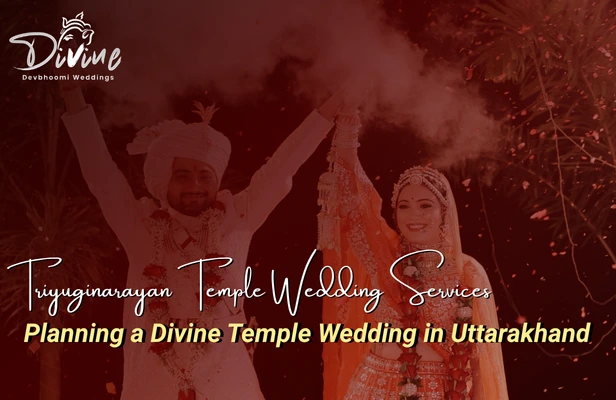
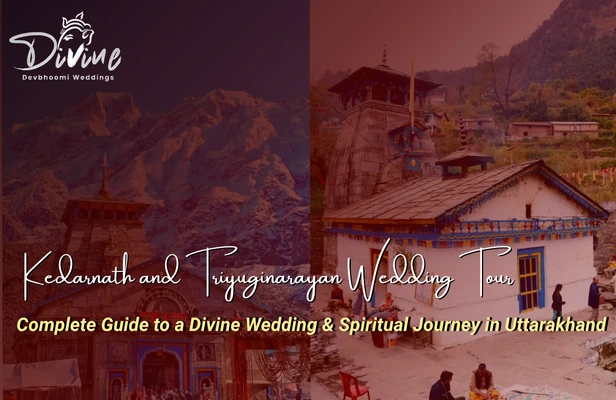
Triyuginarayan Temple Wedding Services offer couples a way to bring together traditional Hindu rituals, Vedic ceremonies and Himalayan serenity in one unforgettable celebration. Nestled in the Garhwal Himalayas, Triyuginarayan Temple is traditionally believed to be the site where Lord Shiva and Goddess Parvati were married, making it one of the most spiritually significant wedding destinations in India. For couples who want their vows to be rooted in ancient tradition rather than a conventional banquet hall, this temple offers a rare and meaningful setting.
Uttarakhand is often called Devbhoomi, the Land of Gods, and this reputation has made the state an increasingly popular choice for spiritual and intimate destination weddings. The mountains, rivers and temple towns of the region create a backdrop that feels both sacred and serene, drawing couples who want a wedding experience with genuine cultural depth.
Planning a wedding in a remote Himalayan location, however, involves far more than choosing a date. Professional wedding services can help coordinate temple arrangements, priests and rituals, accommodation, transportation, décor, catering, photography and guest hospitality, so that families can focus on the ceremony itself rather than the logistics behind it. This guide walks through everything couples need to know before planning a wedding at Triyuginarayan.
Triyuginarayan Temple wedding services in Uttarakhand generally refer to the complete set of arrangements a couple needs to organize a Hindu wedding at or around the temple. Because the location is remote and the temple itself operates under its own customs, most couples rely on a mix of temple coordination and professional planning support rather than handling every detail independently.
These services commonly include:
It is important to understand that the exact services, permissions and arrangements can vary depending on temple authorities, the season, guest count and the wedding package selected. Couples are encouraged to confirm current rules directly with the temple committee before finalizing any plan.
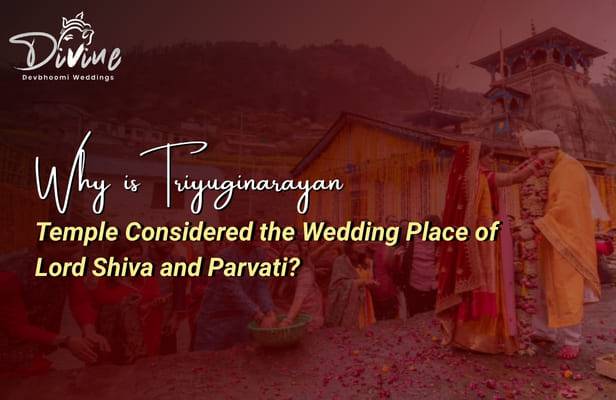
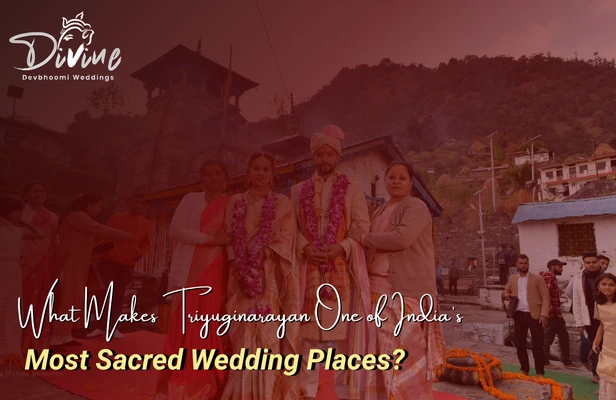
According to Hindu tradition, Triyuginarayan is the place where Lord Shiva and Goddess Parvati were married, with Lord Vishnu acting as the divine witness. For couples seeking a wedding at Triyuginarayan Temple, this belief adds a layer of spiritual meaning that few other venues in India can offer, making the ceremony feel like a continuation of an ancient divine story rather than just another wedding venue.
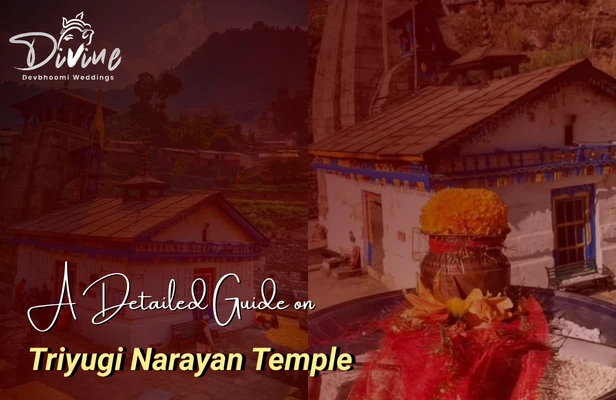
At the centre of the temple courtyard burns the Akhand Dhuni, an eternal fire that is said to have been burning since the time of Shiva and Parvati's wedding. Many couples choose to take their wedding vows and perform their pheras around this sacred flame, connecting their own union to this long-standing tradition.
For couples who want a Vedic wedding ceremony rather than a standard hotel or banquet-hall function, a temple setting offers an atmosphere that feels authentic and unhurried. The chanting, the fire rituals and the surrounding hills create a mood that many couples find more meaningful than a purely decorative event space.
Beyond its religious significance, Triyuginarayan sits in a genuinely beautiful part of the Garhwal Himalayas. Couples and families are often drawn to:
A wedding planner or coordinator can assist with date coordination, communication with temple authorities, understanding required permissions, scheduling the ceremony window and managing local coordination on the ground, so couples are not navigating an unfamiliar process alone.
Arranging an experienced priest is central to any Hindu temple marriage. Rituals typically associated with the ceremony include Ganesh Puja, Havan, Kanyadaan, Pheras, Saptapadi, Varmala and other family-specific customs that may vary by region and tradition.
Décor at a temple wedding is usually kept respectful of the sacred setting. Depending on what is permitted, options may include:
All décor must respect temple rules and local guidelines, and couples should confirm what is allowed before finalizing any design.
Since Triyuginarayan is a temple town, catering is generally vegetarian and can include traditional Indian food, Pahadi-inspired regional dishes, breakfast and meals for guests, tea and refreshments, and customized menus based on family preferences and dietary needs.
A well-documented Triyuginarayan destination wedding usually includes traditional wedding photography, candid photography, couple portraits, family photographs, cinematic wedding films and Himalayan landscape photography that captures both the ceremony and the setting around it.
Booking a wedding at Triyuginarayan Temple wedding services in Uttarakhand generally follows a clear sequence of steps.
A Triyuginarayan wedding package can typically be customized according to the number of guests, number of wedding days, accommodation category, ritual requirements, décor, catering, transportation, photography and any additional ceremonies the family wants to include.
|
Package Type |
Ideal For |
Possible Inclusions |
|
Intimate Temple Wedding |
Couple + close family |
Temple coordination, priest, core rituals |
|
Family Wedding Package |
Small family gathering |
Wedding services + stay + meals |
|
Destination Wedding Package |
Larger guest group |
Accommodation + transport + décor + catering |
|
Customized Wedding Package |
Couples with specific requirements |
Selected services based on budget |
Because inclusions differ from one planner to another, it is best to request a detailed, itemized package rather than assuming a fixed, universal price applies.
There is no single fixed cost for a Triyuginarayan Temple wedding, since the total budget depends heavily on the scale of the celebration and the services selected. Major factors that influence the final cost include:
|
Wedding Expense |
Main Cost Factors |
|
Temple & Rituals |
Booking, priest, puja samagri, ceremony requirements |
|
Accommodation |
Room category, number of guests, nights |
|
Catering |
Menu, number of meals, guest count |
|
Décor |
Flowers, mandap, styling, setup |
|
Transportation |
Guest count, pickup points, vehicle type |
|
Photography |
Coverage hours, photographers, cinematic video |
|
Additional Functions |
Mehendi, Haldi, Sangeet and other events |
Because these variables change from wedding to wedding, couples should request a customized quotation based on their exact guest list and preferences rather than relying on a generic online price.
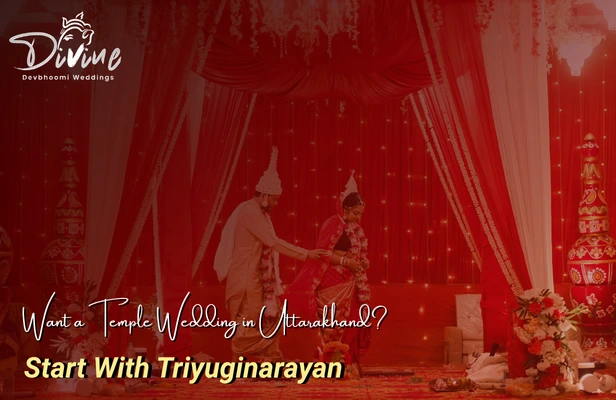
A Hindu wedding at Triyuginarayan typically follows the same core Vedic structure observed across much of North India, adapted to the temple setting. Common rituals include Ganesh Puja, Varmala, Kanyadaan, Havan, Pheras, Saptapadi, Sindoor and other mangal rituals, concluded with blessings from the priest and family elders.
Performing these rituals in a temple environment, and around the Akhand Dhuni in particular, holds special significance for many couples, since it links their personal vows to a place associated with divine tradition rather than a temporary decorated venue.
Many families organize an intimate Mehendi celebration at their accommodation property, keeping the event simple and relaxed ahead of the main ceremony.
A traditional Haldi function can usually be arranged before the temple wedding, subject to space availability at the chosen property.
Smaller music and cultural evenings can be planned at suitable nearby properties where permitted, giving guests a chance to celebrate together before the main ceremony.
Families often host a simple welcome dinner for arriving guests, helping everyone settle in before the wedding festivities begin.
Accommodation planning is an essential part of any Triyuginarayan destination wedding, since options in this Himalayan region range from hotels and resorts to guest houses and homestays, along with group accommodation and family-friendly properties, and premium accommodation where available.
Accommodation should be selected based on several practical factors:
Transportation planning is especially important for a Himalayan destination wedding, since roads can be narrow and travel times longer than expected. Common transportation needs include airport transfers, railway-station transfers, local taxis, tempo travellers, SUVs, group transportation and wedding-day transfers between the accommodation and the temple.
Road and weather conditions should always be checked before travel, and families should build buffer time into the itinerary rather than planning back-to-back schedules.
Spring generally brings pleasant weather, attractive natural scenery and comfortable conditions for outdoor photography.
Summer months are generally favorable for travel and suitable for destination weddings, though higher demand during this period may require early planning.
Autumn often brings clearer mountain views, pleasant temperatures and excellent photography opportunities, making it a popular choice for many couples.
Couples should also factor in monsoon conditions and seasonal road accessibility before confirming their wedding dates, as heavy rainfall can affect both travel and ceremony logistics in this region.
Jolly Grant Airport near Dehradun is the principal airport serving the region, with guests continuing their journey by road toward Rudraprayag or Guptkashi and onward to Triyuginarayan.
Major railway stations such as Rishikesh and Haridwar provide rail access to the region, after which guests continue their journey by road.
Road travel is the primary way to reach the temple area from surrounding towns. Practical tips for guests include:
Organizing a wedding in a remote Himalayan destination brings challenges that are easy to underestimate, including local vendor coordination, temple communication, guest transportation, accommodation management, ritual coordination, décor logistics, catering management, photography coordination and emergency planning.
A dedicated Triyuginarayan wedding planner manages these moving parts on the ground, allowing the couple and their family to focus on the ceremony itself rather than juggling multiple vendors and last-minute logistics.
Devbhoomi Weddings works with couples planning a wedding at Triyuginarayan Temple by supporting the full journey from early planning through the wedding day itself.
End-to-End Wedding Planning: Support from initial consultation through wedding-day coordination.
Local Destination Expertise: Familiarity with Uttarakhand's terrain, local vendors, accommodation options and logistics.
Temple Coordination: Assistance with wedding-related coordination and planning requirements.
Guest Management: Accommodation, transportation and hospitality planning for the full guest list.
Décor & Styling: Traditional and customized décor concepts suited to a sacred temple environment.
Catering: Coordination of suitable vegetarian menus and guest meals.
Photography & Videography: Professional documentation of the ceremony and the wider destination experience.
Customized Wedding Packages: Couples can select services according to their guest count, preferences and budget instead of choosing a one-size-fits-all package.
Triyuginarayan Temple Wedding Services can turn a traditional temple ceremony into a well-organized destination wedding experience, one that brings together spiritual significance, Vedic traditions, Himalayan scenery, intimate celebrations, family togetherness and an authentic cultural experience in a single journey.
Successful planning depends on carefully coordinating temple requirements, accommodation, transportation, rituals, catering and guest logistics well ahead of the wedding date. Experienced local wedding planners such as Devbhoomi Weddings can help couples navigate these arrangements while allowing them to stay focused on the deeper meaning of their wedding day.
Beginning married life at the place traditionally believed to be where Lord Shiva and Goddess Parvati were united is, for many couples, more than a destination choice. It is a way of carrying an ancient blessing into the first day of their new life together.
Services can include temple coordination, priests, rituals, puja arrangements, accommodation, transportation, décor, catering, photography and guest management, depending on the selected package.
To book a wedding at Triyuginarayan Temple, couples should first select a suitable date, confirm current temple requirements and permissions, arrange the priest and wedding rituals, finalize accommodation and transportation, and then coordinate décor, catering, photography and other wedding services.
There is no single universal cost, since guest count, accommodation, transportation, décor, catering and photography can all significantly change the final budget.
Common inclusions can span temple coordination, priest and rituals, décor, catering, accommodation, transportation and photography, though exact inclusions vary by planner and by the couple's specific requirements.
Pre-wedding events can generally be planned at suitable nearby accommodation or event spaces, subject to the property's own rules and any local restrictions.
Couples should confirm the latest temple-specific rules and permissions directly with temple authorities before finalizing their photography and videography plan.
International and NRI couples should confirm documentation, identity verification, marriage-registration requirements and visa-related formalities well in advance, and seek professional legal or registration guidance where necessary.
Travel time can vary significantly depending on road conditions, traffic, weather and the exact starting point, so couples should plan around travel time rather than relying only on distance.
It is advisable to plan well in advance for preferred dates, particularly during high-demand wedding periods when temple availability and accommodation can fill up quickly.
Yes. Couples can combine selected services such as temple arrangements, accommodation, catering, transportation, décor and photography according to their own requirements and budget.





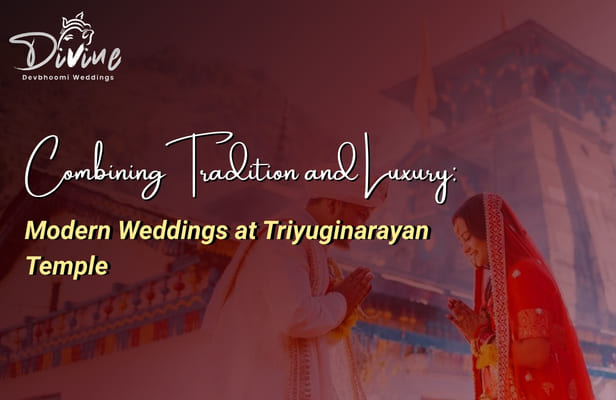





































From pre-wedding celebrations to grand wedding days, we provide end-to-end services for all functions.
Copyright © 2024 | All Rights reserved by Divine Dev Bhoomi | Designed & Developed by Edtech Innovate Pvt. Ltd.