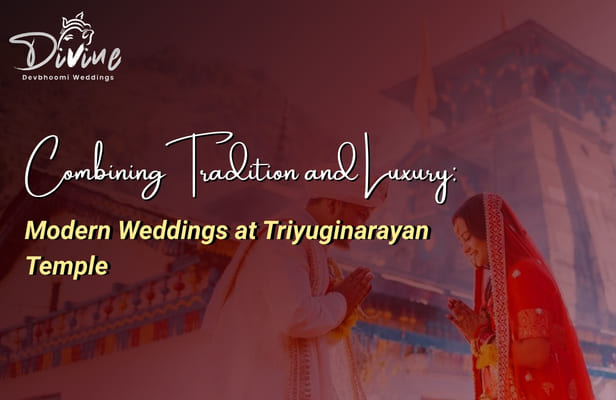
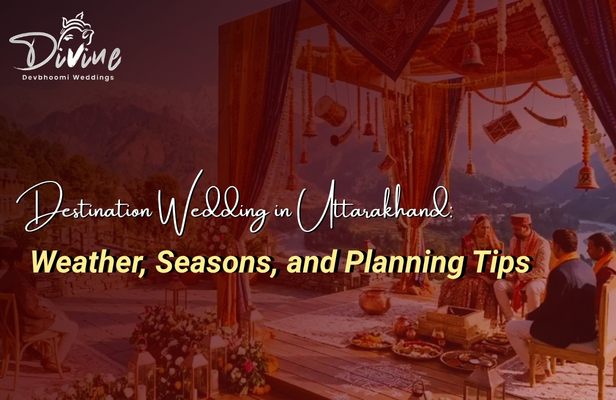
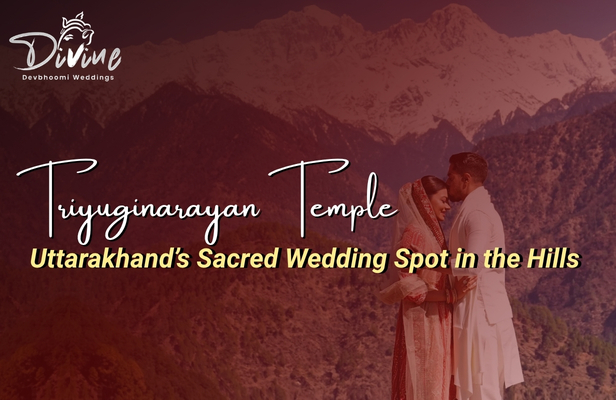
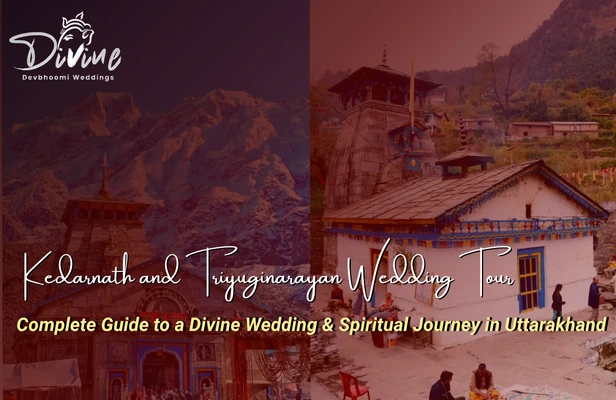
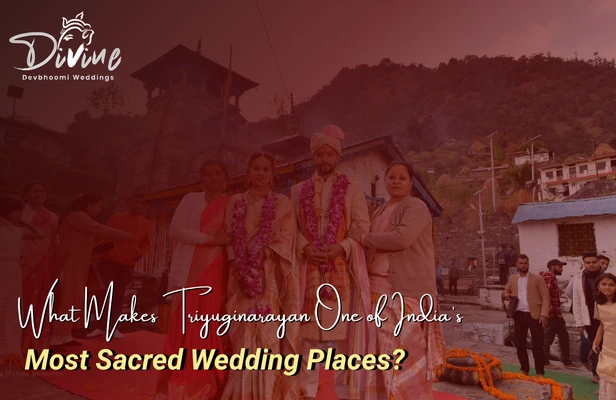
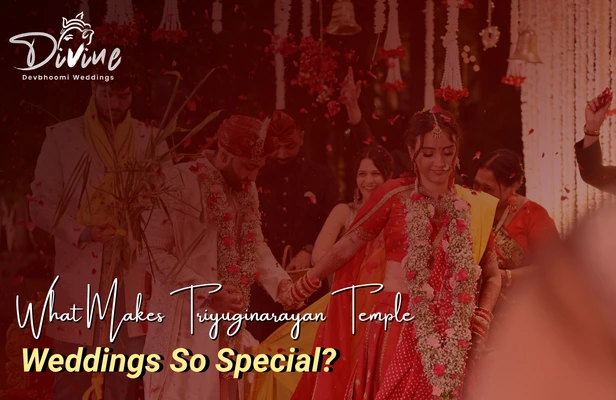
Across India, more couples are choosing weddings that carry meaning beyond the ceremony itself, and a Triyuginarayan Wedding is one of the most distinctive choices available today. Nestled in the Rudraprayag district of Uttarakhand, Triyuginarayan Temple is traditionally believed to be the site where Lord Shiva and Goddess Parvati were married, making it one of the few places in India where couples can exchange vows in a setting associated directly with divine matrimony. Uttarakhand's identity as Devbhoomi, the "Land of the Gods," adds another layer of spiritual resonance to the experience, and Triyuginarayan sits at the heart of that identity as a temple wedding destination unlike any other.
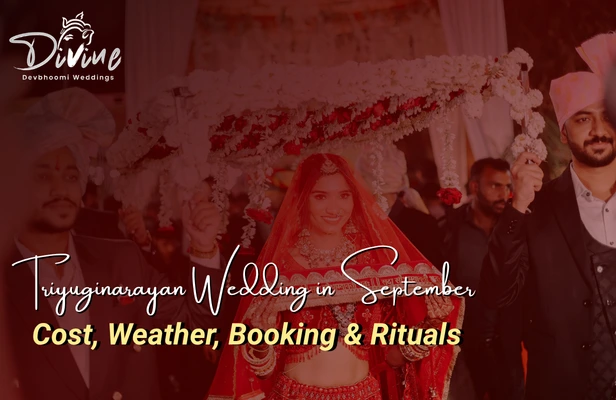
A Triyuginarayan Wedding in September brings its own particular considerations. The Himalayan monsoon is winding down but not entirely gone, mountain roads need extra attention, and guest comfort depends heavily on how well the season is planned around. None of this makes September a poor choice — it simply means couples need accurate, practical information rather than generic wedding inspiration. This guide walks through everything a couple or family needs to know before finalizing a September wedding at Triyuginarayan: the weather, the temple's spiritual background, booking procedures, realistic cost factors, wedding rituals, accommodation, travel routes, and the kind of planning support that makes a Himalayan destination wedding go smoothly.
Triyuginarayan's reputation as a wedding destination is rooted in centuries of Hindu tradition rather than in modern marketing. Understanding this background helps couples appreciate why the temple holds such emotional and spiritual weight for Hindu families.
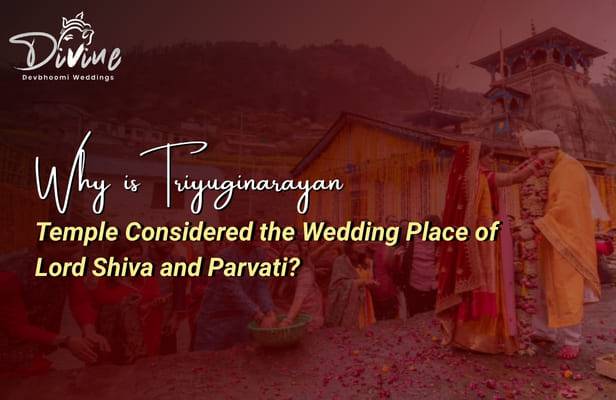
According to Hindu tradition, Triyuginarayan is the place where Lord Vishnu presided as the divine witness to the wedding of Lord Shiva and Goddess Parvati. Local belief holds that the marriage rituals performed here followed the same Vedic format that Hindu weddings continue to follow today, which is part of why couples find it so meaningful to marry at this particular temple.
One of the temple's most striking features is the Akhand Dhuni, a fire that is said to have been burning continuously since the time of the divine wedding, according to local tradition. Pilgrims and wedding parties alike take sacred ash from this fire as a blessing, and many couples choose to have a portion of their own wedding rituals performed in its presence.
Triyuginarayan is closely tied to Vedic wedding customs, sacred fire worship, and the broader framework of Hindu marriage rituals. For many families, marrying here is understood as an act of seeking religious blessings that goes beyond a typical temple ceremony. That said, couples should treat the temple's mythological association as a matter of local belief and Hindu tradition rather than verified historical fact, while still recognizing the deep spiritual value it holds for practitioners.
September can be a good time for a Triyuginarayan Wedding, but it requires careful weather planning. The monsoon is typically retreating, landscapes are lush and green, and crowds are thinner than peak season, though occasional rainfall and unpredictable mountain weather mean couples should always keep a backup plan for outdoor events and travel.
September sits at the tail end of the Himalayan monsoon, which means the answer to "is this a good time to marry at Triyuginarayan" is genuinely mixed rather than a simple yes. On the positive side, the hills are at their greenest, waterfalls and rivers are fuller, temperatures are comfortable for most of the day, and the destination feels far less crowded than during the main wedding season of October to June. Photography opportunities during clear spells are exceptional, with mist, greenery, and dramatic skies all working in a couple's favor.
On the more cautious side, rainfall is still possible in September, and Himalayan weather can shift quickly even within a single day. Road accessibility to Triyuginarayan, which already involves mountain driving, becomes more variable when rain is in the picture. Guest comfort depends heavily on how well accommodation and transportation are planned, and any outdoor ceremony or reception needs a realistic contingency plan rather than an assumption of clear skies. Couples who value intimacy over scale, and who are willing to build flexibility into their itinerary, often find a September wedding at Triyuginarayan deeply rewarding.
|
Factor |
September Wedding Consideration |
|
Weather |
Variable mountain weather |
|
Rain |
Possible |
|
Landscape |
Lush and scenic |
|
Photography |
Excellent during clear weather |
|
Road Travel |
Requires planning |
|
Guest Comfort |
Depends on weather and accommodation |
|
Outdoor Events |
Need backup planning |
Beyond its religious significance, a Triyuginarayan Wedding stands out because of the complete experience it offers: an ancient temple setting, genuine Himalayan surroundings, and rituals that follow traditional Hindu wedding customs rather than a stage-managed version of them. For most couples, this is not simply a wedding venue but a full cultural and spiritual experience shared with close family.
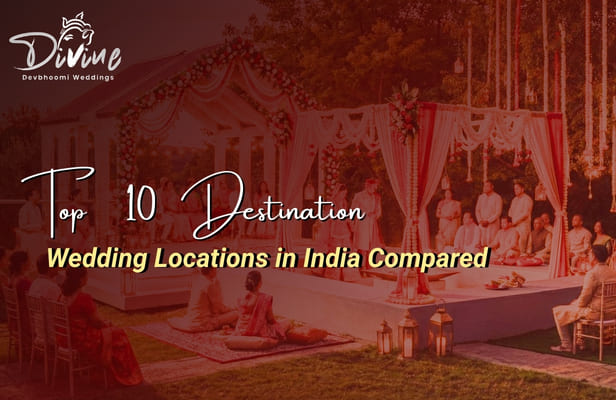
Uttarakhand's Himalayan mountains, forests, and river valleys create a naturally photogenic setting that few other Indian wedding destinations can match. Couples benefit from peaceful surroundings and countless natural photography locations without needing elaborate artificial décor.
As Devbhoomi, Uttarakhand is home to some of Hinduism's most revered temples and pilgrimage routes. A wedding here draws on this broader culture of sacred destinations and traditional Hindu practices, giving the ceremony added depth.
A Triyuginarayan Temple Wedding allows couples to weave traditional rituals, local culture, and mountain scenery into a single, cohesive celebration — something that is difficult to recreate in a banquet hall or city venue.
September weather in Triyuginarayan typically brings cooler mornings and evenings, mild daytime warmth, and the possibility of intermittent rain as the monsoon withdraws. Couples should plan for temperature swings between day and night and keep both rain protection and warm layers on hand.
Mountain temperatures at Triyuginarayan can differ considerably between daytime and evening in September. Afternoons are usually pleasant, but temperatures can drop noticeably once the sun sets, which matters for evening functions and outdoor rituals.
Rain may still occur through September, and even a short spell can affect road travel, outdoor functions, décor, photography schedules, and general guest movement around the venue. Building flexibility into the day's schedule is essential.
Couples should prepare for cooler evenings, particularly if any functions are planned after sunset. Heating arrangements, shawls, or jackets for guests can make a noticeable difference to comfort.
Planning a Triyuginarayan Wedding in September works best as a structured process that starts months in advance. The following steps outline a practical sequence couples and families can follow.
Consider auspicious Hindu wedding dates, family availability, temple availability, travel conditions, and accommodation availability before locking in a date.
Verify the booking process, ceremony timings, required permissions, priest arrangements, applicable charges, and current temple rules directly with temple authorities or a local wedding planner.
A manageable guest list makes transportation, accommodation, and overall guest management considerably easier, and keeps the ceremony feeling intimate rather than logistically overwhelming.
Evaluate distance from the venue, room availability, guest comfort, needs of senior citizens and children, food availability, parking, and accessibility.
Arrange airport transfers, railway-station transfers, tempo travellers, private vehicles, local transportation, and backup vehicles in case of weather-related delays.
Consider floral décor, traditional elements, mandap décor, minimal temple-appropriate styling, and weather-resistant décor choices suited to a mountain setting.
Plan vegetarian menus, traditional Indian cuisine, local Uttarakhand food, guest dietary preferences, tea and snack stations, and realistic meal timing around ritual schedules.
Cover ritual photography, couple portraits, family portraits, temple architecture, Himalayan landscapes, candid photography, and a weather backup plan for outdoor shoots.
The Triyuginarayan Temple Wedding Cost is not a single fixed amount — it depends on guest count, number of wedding functions, accommodation category, number of rooms and nights, catering, décor, photography, transportation, ritual arrangements, and wedding planner services. Couples should treat any published figure as an indicative estimate and confirm current pricing directly with vendors.
Because Triyuginarayan is a small mountain village rather than a large event destination, costs are largely driven by how much couples bring in from outside — vendors, décor materials, catering staff, and accommodation blocks — rather than by a standardized venue fee. This is one of the key reasons cost estimates vary so widely between different weddings at the same temple.
|
Wedding Expense |
Cost Depends On |
|
Temple / Ceremony Arrangements |
Ritual requirements and permissions |
|
Priest & Puja |
Ceremony and rituals |
|
Accommodation |
Property, room type and number of nights |
|
Catering |
Guest count and menu |
|
Décor |
Design, flowers and customization |
|
Photography |
Team size and coverage |
|
Transportation |
Number of guests and vehicles |
|
Wedding Planner |
Scope of planning services |
Couples should avoid relying on fixed price figures found online and instead request a written, itemized quote from the temple authorities and any wedding planner or vendor they engage, so that all costs are transparent before the wedding is finalized.
Wedding planning services in Uttarakhand are typically offered in tiers, though actual inclusions vary considerably by planner. The three broad categories below give couples a general sense of what to expect and compare.
Because inclusions differ from one wedding planner to another, couples should always request a detailed, written breakdown of what is and isn't covered before signing any wedding package agreement.
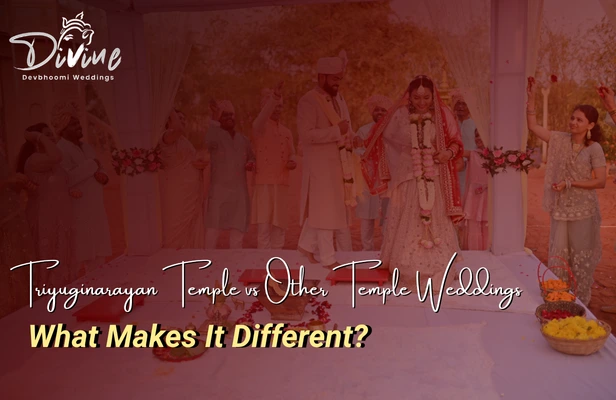
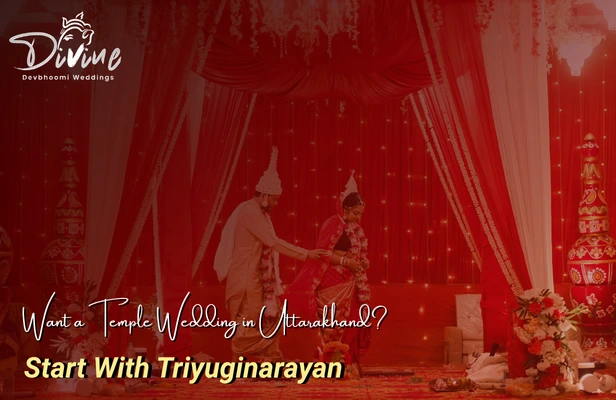
A Triyuginarayan Temple Wedding typically follows the structure of a traditional Vedic Hindu wedding, performed in the presence of the temple's sacred fire. Common rituals include Ganesh Puja to seek blessings before the ceremony, a Vedic Puja invoking the presiding deities, and a Havan performed around the sacred fire.
The couple then proceeds through Kanyadaan, where the bride is formally given away, followed by the Pheras, in which the couple takes seven sacred rounds around the fire while making marital vows. Sindoor and Mangalsutra ceremonies typically follow, marking the union in accordance with Hindu tradition, and the ceremony usually concludes with priest blessings and blessings from family elders.
It's worth noting that exact rituals can vary according to family tradition, priest guidance, the couple's preferred wedding format, and regional religious customs, so couples should discuss the specific sequence of rituals with their chosen priest well in advance.
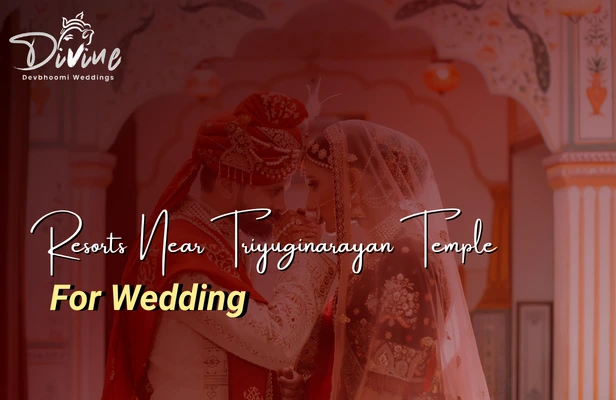
Since Triyuginarayan itself is a small village, most wedding parties stay in nearby towns and villages along the Sonprayag–Gaurikund stretch or in Guptkashi, and travel to the temple for the ceremony. Options typically include hotels, guest houses, resorts, homestays, group accommodation for larger families, and occasionally government or tourism accommodation where available, along with more premium stays in nearby larger towns.
Couples should evaluate accommodation based on the following factors:
The nearest major airport connecting to this region is generally used for onward road travel toward Rudraprayag district, with the remaining distance covered by car or hired vehicle. Couples should confirm current flight connectivity and book airport transfers well in advance.
The nearest practical railway stations lie in the plains, with the journey to Triyuginarayan completed by road afterward. As with air travel, it's best to confirm current train schedules and arrange reliable onward transport for guests.
Triyuginarayan is connected by mountain roads from several major points in the region, including:
Exact distances and travel times vary with road conditions and season, so couples should verify current figures with a local transport provider or wedding planner closer to the wedding date rather than relying on older estimates.
Many couples plan additional functions around the main ceremony, such as Haldi, Mehendi, Sangeet, a welcome dinner, a family puja, a cultural evening, or a Pahadi-themed celebration that showcases local Uttarakhand traditions.
Because temple premises are primarily meant for religious ceremonies, larger functions are often more practical at nearby hotels or resorts, or at suitable event spaces close to the village, depending on the space available and applicable local permissions. It's best to plan these functions with an accommodation provider who has hosted wedding groups before.
Read More - Kedarnath and Triyuginarayan Wedding Tour

September's post-monsoon landscape offers photographers a genuinely different palette compared to the dry, dusty look of peak wedding season. Ideas worth discussing with your photography team include temple architecture shots, traditional attire portraits, couple portraits against the Himalayan backdrop, family photographs, ritual photography during key ceremonies, candid moments through the day, natural landscape shots, rain-inspired portraits when weather allows, and golden-hour photography during clear evening spells.
Because rules around photography and videography inside temple premises can change, couples should confirm the latest photography and videography permissions before the wedding ceremony rather than assuming unrestricted access.
Himalayan destination weddings involve a level of logistical complexity that's easy to underestimate from outside the region. A wedding planner based in Uttarakhand brings established relationships with mountain transportation providers, local vendors, and accommodation properties, along with direct experience coordinating with temple authorities.
Local expertise is particularly valuable for weather monitoring, guest management across multiple properties, décor setup in a mountain environment, catering logistics in a remote village, photography planning around unpredictable conditions, and emergency planning if road or weather issues arise. For families unfamiliar with the region, this local knowledge often makes the difference between a stressful trip and a smooth celebration.
Devbhoomi Weddings works specifically within Uttarakhand's destination wedding landscape and can potentially assist couples with end-to-end wedding planning, including temple coordination, accommodation management, guest hospitality, transportation, décor, catering coordination, photography, priest coordination, and local vendor management.
For a September wedding in particular, having a planning partner who actively monitors weather and road conditions and adjusts arrangements accordingly can be especially valuable, along with reliable on-ground execution on the wedding day itself. This kind of local support tends to matter most for couples and NRI families who aren't familiar with Himalayan wedding logistics and want a knowledgeable partner managing the details on the ground.
A Triyuginarayan Wedding in September can offer a rare combination of spiritual significance, traditional Hindu rituals, Himalayan beauty, and an intimate celebration that leaves a lasting impression on both the couple and their families. It's a setting where the ceremony itself becomes part of a meaningful family experience, not just a backdrop for photographs.
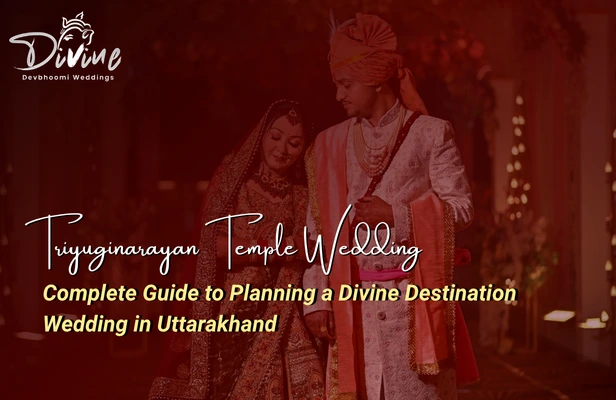
At the same time, a September wedding demands particular attention to weather, transportation, accommodation, temple coordination, and guest comfort, along with sensible backup arrangements for anything the mountains might throw at you on the day. Choosing an experienced Wedding Planner in Uttarakhand can make this entire process considerably smoother, especially for couples and families traveling from outside the state or from overseas who may not be familiar with Himalayan wedding logistics. With the right preparation, a Triyuginarayan Wedding can be both a deeply spiritual occasion and a genuinely well-run celebration.
1. Is September a good time for a Triyuginarayan Wedding?
September can work well thanks to lush scenery and thinner crowds, but occasional rainfall and shifting mountain weather mean couples should plan road travel, accommodation, and outdoor events with a flexible backup plan rather than assuming consistently clear conditions.
2. What is the weather like in Triyuginarayan in September?
Expect mild, pleasant days with cooler evenings and a continued chance of rain as the monsoon retreats. Temperatures can vary noticeably between daytime and night, so packing layers is important.
3. How much does a Triyuginarayan Temple Wedding cost?
There's no fixed cost — total spending depends on guest count, accommodation category, catering, décor, photography, transportation, and planner services. Couples should request an itemized quote rather than relying on generic online figures.
4. How can I book a Triyuginarayan Temple Wedding?
Booking generally involves contacting temple authorities or a local wedding planner to confirm available dates, ceremony timings, priest arrangements, and any required permissions, well ahead of the intended wedding date.
5. What rituals are performed at Triyuginarayan Temple?
Ceremonies typically include Ganesh Puja, a Vedic Puja, Havan around the sacred fire, Kanyadaan, the Pheras, and Sindoor and Mangalsutra rituals, followed by blessings from the priest and family, though exact sequences vary by tradition.
6. How far is Triyuginarayan from Rishikesh, Haridwar and Dehradun?
Triyuginarayan is a multi-hour mountain drive from all three cities, with exact distance and travel time depending on road conditions and season. Couples should confirm current figures with a local transport provider closer to the wedding date.
7. Can NRI couples get married at Triyuginarayan Temple?
NRI couples can typically have a religious ceremony performed at the temple, but this is separate from legal marriage registration, which follows its own documentation process and should be handled independently through the relevant authorities.
8. Can Haldi, Mehendi and Sangeet be organized near Triyuginarayan?
Yes, these functions can often be arranged at nearby accommodation properties or event spaces close to the village, subject to venue availability and any applicable local permissions.
9. Is photography allowed during a Triyuginarayan wedding?
Photography is generally permitted, but couples should confirm the latest photography and videography rules with temple authorities before the ceremony, since policies can change.
10. Where can guests stay for a Triyuginarayan Wedding?
Guests typically stay in hotels, guesthouses, resorts, or homestays in nearby towns along the route, with group accommodation options available for larger wedding parties.
11. What should guests pack for a September wedding?
Comfortable walking shoes, rain protection, light layers plus warm clothing for the evening, waterproof bags, and personal medicines are all worth including in travel essentials.
12. Can I customize a Triyuginarayan Wedding Package?
Most planners allow customization around guest count, accommodation category, décor style, catering menu, and additional services, though exact flexibility depends on the individual wedding planner.